
By Simon Gedz, Local Realtor
Charles Rutenberg Realty · 30+ years of South Florida market expertise · Published November 1, 2026
Originally published: October 2024
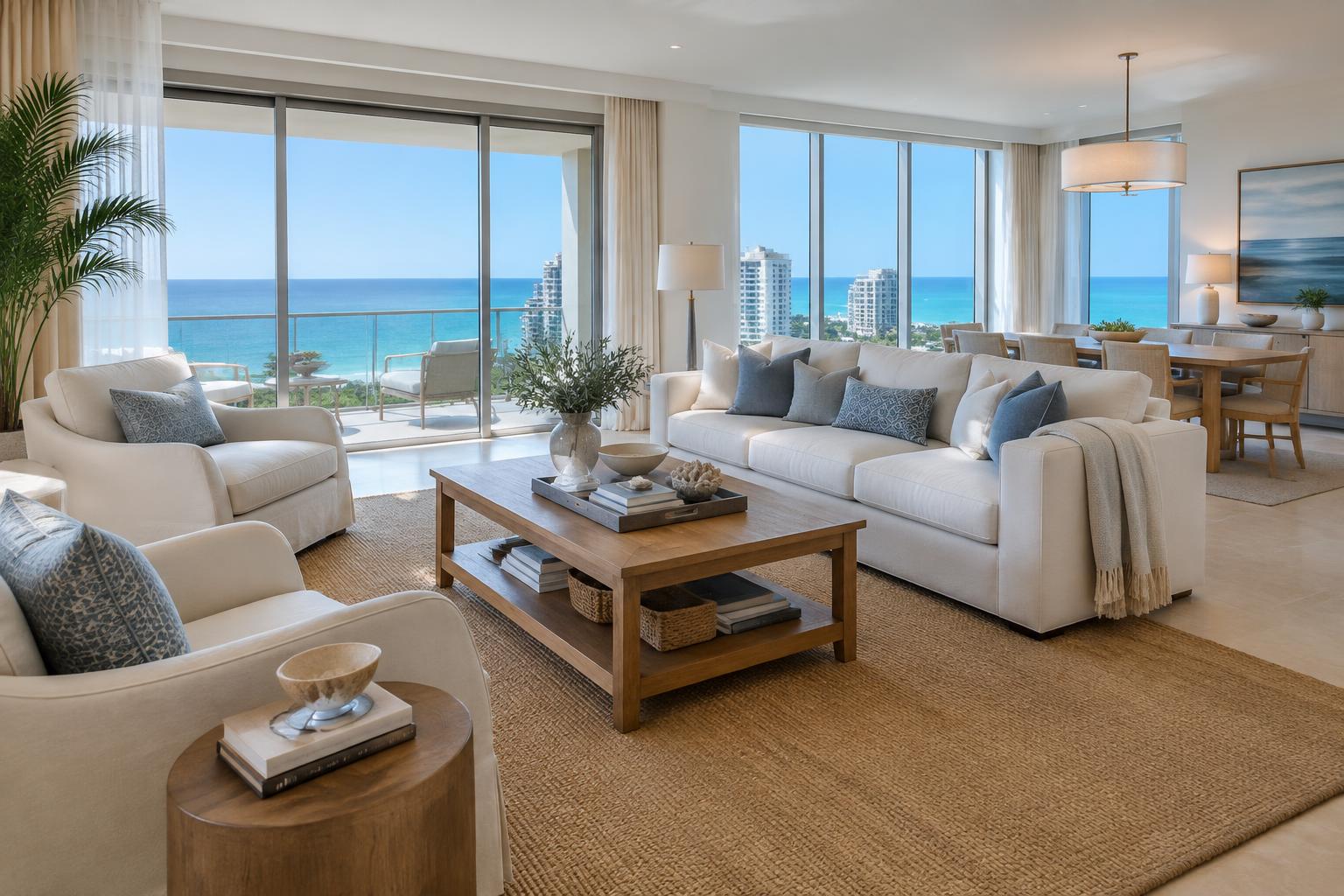
A furnished property can sound perfect when you are browsing listings from out of state. You click through the photos, envision your morning coffee on the lanai, and think, "Buy it. Bring a suitcase. Start enjoying Florida."
I have been a Realtor here since 1995, and I have seen many buyers fall into the trap of letting the staged decor dictate their purchase decision. While the "turnkey" allure is powerful, especially for those looking to skip the furniture store logistics, you need to look past the velvet sofas and staged dining sets to ensure the asset itself is sound.
As of November 2026 on our site, we are seeing 2812 active homes in the Fort Lauderdale area with a median list price of $750,000. If you are specifically looking at the water, we have 1182 waterfront properties currently listed, with a median waterfront price of $1,050,000. These are significant investments. Whether the seller throws in a teak bedroom set or a flat-screen TV should not be the deciding factor in whether you drop seven figures on a property.
Why Furnished Can Work
For many of my clients, a furnished property is primarily about time-saving. If you are buying a second home in a neighborhood like Coral Ridge or Las Olas, you likely want to be on the water or near the beach as soon as the keys are in your hand. Managing a move-in process from out of state can be a logistical headache. When you buy a home fully furnished, you bypass the need for weeks of measuring rooms, scheduling freight deliveries, and dealing with assembly teams. It allows you to transition immediately into "vacation mode."
Why Unfurnished Can Be Better
On the flip side, you may want to create your own style from the beginning. Many of the homes I show in our Fort Lauderdale city search have distinct architectural features—mid-century modern lines, Mediterranean revival arches, or sleek contemporary waterfront designs. If you inherit a seller’s heavy, dark, or mismatched furniture, you might find yourself stuck with a layout that doesn't actually suit your lifestyle or aesthetic. Furthermore, if you plan to rent the property out seasonally when you aren't here, you will want durable, high-quality pieces that can withstand Florida humidity and guest turnover, not the delicate antiques the previous owner left behind.
Evaluate the Furniture Separately
When we are out touring properties, I always tell my clients to imagine the house entirely empty. Don’t let attractive furniture distract you from the actual real estate. If the seller is including the furniture in the price, you are likely paying a premium for it, even if they claim it is "free."
In Florida, personal property is rarely part of the mortgage. If you and the seller agree to include furniture, we must handle that as a separate bill of sale outside of the real estate contract. It is critical to ensure that these items are not being financed through the mortgage, as your lender will generally not allow personal property to be valued within the loan amount. If the house feels "cramped" or "dark" because of the current furniture, take a second look. Does the floor plan work for you without those pieces? If not, no amount of staging can fix a poor layout.
Understand What’s Included: The Checklist
If furnishings are part of the deal, we need to be incredibly specific. A verbal agreement is worth nothing in real estate. We need to attach an inventory list to the contract. I have seen disputes arise over everything from sub-zero refrigerators to patio light fixtures.
Before you commit, verify the following:
- Condition: Are you inheriting worn-out mattresses or sun-bleached patio cushions?
- Exclusions: Does the "furnished" price include the artwork? The electronics? The kitchenware?
- Age: Verify how old the appliances and major furniture pieces are. If they are five years old, you are paying for used goods at inflated prices.
Consider Replacement Costs vs. Convenience
Would you actually choose these pieces yourself? If you are moving into a $1,050,000 waterfront estate—which you can explore via our waterfront homes list—you want the interior to reflect the caliber of the property. Often, sellers leave behind furniture that was simply the most convenient thing for them to abandon.
Convenience has value, certainly. But don't overpay for furniture you plan to replace within six months. If the asking price is $750,000, and the home is "furnished," you should ask yourself if that price is $750,000 for the house plus a fair market value for the used contents, or if the seller has inflated the home price to account for the furniture.
Due Diligence in the Florida Market
Buying in South Florida requires more than just picking a home you like. You need to investigate the neighborhood nuances. If you are specifically interested in the boating lifestyle, check out our Dock & Draft Match tool to ensure the property actually fits your vessel. Before closing, make sure you understand the nuances of local waterfront neighborhoods, as the cost of insurance and maintenance can vary wildly from one canal to the next.
Also, be mindful of tax implications. If you are relocating from a state like New York, you should review our Florida Homestead Exemption guide to understand how your property taxes will settle once you establish residency. It is a significant financial benefit, but it requires specific timing and paperwork.
Final Advice: Treat the Transaction as a Professional Deal
If the seller is motivated to sell the furniture, it is usually because they don't want to pay for shipping or storage. Use this to your advantage. If you find a home that is perfect but the furniture is not to your taste, don't be afraid to ask the seller to remove it entirely. Often, they will be happy to hire a removal service, which saves you the trouble of disposing of their items later.
Never rush the due diligence process. A home is a major asset, and whether it comes with a leather sofa or a bare floor, the structural integrity, the seawall condition, the roof age, and the neighborhood appreciation potential are what really matter. If you are looking to sell your current property or are just starting your search, make sure you look through our client reviews to see how we handle these delicate negotiations for our buyers.
Ultimately, a second home should be a source of relaxation, not a burden of unwanted inventory. Whether you start with a blank slate or a turnkey setup, ensure the decision serves your long-term goals for your investment in South Florida.
Next step If you have questions about specific waterfront neighborhoods or want to view current inventory in the Fort Lauderdale area, call me directly at 954-562-1798. We can discuss your priorities and set up a custom search to ensure you are seeing properties that truly match your lifestyle needs.