
By Simon Gedz, Local Realtor
Charles Rutenberg Realty · 30+ years of South Florida market expertise · Published October 19, 2026
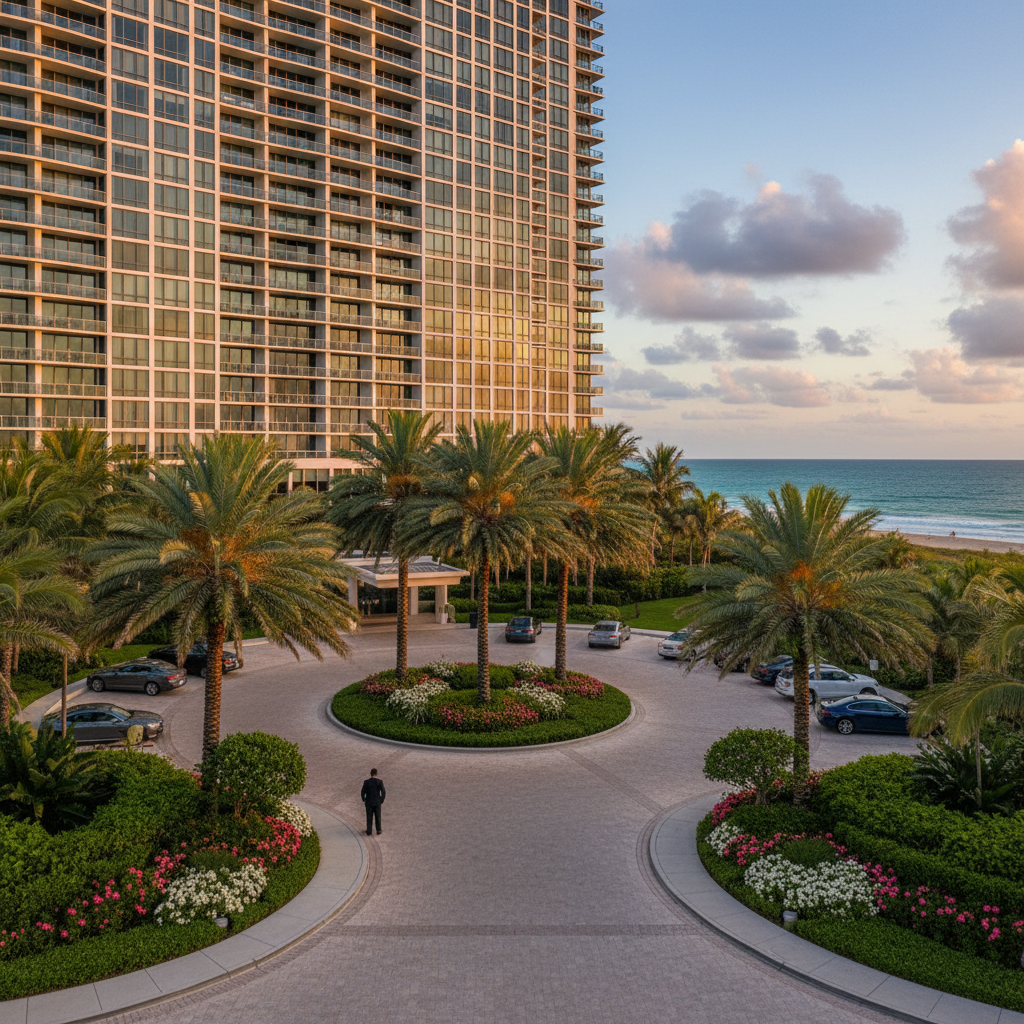
Hillsboro Beach sits on a narrow barrier island between the Atlantic Ocean and the Intracoastal Waterway along Highway A1A. Living here means having saltwater on both sides of your home. When my buyers look at condos along Hillsboro Mile, the conversation starts with the view and immediately shifts to the monthly statement. Having hillsboro beach hoa fees explained early in your search saves you from unexpected costs after your inspection contingency ends. Dues on the Mile range from around $700 a month in small low-rise complexes to well over $3,000 a month in high-rise oceanfront towers. In the current market, active listings range from $600,000 to over $14 million, with a median list price of $999,000 and a median price per square foot of $607. At those valuations, association fees form a substantial part of your total monthly commitment.
Hillsboro Beach HOA Fees Explained: Master Insurance and Building Operations
The bulk of monthly dues on the barrier island pays for master property insurance and basic operational overhead. Because oceanfront buildings sit directly in the path of tropical weather and constant salt spray, physical maintenance costs run higher here than anywhere inland.
Does HOA Include Insurance for Your Individual Unit?
Buyers constantly ask me, does hoa include insurance that covers everything inside the front door? The simple answer is no.
The association's master insurance policy covers the physical building structure, common area roofs, outer walls, elevators, lobbies, and shared amenities. It also carries liability coverage for common grounds and windstorm protection for the structural shell. It does not cover your interior drywall, flooring, kitchen cabinets, appliances, or personal property.
You must purchase your own HO-6 condo unit owner policy to cover everything from the drywall inward. I advise buyers to get a written HO-6 quote during their inspection period because interior insurance rates across Broward County have shifted over the last two years.
Utilities, Maintenance, and On-Site Staffing
Operating budgets on Hillsboro Mile cover basic utilities that single-family home buyers usually pay separately. Monthly dues routinely include:
- Water, sewer, and trash services
- High-speed internet and basic or premium cable television packages
- Pool maintenance, elevator service contracts, and pest control
- Security services, including manned guard gates and 24-hour door staff in larger towers
- On-site management, janitorial staff, and groundskeeping teams
Maintaining landscaping, oceanfront pool decks, underground parking garages, and private boat docks against salt air corrosion requires constant labor. That ongoing work is built directly into the annual operating budget.
Comparing Dues Across Property Types on Hillsboro Mile
The style of property you choose directly dictates your monthly dues and your exposure to shared repair bills. A single-family home in a small HOA functions differently than a 10-story oceanfront condo built in the 1970s.
| Property Type | Monthly Dues Range | Typical Inclusions | Major Shared Building Expenses |
|---|---|---|---|
| Single-Family Estate (HOA) | $300 – $1,200 | Gated security, common street lighting, entrance maintenance | Private road resurfacing, gate repairs, perimeter security |
| Low-Rise Condo / Co-op (2–3 Stories) | $700 – $1,600 | Master insurance, water, sewer, cable, pool service, lawn care | Roof replacement, seawall maintenance, surface parking, paint |
| Oceanfront High-Rise (4+ Stories) | $1,400 – $3,500+ | Master structural/windstorm insurance, 24/7 door staff, oceanfront pool, water, cable, full reserves | Concrete restoration, elevator modernization, garage structural work, seawalls |
If you want to compare how these fees fit into your target budget, you can use our monthly payment search tool to plug in live dues alongside estimated taxes and interest rates.
Hillsboro Beach HOA Fees Explained: Reserves, Inspections, and Assessments
The financial mechanics of Florida coastal condos underwent a fundamental shift following the passage of Senate Bill 4-D and Senate Bill 154. State law no longer permits older high-rise associations to skip reserve funding for major structural elements.
The Impact of Milestone Inspection Florida Rules
Under updated state statutes, buildings three stories or higher that reach 25 to 30 years of age must complete a milestone inspection florida requirement. A licensed structural engineer or architect must physically inspect the primary structural components of the building.
In coastal environments like Hillsboro Beach, salt air gets into concrete structures over decades, rusting internal steel rebar and causing concrete spalling. If an engineer identifies structural degradation, the association is legally required to complete repairs promptly. These engineering requirements have driven up overall broward county condo fees as boards adjust their budgets to fix long-standing structural issues.
Structural Integrity Reserve Studies and Assessments
In tandem with structural inspections, associations must complete a structural integrity reserve study every ten years. This mandatory study evaluates specific building elements:
- Roofs and load-bearing walls
- Fire protection systems and plumbing
- Electrical systems and waterproof coatings
- Seawalls, balconies, and foundation structures
In years past, condo boards often voted to waive reserve funding to keep monthly dues artificially low. That practice is prohibited for structural components. Boards must fully fund reserves based on the remaining useful life of each structural item.
When an older building has neglected its reserves for decades, the gap must be made up immediately. This situation triggers a special assessment condo notice, where owners receive a bill for their share of un-funded repairs. Depending on the size of the project, individual assessments on Hillsboro Mile can range from $20,000 to well over $100,000 per unit, payable either in a lump sum or through temporary monthly fee increases.
Reading Budget Documents and Estoppels Before Closing
Your contract inspection period is the only window you have to analyze the association's balance sheet. Never buy a coastal condo without reviewing the full financial package.
What the Estoppel Letter Tells You
The estoppel letter is an official document provided by the management company during escrow. It outlines the current financial status of the specific unit you are buying. It shows:
- Exact monthly association dues and payment schedules
- Any past-due balances or unpaid fees owed by the current owner
- Approved special assessments and remaining payment balances
- Any pending litigation involving the association
Your purchase contract should clearly define who pays for pending or approved assessments. If an assessment was voted on before closing, I negotiate for the seller to satisfy that balance out of their proceeds at escrow.
Balance Sheet Red Flags
When inspecting financial disclosures, ask for the last two years of board meeting minutes, the current year's budget, the reserve schedule, and the latest engineering reports. Look out for these specific red flags:
- Underfunded Reserves: Non-structural reserve accounts funded below 40 percent without a written plan to build cash reserves.
- High Delinquencies: More than 5 percent of unit owners behind on their monthly dues payments.
- Unaddressed Engineering Notes: Meeting minutes that mention concrete repairs, balcony cracks, or seawall settling without an approved project budget attached.
- Excessive Insurance Deductibles: Master insurance policies carrying windstorm deductibles that exceed the total cash available in the association's reserve accounts.
You can browse active Hillsboro Beach waterfront listings to look at current listing descriptions and posted fee structures, or check our Florida property tax rates guide to see how municipal taxes layer on top of your association dues.
Calculating Your Total Monthly Holding Cost
Monthly association dues are only one component of your holding cost. To see the true expense of owning a property on the barrier island, you need to look at the entire financial picture together:
- Mortgage Principal and Interest: Dependent on your down payment and loan terms.
- Property Taxes: Assessed by Broward County based on the purchase price and local tax rates.
- HOA / Condo Dues: Covering master insurance, utilities, amenities, and reserves.
- HO-6 Interior Insurance: Covering personal contents, interior walls, and personal liability.
To figure out how these elements come together for a specific property, try out our monthly payment search tool. It factors in HOA fees, taxes, and current interest rates so you can evaluate properties based on total monthly outlay rather than just purchase price.
The Bottom Line
A lower monthly association fee on an oceanfront building is not automatically a bargain. In many cases, artificially low dues indicate that a board deferred maintenance or skipped reserve funding, leaving current buyers exposed to sudden structural assessments down the road. High dues in a well-run building, on the other hand, often reflect fully funded reserves, modern mechanical systems, and a structural maintenance plan that protects your equity.
If you are evaluating a condo or home in Hillsboro Beach and want a clear, direct review of the building's financial health, call me at (954) 562-1798. You can also run the exact numbers for your preferred price point using our monthly payment search tool before you start setting up walk-throughs.
Frequently Asked Questions
- Does a Hillsboro Beach HOA fee include insurance for individual unit interiors?
- No. An association's master policy covers the physical building structure, common area roofs, outer walls, elevators, lobbies, and common grounds liability. It does not cover interior drywall, flooring, cabinets, appliances, or personal property. Buyers must purchase a separate HO-6 condo unit owner policy to cover everything inside the unit from the drywall inward.
- What is a Florida milestone inspection and how does it affect condo fees?
- Under Florida law, buildings three stories or higher that reach 25 to 30 years of age must undergo a milestone inspection by a licensed engineer or architect. If structural degradation from salt air corrosion is found, the association must complete repairs promptly, which frequently drives up monthly condo fees to fund necessary structural work.
- What triggers a special assessment for an oceanfront condo in Hillsboro Beach?
- Special assessments occur when older condo buildings have underfunded structural reserves and must make up financial deficits quickly to fund mandatory structural repairs, roof replacements, or seawall fixes. Unfunded structural repairs identified during engineering inspections or reserve studies result in special assessment notices sent to individual owners.
- What items are evaluated in a structural integrity reserve study?
- State law mandates a structural integrity reserve study every ten years for specific building elements. This mandatory evaluation assesses roofs, load-bearing walls, fire protection systems, plumbing, electrical systems, waterproof coatings, seawalls, balconies, and foundation structures. Associations must fully fund reserves for these items based on their remaining useful life without waiving contributions.
