
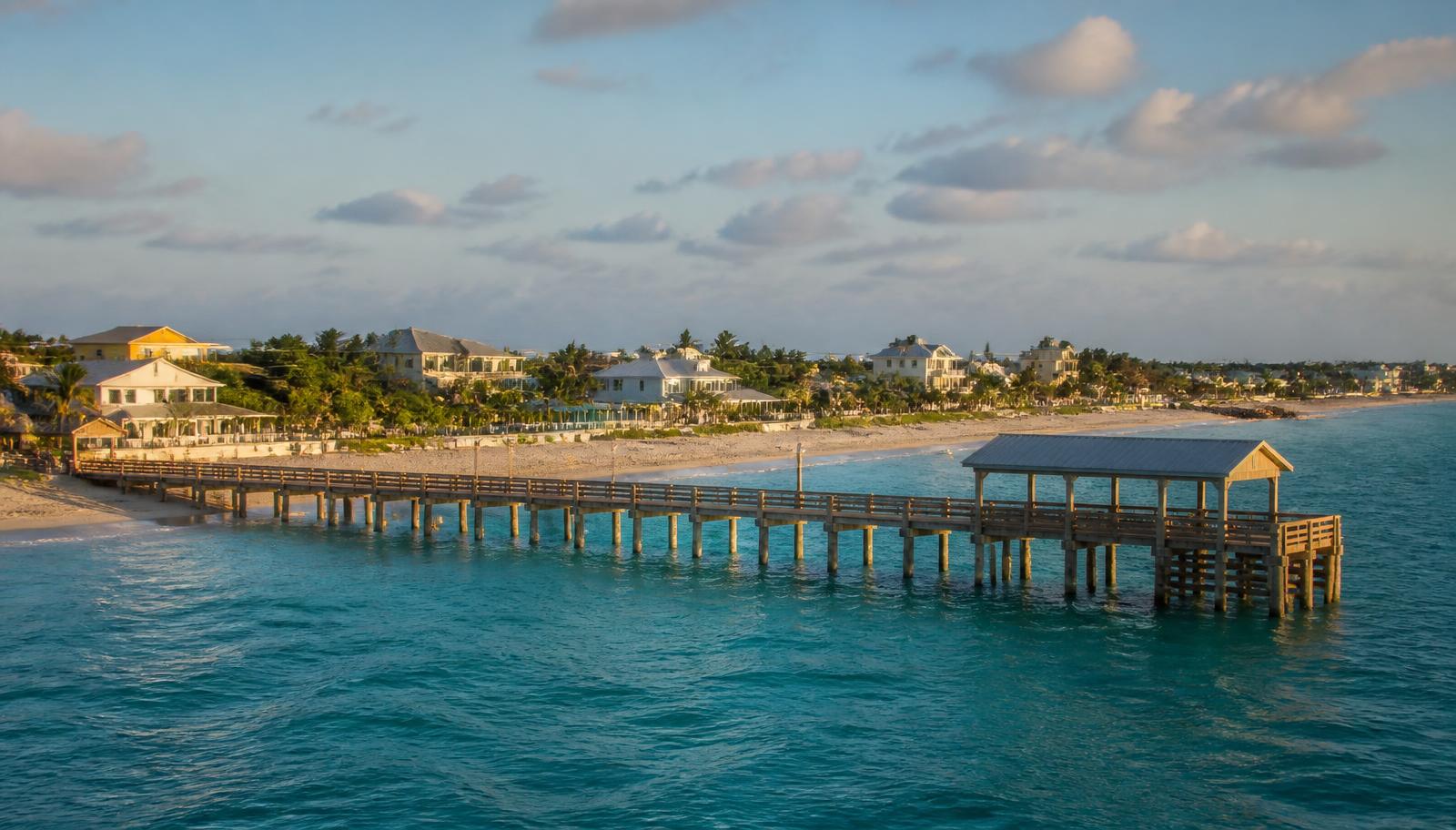
Lauderdale-by-the-Sea is a one-square-mile town wedged between Fort Lauderdale's Galt Ocean Mile and Pompano Beach, and it is the closest thing left in Broward County to an Old Florida beach village. No towers over the sand, no highway between you and the water, and a walkable core of restaurants and shops at Commercial Boulevard and El Mar Drive that people actually walk to.
I've been selling this coastline since 1995, and this town is the one buyers keep describing as "what I thought Florida was going to be." Here's the honest version — what's there, what it costs, and where the surprises are.
Where It Is and How It's Laid Out
- The village core: Commercial Boulevard meets the beach at Anglin's Fishing Pier — that intersection is the town square, with restaurants, ice cream, dive shops and a farmers market.
- El Mar Drive: the low-rise oceanfront street running parallel to the sand, where most of the boutique condo buildings sit.
- West of A1A: quieter single-family blocks, plus canal and Intracoastal-front homes with dockage.
- ZIP code: mail here uses 33308, shared with parts of Fort Lauderdale — one reason online search results mix the two towns together.
Fort Lauderdale-Hollywood International is about 25 minutes south; the Galt Ocean Mile towers and their shopping are five minutes down A1A.
The Property Types
Boutique oceanfront and near-ocean condos
This is the bulk of the market. Buildings are typically two to eight stories, often under 50 units, many built between the 1960s and the 1990s and since renovated. Compared with a Galt Ocean Mile tower you trade concierge desks and gyms for a small lobby, a pool and a short walk to the sand.
Single-family homes
Mostly mid-century ranches and coastal-contemporary rebuilds on modest lots west of A1A. Lots are smaller than Fort Lauderdale's east-side neighborhoods, which keeps entry pricing reachable, and rebuilds have been steady for a decade.
Waterfront homes with dockage
A limited number of canal and Intracoastal-front homes offer private dockage with access out the Hillsboro Inlet to the north. Verify bridge clearance on your specific route before assuming a big boat fits.
The Lifestyle Buyers Actually Come For
- Shore diving. A living coral reef sits roughly 100 yards off the beach — you can swim to it. That is unusual anywhere in the continental U.S., and it defines the town's identity.
- Walkability. Most owners here can reach dinner, the pier and the beach on foot. Plenty of residents keep one car instead of two.
- Low-rise scale. Strict height limits kept the skyline down. Sun reaches the sand all afternoon, and no new tower is going to change your view.
- Small-town rhythm. Town events, a farmers market and a police department that knows the streets. Quiet is the product.
Top Condo Buildings in Lauderdale-by-the-Sea
There is no single "best building" here — the right one depends on how close to the sand you want to be, how healthy the reserves are, and whether the association allows the rental term you need. These are the addresses buyers ask about most:
- Sea Ranch Club (A1A, north end). The largest complex in the immediate area — multiple towers, direct ocean, gated, pool and tennis. Best fit if you want amenities closer to a Galt Ocean Mile tower while keeping the village walk.
- Ocean Colony / Ocean Terrace low-rises (El Mar Drive). Small, two-to-four story buildings a few steps from the reef. Quiet, few units, and the truest expression of the town's low-rise character; expect modest amenities.
- Villas by the Sea (Ocean Drive). Resort-style condo-hotel product with short-term rental flexibility — a common pick for part-time owners who want income between stays. Confirm the rental program's current terms in writing.
- Carlton Terrace and the Commercial Boulevard mid-rises. Near-ocean units a block or two off the sand at meaningfully lower entry prices, still fully walkable to the pier and restaurants.
- Palm Club / Bel Harbour-style courtyard buildings (west of A1A). The value tier — 1960s–70s courtyard condos, often renovated inside, typically the lowest HOA dues in town.
In every one of these, the deciding documents are the same three: the milestone inspection, the structural reserve study, and the last two years of board minutes. A building with a completed inspection and funded reserves is worth paying more for than a cheaper unit facing an unfunded assessment.
2026 Market Trends
The town's two segments are moving in opposite directions. Older condos have softened — insurance renewals and reserve funding pushed monthly carrying costs up, inventory sits longer, and sellers who price to 2022 comps are the ones still on the market. Buyers with cash have real negotiating room in this tier for the first time in years.
Single-family and renovated direct-ocean units have held. Supply is structurally capped — the town is roughly one square mile with height limits — so well-prepared homes near the sand still trade close to ask. Days on market run longer than the 2021 frenzy but pricing has not broken.
Practical read for 2026: negotiate hard on any condo whose association has not completed its milestone inspection, and move quickly on renovated low-rise units in funded buildings, because that specific inventory is thin and does not stay listed.
What It Costs
- Older non-oceanfront condos: roughly $275K–$550K, depending on building age, reserves and how far the walk is.
- Renovated and direct-ocean condos: generally $700K–$1.5M, with the best low-floor direct-ocean units in small buildings at the top of that band.
- Single-family homes: typically $900K–$3M for dry-lot homes, driven by rebuild quality and distance to the sand.
- Canal and Intracoastal homes with dockage: $2M and up, with frontage width and clearance doing most of the pricing.
Carrying costs matter more than sticker price here. Insurance and condo reserves are the two line items that decide deals in a town of older beachfront buildings. Florida's post-2021 milestone-inspection and structural-reserve rules have reset budgets across the coast, and small buildings feel assessments harder because there are fewer owners to spread them across.
What to Verify Before You Offer
- Reserve study and milestone inspection on any condo built before 2000 — ask for the report, the funding plan, and any assessment voted or pending.
- Rental rules. Minimum lease terms vary widely by building; if income matters to you, read the declaration, not the listing remarks.
- Real insurance quotes for wind and flood, bound to the actual roof age and opening protection — not an estimate from a comparable.
- Dock depth and bridge clearance on waterfront homes, measured at mean low water, plus seawall cap age.
- Open permits. Older beach-town homes accumulate them, and they surface late in escrow.
How the Market Behaves
Supply is structurally capped — the town is a square mile and can't build up — so well-run buildings and updated homes hold value through soft stretches better than inland comparables. What has softened is the opposite end: older buildings with thin reserves sit, and buyers now price a looming assessment into the offer directly. Turn-key, insurable and well-funded is what the market rewards here.
If you're weighing this against Fort Lauderdale's waterfront neighborhoods, our waterfront neighborhood comparison guide puts Rio Vista, Seven Isles and Las Olas Isles side by side, and the Galt Ocean Mile guide covers the high-rise alternative five minutes south.
Who Lauderdale-by-the-Sea Suits
It fits the buyer who wants to walk to the beach and to dinner, prefers a small building to a full-service tower, and values a permanently low skyline over amenities. It's the wrong fit if you want a concierge, a gym and valet, a large lot, or a deep-water estate address — those live in Galt Ocean Mile and Fort Lauderdale's isles, respectively.
The Honest Read
Lauderdale-by-the-Sea sells a lifestyle that can't be rebuilt somewhere else, and the height limits mean it stays that way. The risk isn't the town — it's the specific building. Pull the reserve study, get a bound insurance quote, and confirm the rental rules before you fall for the view. Do that and this is one of the most durable small-dollar beach addresses in South Florida.
Lauderdale-by-the-Sea Real Estate — Quick Answers
What is Lauderdale-by-the-Sea known for?+
Lauderdale-by-the-Sea is a small Broward County beach town known for its Old Florida, low-rise character, a walkable village at Commercial Boulevard and El Mar Drive, Anglin's Fishing Pier, and one of the only shore-accessible coral reef dive sites in the country, roughly 100 yards off the sand.
What do homes cost in Lauderdale-by-the-Sea?+
Condominiums generally run from the high $200Ks for older non-oceanfront units to about $1.5M for renovated direct-ocean residences. Single-family homes typically trade from roughly $900K to $3M, with Intracoastal and canal-front homes with dockage reaching $3M and above.
Is Lauderdale-by-the-Sea walkable?+
Yes. It is one of the few genuinely walkable beach towns in South Florida. Most of the town is within a short walk of the beach, the pier, and the restaurants and shops along Commercial Boulevard and El Mar Drive, which is why many buyers here keep only one car.
Why are the buildings in Lauderdale-by-the-Sea so short?+
The town has long enforced strict height limits, so its skyline stayed low-rise while neighboring Galt Ocean Mile and Pompano Beach built towers. That policy is the main reason the village feels the way it does, and it permanently caps the supply of oceanfront units.