
By Simon Gedz, Local Realtor
Charles Rutenberg Realty · 30+ years of South Florida market expertise · Published October 7, 2026
Originally published on the S.G. Trust Team blog.
Buying in an unfamiliar market creates opportunities to make unfamiliar mistakes. Since 1995, I have helped countless buyers transition from New York to South Florida, and I have learned that the rhythm of real estate down here is fundamentally different from the fast-paced, vertical lifestyle of the Northeast. When you cross the state line, you aren’t just changing your tax bracket; you are changing your entire operational environment.
Here are seven mistakes I see newcomers make and how to avoid them.
1. Choosing the House Before the Neighborhood
In New York, proximity to a subway line often dictates neighborhood value. In South Florida, it is about elevation, hurricane evacuation zones, and the specific vibe of a micro-community. A beautiful home can’t fix a location that doesn't fit your life. If you want walkability, you might look at Las Olas or parts of downtown Fort Lauderdale, but if you want privacy and acreage, you are looking at different zip codes entirely. I always advise clients to spend a day in a neighborhood without looking at a single house. Have coffee, drive through the streets at 5:00 PM to check the traffic, and walk the sidewalk. You can renovate a kitchen, but you cannot move a house to a different community. Before you fall in love with a listing, review my fort-lauderdale-waterfront-neighborhood-comparison to understand the subtle shifts in character between areas.
2. Assuming All Waterfront Is Equal
This is where many of my New York clients get tripped up. They see "waterfront" and assume it means deep water access for a 50-foot yacht. It doesn't. You need to investigate fixed bridges, draft, and sea wall integrity. As of November 2026 on our site, there are 1,134 waterfront properties in Miami with a median list price of $998,000, and 160 in Palm Beach with a median list price of $1,992,500. Those numbers hide a thousand variables. Does the property have ocean access? Is there a bridge height restriction? Before signing a contract, use my Dock & Draft Match tool to ensure the physical dimensions of the canal match the draft of your vessel. Do not take the listing agent’s word for it; verify the depth at low tide yourself.
3. Looking Only at Purchase Price
New Yorkers are used to high property taxes, but our cost structure is different. You need to account for flood insurance, windstorm coverage, and the maintenance costs associated with tropical climates—like saltwater erosion on window tracks and heavy HVAC usage. When you look at the total cost of ownership, don't forget the tax benefits. If you are relocating your primary residence, you must apply for the Florida Homestead Exemption. Failing to factor this in, or missing the application window, is a costly oversight. You can review the requirements in my Florida homestead exemption guide. Compare your current expenses against your expected ones using my breakdown of the cost of living in Fort Lauderdale.
4. Underestimating Property-Specific Due Diligence
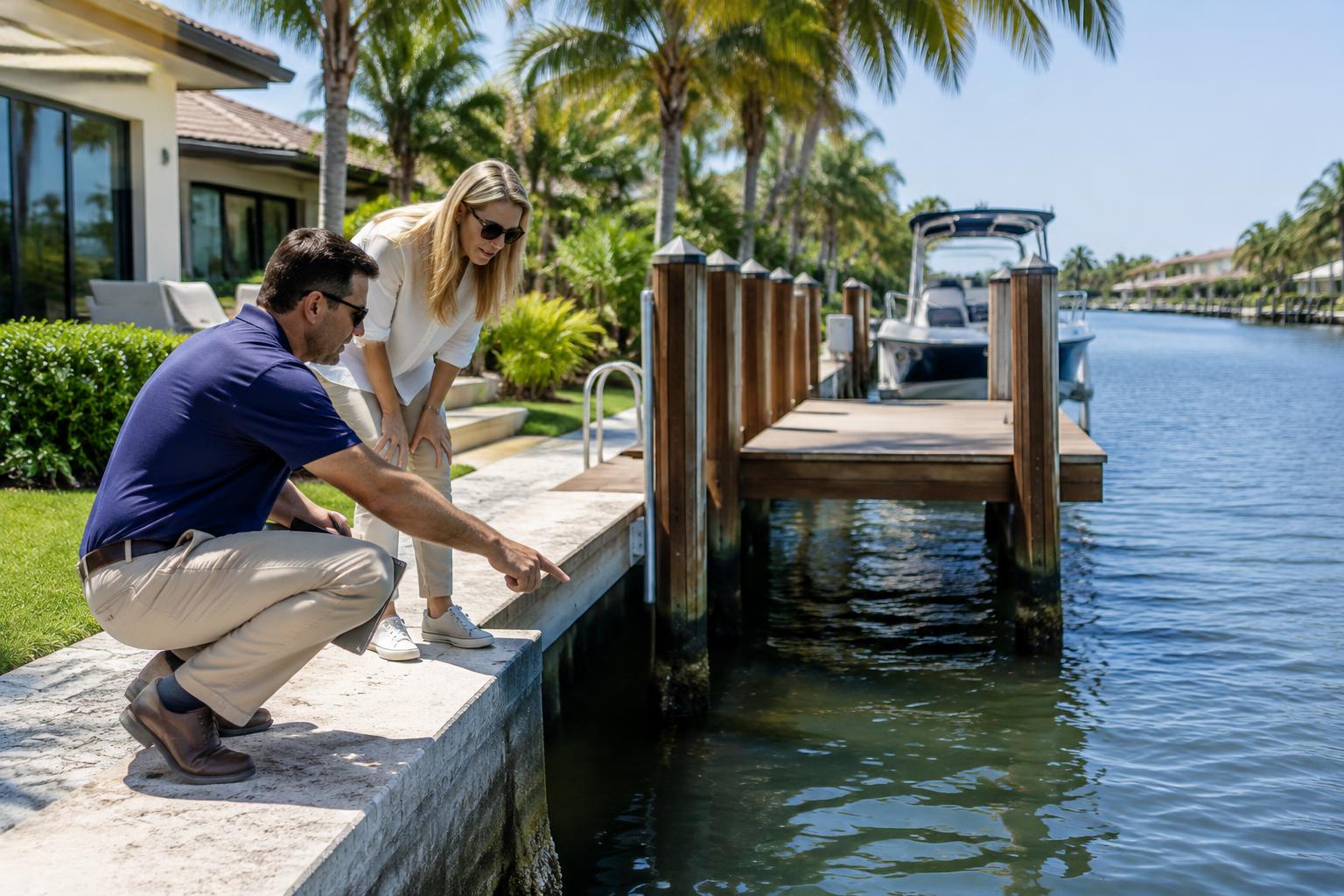
In New York, you might be used to brownstone inspections. Here, your checklist needs to include things you’ve likely never heard of: cast iron pipe inspections, seawall assessments, and roof age relative to insurance carrier requirements. If a roof is more than 15 years old, some carriers will not write a policy, which can torpedo your financing at the last minute. Always hire a licensed inspector who specializes in Florida coastal properties. If you are buying a condo, review the "milestone inspection" reports and the reserve study. Never skip these steps. If you are uncertain about a specific component of the property, ask for a specialist report—it is worth every penny to avoid an $80,000 surprise three months after closing.
5. Buying for Vacation Instead of Everyday Life
You aren't choosing a hotel. You are choosing where you are going to wake up on an ordinary Monday. If you buy a high-rise in a tourist-heavy area, you might find that the elevator wait times, noise, and short-term rentals in your building make your home feel like a transit hub. Think about where you will grocery shop, where your doctor will be, and how far the drive is to the nearest airport. You want a home that functions for a quiet Tuesday evening as well as it does for a weekend of entertaining. If you’re coming from a bustling NYC neighborhood, you might crave quiet in Florida—or you might find that you actually miss the energy. Be honest about your daily requirements.
6. Searching Too Broadly
Looking simultaneously from Miami through Palm Beach County can quickly become overwhelming. The markets vary significantly in scale and price. For example, as of November 2026 on our site, Miami has 2,572 active homes with a median list price of $869,000, while Palm Beach has 266 active homes with a median list price of $2,750,000. These are different worlds. Pick a general region first, tour it, and then refine. Start by browsing homes for sale in Fort Lauderdale or other specific municipalities to see which environment suits your specific pace. Narrowing your geography allows you to become an expert on that specific area, which makes you a much stronger negotiator.
7. Assuming You Already Know What You Want
Many relocating buyers change their priorities once they actually begin touring properties. You might think you want a classic Mediterranean home, only to realize that the upkeep on the stucco and the barrel tile roof is higher than you want to manage. You might think you want a massive estate, only to find that you prefer a smaller, manageable villa. That is normal. The purpose of the search isn't merely to find the home you originally imagined; it is to discover what actually works for you in this climate. I suggest starting by looking at waterfront homes by boat size if you are an avid boater, or viewing my recent client success stories and reviews to see what other New Yorkers ultimately decided was the right trade-off for their lifestyle.
Buying a home in Florida is a long-term play. It requires a different set of eyes than you are used to using. We approach this as a partnership; my job is to point out the things the marketing brochures hide. Whether you are ready to start looking or just need to understand the logistics of a move from the North, I recommend you start with my moving from New York to South Florida guide.
If you are ready to make a move, you need to be prepared for the specificities of this market. If you are considering selling your current property or are ready to begin your search, I am available to walk you through the process, the inspections, and the neighborhood nuances that aren't obvious at first glance.
Next step: Call me directly at 954-562-1798. We will discuss your lifestyle needs and determine which South Florida neighborhood is the right fit for your next chapter.
