
By Simon Gedz, Local Realtor
Charles Rutenberg Realty · 30+ years of South Florida market expertise · Published October 15, 2026
Originally published on the S.G. Trust Team blog.
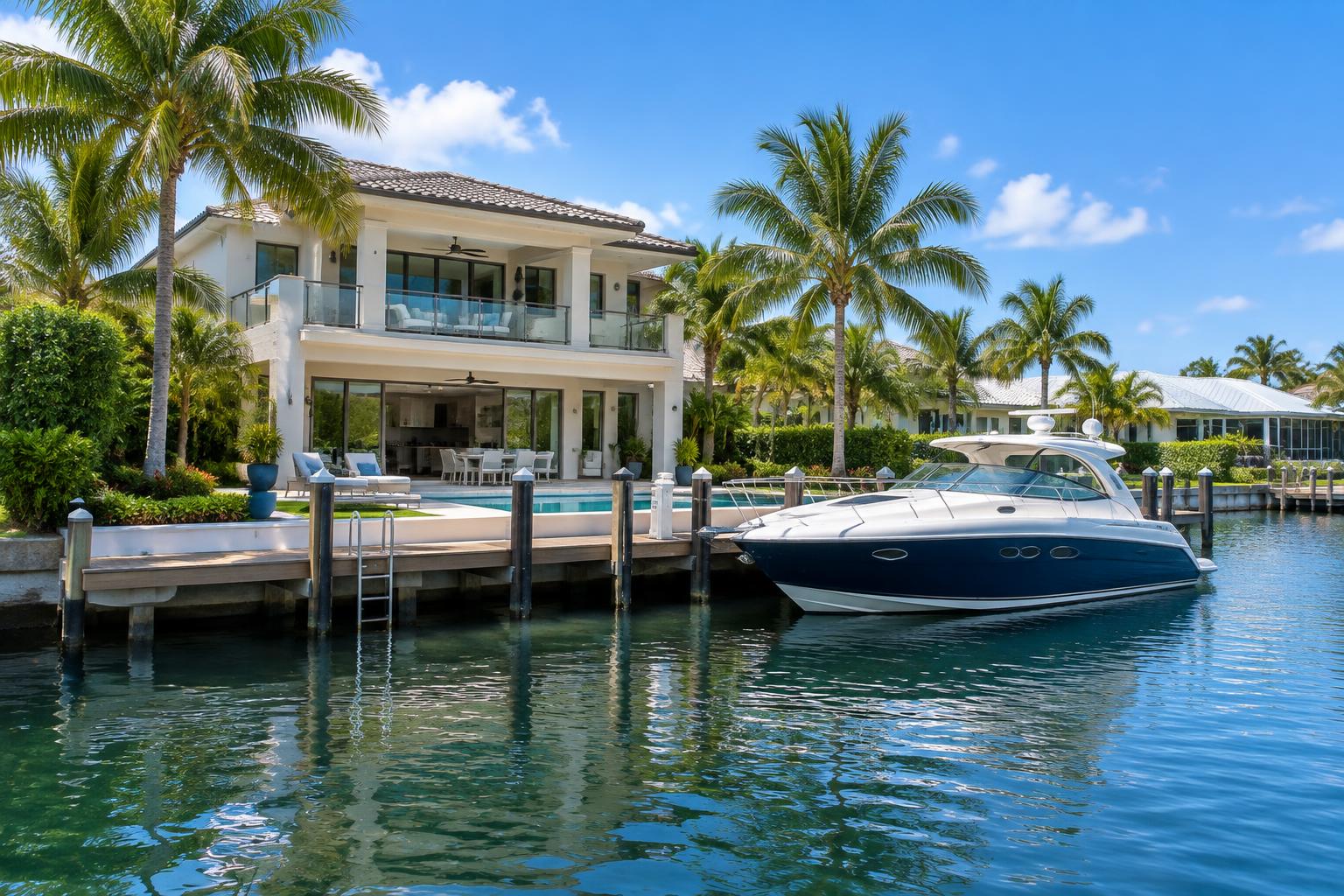
For a boater, buying a waterfront home in Fort Lauderdale is different from buying an ordinary luxury property. I have been helping clients navigate these waters since 1995, and if there is one thing I have learned, it is that you are not simply buying a house. You are buying a house, a dock, a waterfront location, and a specific route to the ocean that you intend to use regularly. A spectacular home can still be the wrong property if it does not work for your boat.
As of November 2026 on our site, there are 2,812 active homes in Fort Lauderdale with a median list price of $750,000. Within that pool, 1,182 are waterfront properties with a median list price of $1,050,000. That premium is the cost of your lifestyle, so you need to be certain you are buying the right fit.
Start With the Boat, Not the Bedroom Count
Before you start looking at Fort Lauderdale homes for sale, define your boating requirements. I always tell my clients to pull the spec sheet for their vessel. What is the length overall (LOA), beam, and, most importantly, the draft?
Ask yourself: Could you upgrade to a larger boat in the future? If you plan to move from a 40-foot sportfish to a 60-foot yacht, a home that works today might be obsolete in two years. Also, consider your frequency of use. If you want to head out to the reef every weekend, your bridge clearance requirements are non-negotiable. You can find homes categorized by boat size here to help narrow your initial search.
Then Look at the Waterfront
Once your boating needs are clear, investigate the individual property's waterfront characteristics. You need to look beyond the listing photos. A beautiful wooden dock might look great, but is it permitted? Is the seawall in good condition?
In neighborhoods like Las Olas Isles or Coral Ridge, you have distinct canal characteristics. Some canals are wider than others, which affects how easily you can maneuver a vessel. You must verify:
- Usable dockage: Does the dock length match your boat’s needs? Check the distance from the bulkhead to the furthest piling.
- Bridge clearance: This is the most common pitfall. If you are in a neighborhood like Rio Vista or inland sections of the Intercoastal, you may encounter fixed bridges. Always verify the mean high-water clearance.
- Access to open water: Measure the time and the number of bridges between your potential dock and the ocean inlet.
- Depth: Do not take a seller's word for the depth. Hire a surveyor to perform a soundings check at low tide.
If you are unsure where to start, you can use our Dock & Draft Match tool to filter properties based on your vessel's specific requirements.
Then Look at the House
This sounds backward to some buyers. We are conditioned to prioritize square footage, modern kitchens, or curb appeal. But if boating is why you are moving to South Florida, prioritize the water first. Find a property that accommodates the boat, then decide if the house layout works for your lifestyle.
You can renovate a kitchen, replace tile floors, or redesign a pool to suit your taste. You cannot easily change the fundamental location of your waterfront property, the width of the canal, or the height of the bridge between you and the Atlantic. For a serious boater, buy the water as carefully as you buy the house.
The Due Diligence Checklist
Buying in Florida comes with specific regulatory hurdles. Before you close, ensure your contract includes a specific inspection period for the seawall and the dock.
- Survey: Always get a new survey. It identifies the property lines, which are often non-obvious on the water.
- Seawall Inspection: In Florida, seawalls are a significant liability. Ensure a specialist evaluates the cap and the structural integrity.
- Permits: Verify that the dock, boat lift, and pilings were installed with proper city and environmental permits. Unpermitted structures can result in fines or forced removal.
- HOA/Association Rules: Some communities have strict rules regarding boat size, commercial use, or even the type of boat cover you are allowed to use.
- Taxes: Remember to account for the total cost of ownership. If this is your primary residence, you should look into the Florida Homestead Exemption to help offset your property taxes.
Neighborhood Nuances
Fort Lauderdale is a city of islands and inlets. Each neighborhood offers a different experience. For example, some areas are better suited for sailboats with deep drafts and no fixed bridges, while others are perfect for smaller powerboats that enjoy the protected, calmer waters of the interior canals.
I suggest comparing your options by looking at our Fort Lauderdale waterfront neighborhood comparison. Understanding the topography of the city will save you dozens of hours of unnecessary house tours.
The Long-Term View
Whether you are moving from New York to South Florida or simply upgrading your current local situation, keep the "total cost" in mind. This includes the insurance premiums for a waterfront home, which will differ significantly from a non-waterfront property.
As you start your search, remember that transparency is key. I have been in this business since 1995 because I value my reputation above all else. You can read some of my client reviews here to see how I have helped other boaters find the right fit for their lifestyle. If you decide it is time to move on, I am also here to assist when it is time for selling with Simon.
Buying a waterfront home is an exciting milestone. It is a gateway to one of the best boating environments in the world. Just keep your eyes on the water, stay disciplined with your requirements, and do not compromise on the things that cannot be changed.
Next step: Let’s discuss your specific boating requirements and the current inventory. Call Simon at 954-562-1798 to start your search for the perfect waterfront property.
