
By Simon Gedz, Local Realtor
Charles Rutenberg Realty · 30+ years of South Florida market expertise · Published October 11, 2026
Originally published: November 2026
A common relocation mistake I see, especially with clients moving down from the Northeast, is comparing two properties using only their purchase prices. I have been a Realtor since 1995, and I have learned that looking at the sticker price alone is a trap. That is an incomplete analysis that leads to "sticker shock" after the closing documents are signed.
The better comparison is total cost of ownership. When you move from New York to South Florida, the fundamental structure of your monthly and annual expenses changes. You are not just moving your address; you are moving your fiscal responsibility into a different tax and insurance climate.
Purchase Price Is Only the Beginning
In my experience with the S.G. Trust Team at Charles Rutenberg Realty, I encourage clients to build a comprehensive spreadsheet before they make an offer. Depending on the property, your ownership costs will include factors that a New York buyer might not be accustomed to calculating.
Property taxes in Florida operate differently than in many Northern states. You must factor in the potential for tax reassessments upon sale. If you are moving here permanently, you should review our Florida homestead exemption guide to understand how you can potentially cap your annual assessment increase.
Insurance is another non-negotiable variable. Windstorm, flood, and general hazard insurance in Florida are often grouped together or handled through different carriers, and the premiums fluctuate based on the year the home was built, roof material, and proximity to the coastline. Never rely on the previous owner’s insurance costs. Call an agent during your due diligence period and get an actual quote based on the specific address you are considering.
Association fees, pool care, landscaping, and irrigation maintenance are often overlooked by out-of-state buyers. In some of our upscale communities, these maintenance costs can feel like a second mortgage. You must verify these in the disclosures provided during your inspection window.
Don't Generalize the Market
A New York property and a South Florida property may have completely different expense profiles. Even two neighboring Florida properties can differ significantly.
For example, look at the current market in Fort Lauderdale. As of November 2026 on our site, there are 2,812 active homes with a median list price of $750,000. However, if you narrow your search to the water, the math changes quickly. We have 1,182 waterfront homes currently on the market, with a waterfront median list price of $1,050,000.
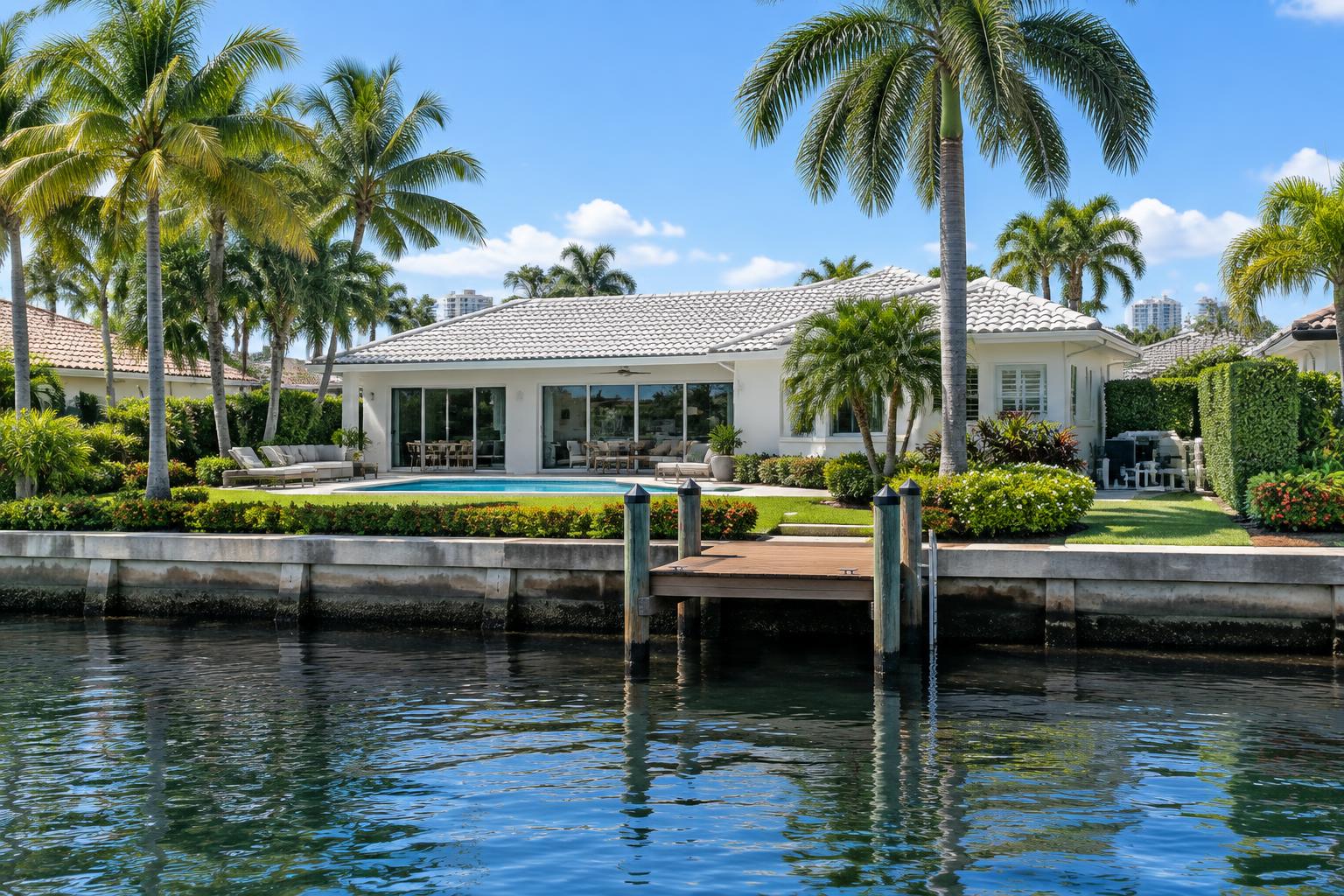
If you compare a non-waterfront home in a landlocked neighborhood to a waterfront property in a community like Coral Ridge or Rio Vista, you are comparing two entirely different asset classes. The waterfront home carries the burden of seawall maintenance, dock repairs, and potentially higher flood insurance premiums. You can explore different waterfront neighborhoods to see how these costs vary by geography.
Waterfront Adds Specific Responsibilities
If you are purchasing waterfront property, you are essentially buying a piece of infrastructure. You are taking responsibility for a dock, a seawall, and the management of a waterway edge.
Many buyers think the cheapest waterfront property is the best value. In reality, it is often the most expensive to own. A lower purchase price on a waterfront home frequently indicates that the seawall needs replacement, the dock is aging, or the lot is prone to tidal flooding. Before you fall in love with a view, verify the age and condition of the seawall.
You should also look into how your boat fits the property. We use a Dock & Draft Match boat-fit search to ensure that the depth, turning radius, and dockage capacity actually match the vessel you intend to keep there. If you buy a house that requires a deep-draft yacht, but the canal depth is shallow at low tide, your "investment" will quickly become a liability. You can browse waterfront homes categorized by boat size to ensure you are looking at properties that actually accommodate your lifestyle needs.
Condos Need Their Own Analysis
With a condominium, the purchase price is only the entry fee. You are entering a legal partnership with the other owners in the building.
I tell my clients to scrutinize the association’s budget and meeting minutes. Look for "special assessments." These are extra charges levied on owners to pay for major capital improvements like roof replacements, elevator modernizations, or concrete restoration—all of which are mandated by Florida law. If a building is about to undergo a major structural inspection, your monthly maintenance fee could skyrocket, or you could be hit with a one-time bill for thousands of dollars. Never ignore the health of the association's reserves.
Compare Actual Properties
The question isn't, "Is Florida cheaper?"
The question is, "What will Property A cost me to own compared with Property B?"
If you are currently evaluating your options, take the time to run the numbers. Use our city search for Fort Lauderdale to see how inventory is moving and where the price points sit. If you are coming from out of state, this guide to moving from New York to South Florida can help you anticipate the common hurdles we see with relocation files.
Your Due Diligence Checklist
Before you move forward, ensure you have verified the following:
- Tax Implications: Determine the current millage rate for the property and calculate your potential taxes after the homestead exemption is applied.
- Insurance Quotes: Do not trust a seller’s disclosure regarding insurance costs. Get a quote from a local insurance broker using the home’s specific wind mitigation report.
- Seawall/Dock Integrity: If you are buying on the water, pay for a specialist to inspect the seawall. This is not covered by a standard home inspection.
- Reserve Funds: For condos, request the most recent financial statement. If the reserves are low, ask why.
- Association Rules: Read the documents (bylaws, CC&Rs) to ensure the community rules—regarding pets, rentals, or parking—align with your lifestyle.
If you have questions about specific neighborhoods, building reputations, or how to properly weigh these costs, start by reading some client reviews of those who have navigated this move with my team. It helps to see how others handled the transition from the Northeast to the coast.
When you are ready to put your home on the market or start your search in South Florida, remember that you are looking for a long-term financial fit, not just a place to park your furniture. My goal is to make sure you have the facts before you commit to a major investment. You can see my approach to selling property if you need to divest in New York before buying here.
Next step: Let's discuss your specific relocation criteria and review the current market data for the neighborhoods you are considering. Call Simon Gedz at 954-562-1798.