
By Simon Gedz, Local Realtor
Charles Rutenberg Realty · 30+ years of South Florida market expertise · Published October 7, 2026
Originally published on the S.G. Trust Team blog.
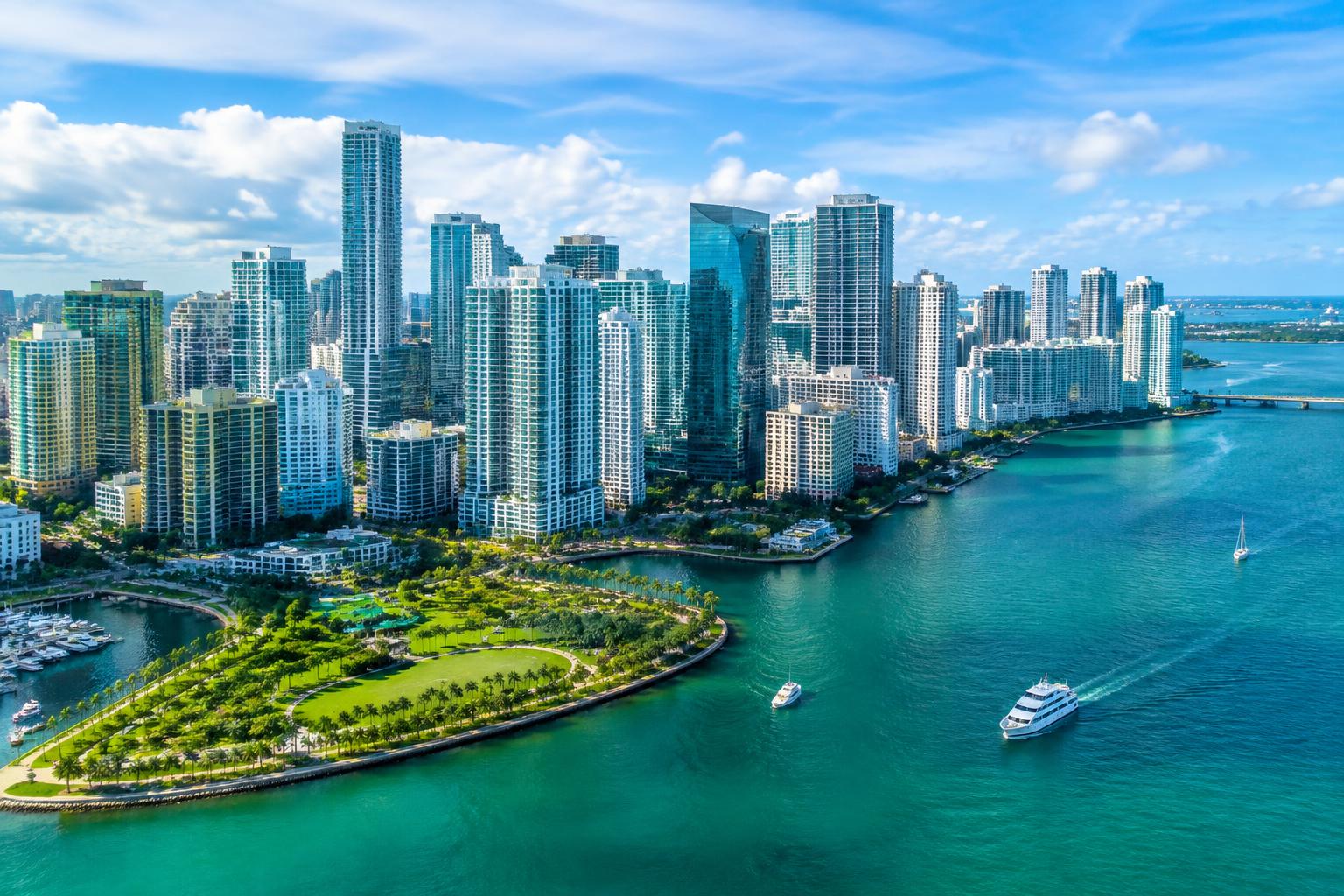
Miami may be the first South Florida city many New Yorkers think about when they start planning their move south. It has the glitz, the international recognition, and the fast-paced energy that feels like a natural transition from Manhattan. But it shouldn't automatically be the last stop on your search. In my three decades of helping clients transition from the Tri-State area to the Sunshine State, I have found that Fort Lauderdale often offers a more balanced, manageable, and ultimately rewarding lifestyle that many New Yorkers find they actually prefer once they get past the initial name recognition.
Buyers should evaluate both locations according to their specific priorities rather than defaulting to the one with the biggest marketing budget.
Start With Lifestyle and Logistics
To make the right choice, you have to be honest about how you want your days to look. Do you want an intensely urban environment where you can walk to world-class nightlife? Do you need a dedicated dock for a 50-foot sport fisher? Are you looking for a luxury condominium that mimics the high-rise living of the Upper East Side, or are you hoping to trade your tight apartment for a single-family home with a backyard?
Your answers will quickly begin separating these two markets. As of November 2026 on our site, we are tracking 2812 active homes in Fort Lauderdale with a median list price of $750,000. Meanwhile, Miami shows 2572 active homes with a median list price of $869,000. While the numbers fluctuate, the core difference remains: Fort Lauderdale often provides more breathing room and a more predictable, navigable pace of life compared to the frenetic energy of Miami.
For those of you who want to explore current inventory, you can start your search here for homes for sale in Fort Lauderdale.
Don't Choose Based on Reputation
The best-known city isn't necessarily the best place for you. I see too many buyers purchase a property in an area simply because they’ve heard the name, only to realize six months later that the neighborhood doesn't fit their personal rhythm.
Spend meaningful time in both areas. Don't just stay in a hotel downtown. Drive through neighborhoods like Victoria Park or Rio Vista in Fort Lauderdale, and compare them to Coconut Grove or Coral Gables in Miami. Observe the traffic patterns during rush hour. Visit the grocery stores, the gyms, and the local coffee shops. Imagine your Tuesday morning routine. Does it feel sustainable?
If you are a New Yorker moving south, I highly recommend reading my guide on moving from New York to South Florida to understand the logistics—from the shift in tax implications to the reality of the climate.
Fort Lauderdale Deserves Serious Consideration
For buyers interested in waterfront living and boating, Fort Lauderdale is often the superior choice. We call it the Venice of America for a reason, and the access to the Intracoastal Waterway and the ocean is unparalleled. As of November 2026 on our site, we have 1182 waterfront homes in Fort Lauderdale with a median waterfront list price of $1,050,000. Miami offers 1134 waterfront properties with a median waterfront list price of $998,000.
However, the numbers don't tell the whole story. Waterfront living in South Florida comes with technical complexities that a typical buyer from New York might not anticipate. You aren't just buying a house; you are buying a dock, a seawall, and a specific depth of water. You need to verify if the fixed bridges on the route to the ocean will accommodate your vessel. You need to check the condition of the seawall, as repairs can be significant.
Before you fall in love with a listing, use our Dock & Draft Match boat-fit search to ensure the property can actually accommodate your boat. We also categorize waterfront homes by boat size to save you time. If you want to see how these waterfront communities stack up against one another, read my Fort Lauderdale waterfront neighborhood comparison.
A Checklist for the Practical Buyer
When you are ready to get serious, keep this checklist in mind:
- Homestead Exemption: Florida offers significant tax relief for primary residents. You must understand the Florida homestead exemption rules before you set your budget. Read my Florida homestead exemption guide to understand the requirements and the filing deadlines.
- Flood Zones and Insurance: Verify the flood zone status of any property you consider. Insurance costs in South Florida have changed significantly in recent years. Do not rely solely on the seller’s disclosure; insist on an independent insurance quote early in the process.
- HOA and Condo Documents: If you are buying a condo, the financial health of the association is as important as the unit itself. Review the "reserve study"—this document tells you if the building has been setting aside enough money for long-term maintenance like roof replacements or elevator repairs.
- Property Inspection: In South Florida, we look for different things than they do in the North. We focus on roof age, HVAC efficiency, plumbing materials (avoid cast iron pipes), and electrical panels. Never waive your inspection contingency.
- Professional Guidance: Whether you are looking for a condo or a sprawling estate, your representation matters. You can see what others have said about working with me on my reviews page.
The Winner Is Personal
There is no objective "Miami-versus-Fort-Lauderdale" champion. The right answer is whichever location best aligns with the lifestyle you are trying to create. If you crave the constant hum of a global metropolis, Miami is tough to beat. But if you value community, easier water access, and a slightly more relaxed pace that still offers high-end amenities, Fort Lauderdale is often the smarter move.
If you are currently owning a property and thinking about making a change, I can help you understand the current market value of your home; you can start the process of selling with the S.G. Trust Team here.
A Note on Local Nuance
Always verify local zoning laws and permit histories. Just because a property is listed as a "waterfront home" doesn't mean you have the rights to use the entire dock, or that the dock is legally permitted. I always advise my clients to pull the permit history from the city building department before committing. Do not trust what is written in the MLS listing as a guarantee of current conditions. If you are ever unsure about a regulation or a property’s legal status, ask for a professional opinion or a survey. My job is to ensure you know exactly what you are purchasing before you sign the contract.
We have built our reputation on transparency and long-term relationships, not just closing the deal. Whether you are coming from New York for the first time or you are a seasoned investor looking for your next waterfront project, the goal is to get you into a property that serves your life, not the other way around.
If you have questions about specific neighborhoods, the current tax landscape, or the practical realities of moving to South Florida, let’s have a conversation. You can reach out to me directly to discuss your goals and how we can navigate the current inventory to find what you are looking for.
Next step: Call Simon at 954-562-1798 to discuss your move or to schedule a private tour of potential properties.