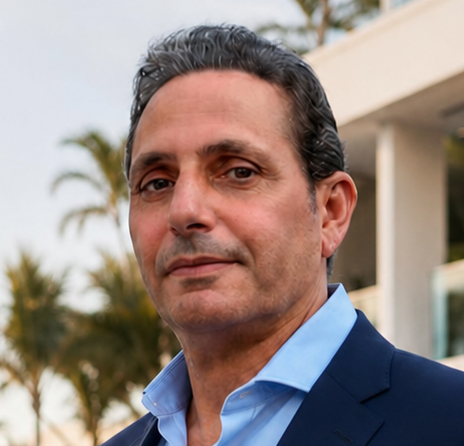
By Simon Gedz, Local Realtor
Charles Rutenberg Realty · 30+ years of South Florida market expertise · Published October 28, 2026
In my thirty-one years of helping clients navigate the South Florida market, I have heard the same dilemma repeated in hundreds of living rooms: the "perfect" home remains elusive because the budget hits a wall. You want a sprawling estate on the Intracoastal with modern finishes, but the numbers don't always align. As of November 2026 on our site, there are 2,812 active homes in Fort Lauderdale with a median list price of $750,000. When we narrow that search to the 1,182 waterfront properties available, the median list price jumps to $1,050,000.
That shift in pricing isn't just a number; it’s a reflection of the scarcity of land and access in our area. When you are looking for that luxury property, you are almost always forced to compromise. The trick is knowing which compromise will leave you happy in five years and which will lead to buyer’s remorse.
Start With What Cannot Change
Location is the absolute anchor of real estate. You can tear down a house to the studs, you can add a wing, and you can re-landscape the entire yard, but you cannot move the lot. In Fort Lauderdale, this is particularly nuanced. Are you looking for the quiet, deep-water canals of Las Olas Isles, the gated security of Harbor Beach, or the walkability of Victoria Park?
Before you even look at a floor plan, you need to look at the city search for Fort Lauderdale to get a feel for how neighborhood character impacts value. If you buy a "deal" on a property because it is located on a busy street or in a flood zone with restricted ocean access, you will be fighting against that location for as long as you own the house. You can change your lifestyle to fit a house, but you cannot change the city's infrastructure or the neighborhood's proximity to schools, shopping, or your preferred marina.
If you have your heart set on the water, take a look at our waterfront homes for sale to see how geography dictates the price. Remember, in Florida, verifying the flood zone, the seawall condition, and the FEMA requirements is not optional—it is a critical part of your due diligence.
Size Can Be Complicated
Buyers often walk into a home and think, "We can just build an addition." Please, never assume. Expanding a home in South Florida is governed by strict setbacks, lot coverage ratios, and, if you are on the water, specific rules regarding dockage and environmental impact.
Before you make a purchase based on the potential to expand, you need a survey in hand. You should verify the current square footage against what the city allows for that specific lot. If the house is already at the maximum allowable lot coverage, no amount of money will allow you to add that extra bedroom or home office. When I work with buyers, we often use our Dock & Draft Match boat-fit search to ensure that the "size" of the home is actually proportionate to the size of the boat it can accommodate. A massive house is of little use if the dock won’t support the vessel you own, effectively limiting the property's utility for your specific needs.
Condition Is Usually the Most Changeable
In the world of real estate, we often refer to "cosmetic" versus "structural" issues. Paint, flooring, cabinetry, bathroom fixtures, and lighting are all cosmetic. These are the things that make a house feel dated or unappealing, but they are also the things that hold the least amount of risk to correct.
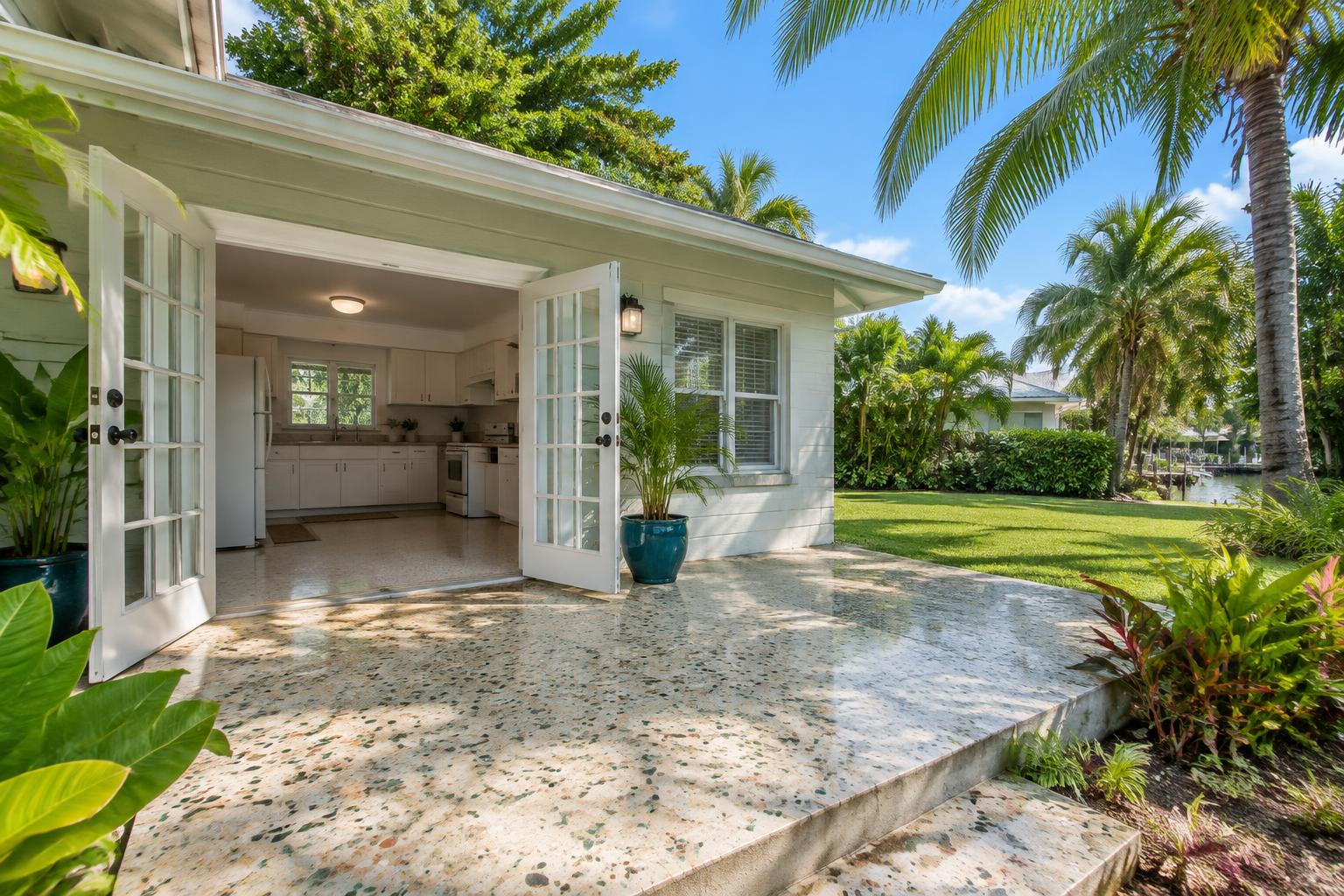
If you find a home in a premium location that fits your size requirements but is stuck in the 1980s, you have actually found a hidden gem. It takes time, money, and a contractor you trust, but you can renovate a kitchen. You cannot renovate a neighborhood. The danger is that buyers get "blinded by the shine." They see the marble countertops and the staging furniture, and they ignore the fact that the roof is at the end of its life, the plumbing needs repiping, or the electrical panel is obsolete.
When evaluating a luxury property, prioritize the "bones." Check the foundation, the roof, the impact windows (essential in Florida), and the HVAC systems. If the property is turn-key, you are paying a premium for someone else’s taste. If it is dated, you are paying for the location and the structure—and you have the opportunity to make it yours. For those considering a purchase, I always recommend reading through a fort lauderdale waterfront neighborhood comparison to ensure you aren't over-improving for the area.
Don't Automatically Choose the Renovated House
It is easy to fall in love with a house because it’s "done." However, I advise my clients to look beyond the fresh coat of paint. A beautiful renovation can make a weak location feel acceptable during a quick showing, but that feeling fades the moment you try to host a dinner party or get to work during rush hour.
Think long-term. Is the house going to be too small in five years when your family grows, or your hobbies change? Is the location going to be a source of frustration? I often suggest that buyers look at the cost of living in Fort Lauderdale not just as a budget exercise, but as a lifestyle exercise. If you save money on the purchase price by buying a "fixer-upper" in a prime spot, you have capital left over to customize the space to your exact standards.
The Five-Year Question
I ask all my clients to sit down and answer this: "Five years from now, which compromise am I most likely to regret?"
Usually, the answer is the location. You can live in a house with a hideous 1990s kitchen for a few years while you save and plan for a renovation. You cannot, however, wake up one morning and decide you want your home to be two blocks closer to the beach or in a quieter neighborhood.
When you are buying, focus on what you cannot create later. You cannot create a wider canal. You cannot create a larger lot. You cannot create a better neighborhood. If you focus your search on those unchangeable factors, you will find that the actual "size" and "condition" of the house become variables that you can manage.
Before you make a final offer, remember to look into the Florida Homestead Exemption guide to ensure you are factoring in the long-term tax implications of your purchase. Understanding these rules is a fundamental part of the financial sanity check for any luxury buyer.
If you are just starting your search, or if you are transitioning from out of state and need a clear view of the current inventory, I encourage you to look at our waterfront homes list to see what is currently hitting the market. Buying luxury real estate is a process of elimination; we narrow it down by what is non-negotiable until we find the home that fits your life.
Whether you are looking to invest in a primary residence or a vacation getaway, the key is to be deliberate. Do not let the excitement of a new purchase override your long-term goals. Verify the lot, confirm the zoning, check the flood risks, and keep your eyes on the neighborhood.
Next step: If you are ready to discuss your specific requirements or need a professional assessment of a property you are considering, please call me, Simon Gedz, at 954-562-1798. I have been navigating the South Florida market since 1995, and I am happy to help you work through these trade-offs to find a home that fits your life perfectly.