
By Simon Gedz, Local Realtor
Charles Rutenberg Realty · 30+ years of South Florida market expertise · Published October 31, 2026
Originally published on the S.G. Trust Team blog.
A condo can simplify certain aspects of ownership. I have been working in South Florida real estate since 1995, and I have heard the "maintenance-free" pitch more times than I can count. Buyers often view a condo as a way to escape the "headaches" of a single-family home. But in my experience, that doesn't mean: no maintenance, no responsibilities, and no costs. It just means the management structure is different.
As of November 2026 on our site, we are seeing 2812 active homes in Fort Lauderdale with a median list price of $750,000. Among those, 1182 are waterfront properties, with a waterfront median price sitting at $1,050,000. Whether you are looking at a high-rise in downtown Fort Lauderdale or a single-family house in a neighborhood like Coral Ridge, you need to understand that maintenance is a requirement of ownership, not an optional feature.
You Still Own a Residence
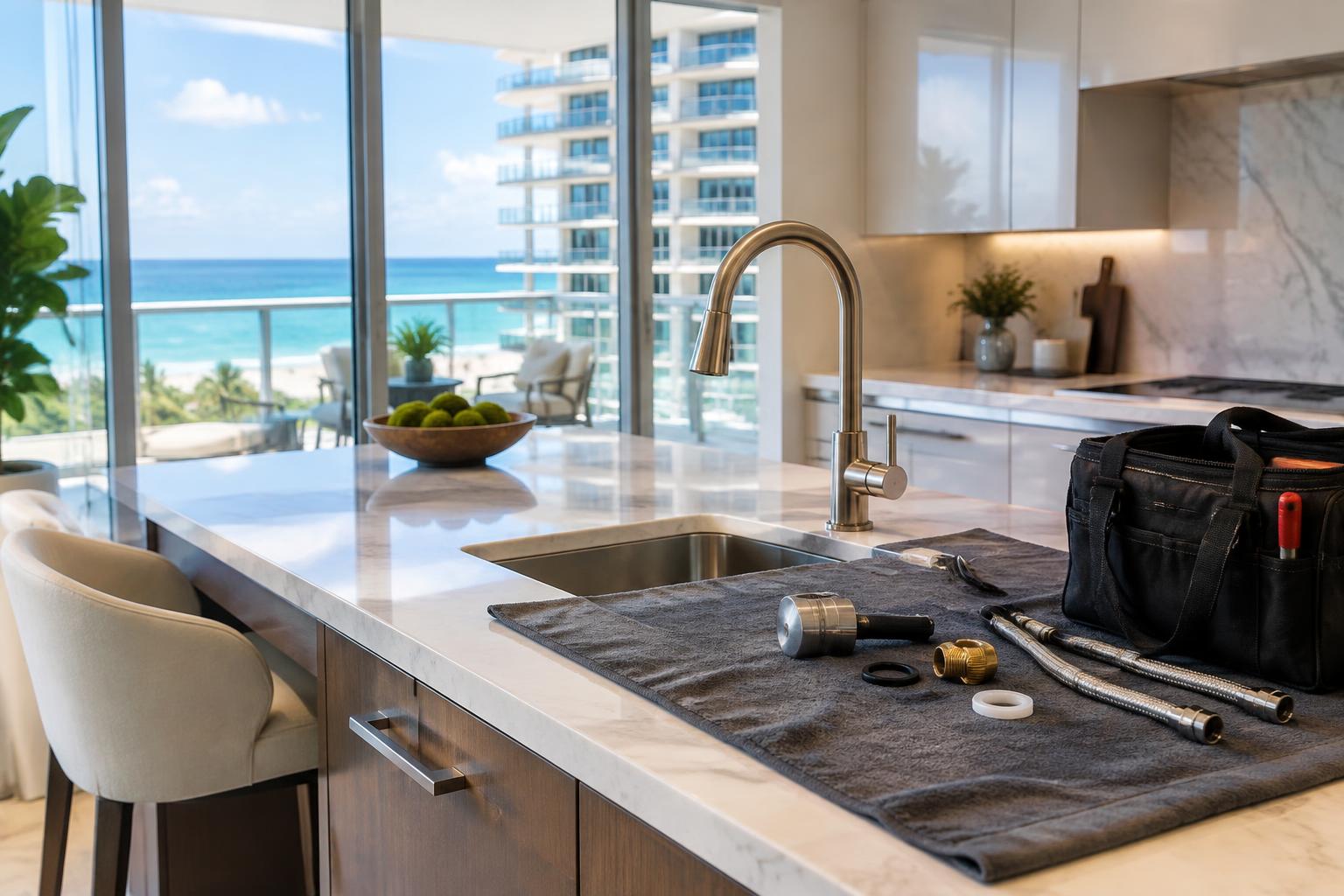
The common misconception is that because you pay a monthly association fee, the interior of your property takes care of itself. That is rarely the case. In Florida, your condo unit is typically yours from the "paint in." This means that if your HVAC unit fails, your dishwasher leaks, or your kitchen cabinets need replacing, it is on you. In a single-family home, you handle the roof and the landscaping; in a condo, you handle the interior components that keep your daily life running.
I often advise my clients to look closely at the age of the appliances and the condition of the HVAC system during the inspection phase. You can search for various property types at our Fort Lauderdale real estate listings, but regardless of the listing, perform your due diligence as if you were buying a house.
You’re Also Part of a Condominium
When you buy a condo, you are becoming a fractional owner of a corporation. The association’s health is your health. If the roof of the building needs replacing or the concrete needs restoration to comply with local safety codes, the association is responsible for funding that project. If they haven’t saved enough in their reserves, you, as an owner, will be responsible for the difference.
You should always request the meeting minutes from the last year. Are they discussing major structural repairs? Is there litigation involving the association? These are red flags that can turn a "simple" condo lifestyle into a financial burden. For those weighing the pros and cons of different areas, my Fort Lauderdale waterfront neighborhood comparison is a good starting point to see how different management styles affect property value and lifestyle.
Fees Matter
Maintenance fees aren't just a bill; they are a window into the building's management. When you receive a disclosure statement, look at what is included. Is cable or internet bundled in? Is water included? Does the fee cover high-end amenities like a concierge or a private beach club, or is it mostly going toward the structural insurance of the building?
Especially in older buildings, insurance premiums have been rising across Florida. If the association fee seems low, ask yourself why. Is it because they are underfunded, or because they have recently completed a major assessment? I always suggest my clients review the condo buyer guide before signing a contract. You need to know exactly what you are paying for and whether those fees are likely to spike in the next three years.
Assessments Matter
An assessment is a charge levied against unit owners to cover costs that exceed the regular operating budget. In Florida, these are particularly common for structural retrofits. Before you close, ask your agent to verify the status of any current or pending special assessments.
If a building is undergoing a "milestone inspection" (a mandatory Florida requirement for buildings of a certain age), that process can lead to significant assessments. Do not rely on hearsay from the seller or a neighbor; ask for the written financial statements of the association. If I am representing you, we will dig through these documents together to ensure there are no surprises waiting behind the lobby doors. You can learn more about the financial reality of luxury living in my guide on the true cost of owning a luxury home in Fort Lauderdale.
Rules Matter
Living in a condo means living by the association's bylaws. These rules can dictate everything from whether you can have a dog (and the weight limit of that dog) to how you can decorate your balcony or whether you can rent your unit out on a short-term basis.
If you are a boater, for example, verify the rules regarding dock usage. Even if a condo offers a dock, the association may have specific rules about boat length or draft depth. We have tools like our Dock & Draft Match boat-fit search to help you navigate which properties are actually suited for your vessel. Never assume that "waterfront" means "boater-friendly" without reading the association’s governing documents first.
Better Word: Different
I tell my clients that condo ownership isn't maintenance-free. It is simply a different ownership structure from a single-family home.
For the right buyer—someone who wants the security of a building with controlled access, or who enjoys the social atmosphere of a shared pool and gym—a condo can be exactly what they want. However, you must view the purchase as a business transaction involving a corporate entity.
If you are moving here from out of state, the legal landscape in Florida can feel unfamiliar. I wrote a guide on moving from New York to South Florida that touches on some of these structural differences. Additionally, if you are considering selling a current property to move into a condo, check out my luxury seller checklist to ensure your current assets are positioned correctly.
One final piece of advice: do not ignore the Florida Homestead Exemption. If the condo will be your primary residence, make sure you understand how to file for this to help mitigate your property tax burden. It is a simple step, but one that many new residents miss in the excitement of closing.
Whether you are looking for a condo, a townhouse, or one of the 1182 waterfront homes available, the key to success in this market is data-driven due diligence. You can browse waterfront homes by size, or if you are ready to put your property on the market, you can learn more about selling with the S.G. Trust Team. I also encourage you to look at my client reviews to see how I have helped others navigate these complex purchase decisions over the last three decades.
Buying in South Florida is a major commitment. My goal is to ensure you know what you are walking into before you reach the closing table. When you look at the 2812 active homes currently listed, don't just look at the median list price. Look at the bylaws, the financials, and the long-term viability of the community.
If you are ready to discuss your specific needs or have questions about a specific building or neighborhood in Fort Lauderdale, please give me a call. I am happy to walk you through the current state of the market and help you identify the right fit for your lifestyle.
Next step: Please call me at 954-562-1798 to discuss your property search or to review any condo documents you have currently received.