
By Simon Gedz, Local Realtor
Charles Rutenberg Realty · 30+ years of South Florida market expertise · Published October 18, 2026
Originally published on the S.G. Trust Team blog.
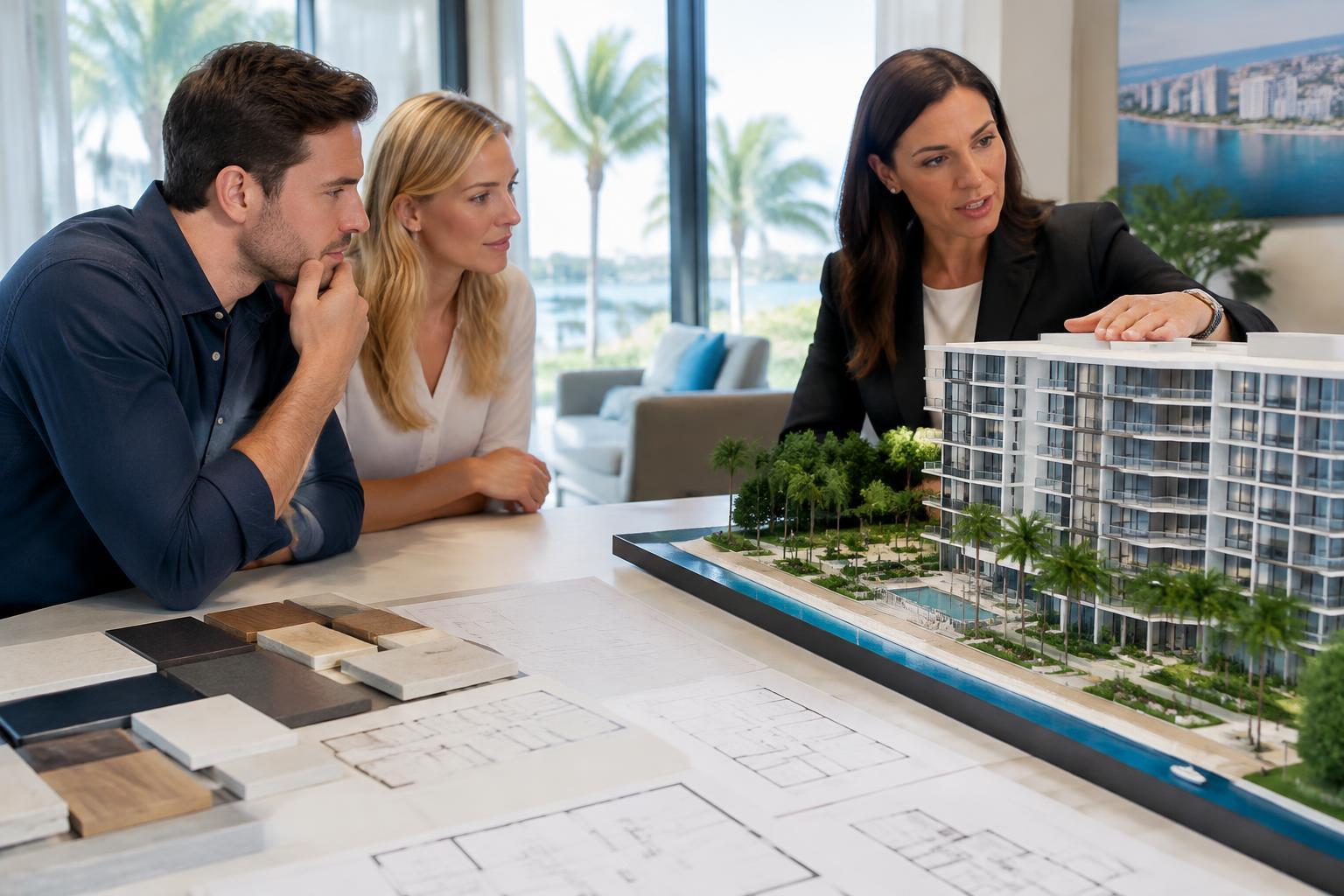
New construction can feel simpler because everything is new. It is shiny, the systems are under warranty, and there is a certain peace of mind that comes with knowing you are the first person to use the appliances. However, that confidence can create significant blind spots for buyers. Since 1995, I have guided clients through the unique complexities of the South Florida market, and I have seen too many buyers enter a builder’s sales office without their own representation, only to regret the terms they agreed to later.
As of November 2026 on our site, we are tracking 2812 active homes in Fort Lauderdale with a median list price of $750,000. For those looking specifically at our canal-front lifestyle, there are 1182 waterfront properties, with a median list price of $1,050,000. Whether you are looking at a new high-rise or a suburban development, the fundamental risks remain the same.
1. Falling in Love With the Model
Model homes are designed by professional interior designers to be visually perfect. They feature the top-tier finishes, upgraded lighting, and professional staging that makes the space feel like a sanctuary. You must remember that the model is a marketing tool. Before you sign anything, demand a "standard features sheet." This document dictates what comes in your specific unit at the base price. Often, the floors, cabinetry, and crown molding you see in the model are "platinum" or "custom" packages that carry significant surcharges.
2. Looking Only at the Base Price
The advertised price is rarely the final price. In South Florida, developers often market a "starting from" price, but by the time you add the necessary upgrades to make the home livable—or even just to meet the aesthetic standards of the neighborhood—you could be looking at a 15% to 20% increase. You also need to account for lot premiums. A corner lot or a lot with a preserve view in neighborhoods like Coral Ridge or Rio Vista will carry a higher price tag than a standard interior lot. Always ask for a full breakdown of the "out-the-door" price before you put down a deposit.
3. Assuming the Completion Date Can't Change
Supply chain issues, permitting delays at the city level, and labor shortages are facts of life in Florida real estate. A builder’s contract is almost always written to favor the builder regarding timelines. They provide an estimated completion date, but they rarely guarantee it. If you are selling your current home or moving from out of state, you need a contingency plan for a three-to-six-month delay. Before signing, check the contract for the "force majeure" clause and understand how much time they are allowed to finish before you have the right to walk away.
4. Skipping Due Diligence
"New" does not mean "perfect." In fact, brand-new homes often have "settling" issues or errors made by subcontractors who were rushing to meet a deadline. I always recommend a third-party home inspection, even for new construction. You should have a pre-drywall inspection to see the framing and electrical work before it is hidden behind walls, and a final inspection before your closing walk-through. If you are buying a waterfront property, you should also utilize our Dock & Draft Match boat-fit search to ensure the seawall and dock structure meet your vessel's requirements, as builder-provided marine structures can sometimes be rudimentary.
5. Ignoring the Location
A brand-new kitchen cannot compensate for a location you do not enjoy. In South Florida, the difference between a prime location and a mediocre one is massive for resale value. If you are considering a new build, look at the proximity to major thoroughfares, flight paths, and local amenities. Spend time in the area at different times of the day—morning traffic is a very different experience than Sunday brunch traffic. If you are looking for specific neighborhood dynamics, you can review my Fort Lauderdale waterfront neighborhood comparison to see how various areas stack up against one another.
6. Assuming Every Upgrade Adds Equal Value
Not all upgrades are smart investments. While choosing high-end plumbing fixtures might make your life easier, they do not always equate to a higher appraised value when it comes time to sell. Focus your budget on structural or "hard to change later" items: ceiling height, electrical capacity for EV chargers, impact windows, and premium lot location. Cosmetic items like flooring or paint can be changed after you take possession, often at a lower cost than the builder’s markup.
7. Not Reading the Documents
Homeowners Association (HOA) or Condo Association documents are notoriously dry, but they are essential reading. They dictate your rules for parking, pet ownership, rentals, and exterior modifications. If you plan to rent your property on platforms like Airbnb, you must verify the rules. Some new developments in Fort Lauderdale strictly forbid short-term rentals, which could derail your investment strategy. Relying on the sales associate’s verbal summary is a mistake; you need to see the fine print yourself or have an experienced professional review it.
8. Forgetting to Compare Resale Properties
It is easy to get caught up in the excitement of a new build and forget that there is a vast market of existing homes. As of November 2026, we have a diverse inventory, and looking at established neighborhoods can give you a better sense of value. You might find that for the price of a new construction townhouse, you could buy a charming, renovated single-family home in an established area with more square footage and mature landscaping. Before you commit, explore our Fort Lauderdale real estate listings to see exactly what your budget buys in the resale market.
New Isn't Automatically Better
Choosing between new construction and an existing property is a lifestyle decision. If you value efficiency and modern layouts, new construction is a great choice. If you value history, location, and established community feel, you may lean toward the existing waterfront homes in Fort Lauderdale.
When you buy new construction, remember that the salesperson in the office represents the builder, not you. They are there to sell the inventory, not necessarily to ensure you get the best terms. Having your own representation allows you to negotiate items like closing costs, upgrades, or even price adjustments that an unrepresented buyer might miss. Additionally, if you are relocating here, understanding the local tax structure is vital; make sure you review our Florida homestead exemption guide so you don't overpay on your property taxes once you move in.
If you are considering a move, I encourage you to learn more about selling your current home with the S.G. Trust Team or see what others have experienced by checking our client reviews. New construction is a significant investment, and the process requires the same level of scrutiny, if not more, than buying a resale. Do your homework, demand transparency, and ensure that your next home is a sound investment for your long-term future.
Next step: Buying new construction can be a complex process involving multiple contracts and timelines. Before you sign any deposit agreement, give me a call at 954-562-1798. We can discuss the specific developments you are looking at and ensure your interests are protected from the start.
