
By Simon Gedz, Local Realtor
Charles Rutenberg Realty · 30+ years of South Florida market expertise · Published October 21, 2026
Originally published on the S.G. Trust Team blog.
For many of the clients I have worked with since 1995—especially those making the move from New York to South Florida—a private pool is the ultimate symbol of the sunshine lifestyle. There is nothing quite like stepping out of your back door into your own private oasis. However, after three decades in this market, I have learned that many buyers look at a pool and see only the fun, completely ignoring the fact that it is a complex piece of heavy-duty mechanical equipment operating in a harsh, salt-heavy, tropical environment.
As of November 2026 on our site, there are 2812 active homes in Fort Lauderdale, with a median list price of $750,000. Among those, 1182 are waterfront properties with a median price of $1,050,000. When you move into the higher price brackets, particularly with waterfront homes in Fort Lauderdale, the pool is rarely just a basic concrete hole in the ground; it is often a centerpiece of a large, high-maintenance outdoor living space. Before you sign that contract, let’s look at the reality of pool ownership from a practical, real-estate-pro perspective.
Think Beyond Weekly Cleaning
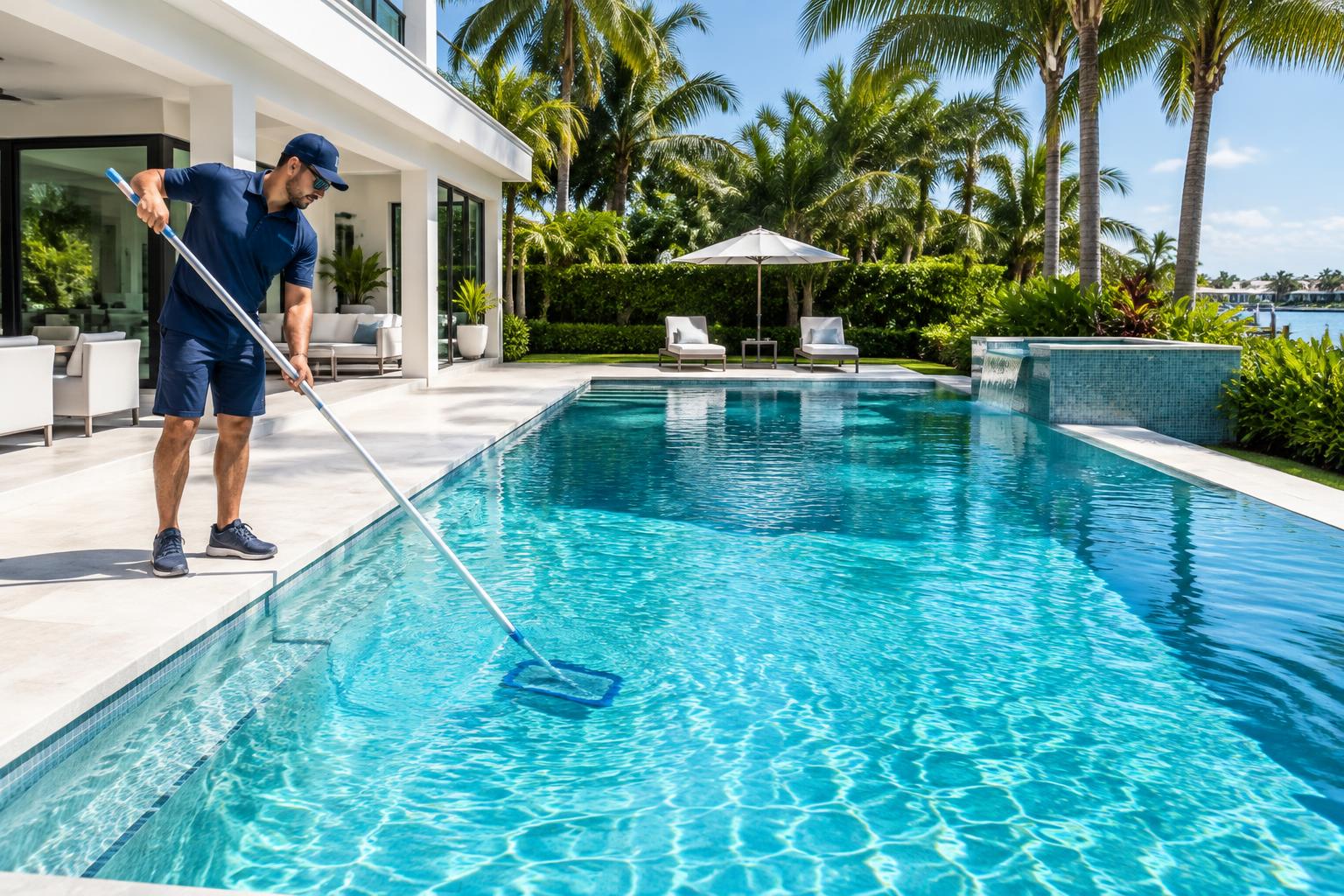
When most people think of pool costs, they think of the $120 to $180 per month for a pool guy to skim the leaves and dump in some chlorine. That is only the baseline. Here in Florida, the sun is relentless, and the humidity can accelerate wear and tear on your equipment.
You need to factor in the electricity to run your variable-speed pump, which is non-negotiable for water circulation. You have chemicals, yes, but you also have the "hidden" maintenance: pressure washing the pool deck, cleaning the cartridge filters or backwashing the sand filters, and replacing the salt cells if you have a salt-water system. Salt systems are popular here, but they are corrosive; they will eat away at untreated metal fixtures around your pool deck faster than traditional chlorine systems.
Understand the Existing System
I always advise my clients to be incredibly thorough during the inspection period. You should never assume the pool equipment is in good working order just because the water looks blue today.
Ask for the service records. Who has been maintaining the pool? Can the seller provide invoices for recent repairs? When was the pump last replaced? Look at the age of the heater and the automation system. If the equipment is more than 7–10 years old, you should prepare your budget for a replacement sooner rather than later.
During your inspection, have a pool-specific technician come out—not just your general home inspector. They should verify the integrity of the pool cage (if you have one), check for leaks in the plumbing lines, and test the electrical components. If you are buying a waterfront home, you have the added complexity of managing a seawall and a dock nearby. Ensuring your pool equipment is properly bonded and meets current electrical codes is a matter of safety, not just convenience.
The Outdoor Space as a System
The pool does not exist in a vacuum. It is part of your entire outdoor living package. In neighborhoods like Las Olas, Rio Vista, or Coral Ridge, a pool is usually surrounded by high-end amenities. You might have an outdoor kitchen, motorized screens, specialized landscape lighting, or custom deck pavers.
These systems are interlinked. If your pool deck drainage isn't perfect, you’re going to have issues with your patio furniture and potential water intrusion near the foundation of your home. If your landscaping is overgrown, those roots can eventually compromise the pool’s plumbing or the shell itself. When you are looking at waterfront boating lifestyle properties, remember that the constant salt air will expedite the oxidation of outdoor kitchen equipment like grills and refrigerators. You must account for the upkeep of these "peripheral" items as part of your total annual maintenance budget.
Budget for Maintenance, Not Just Repairs
A common mistake I see new Florida homeowners make is failing to build a reserve fund. In my experience, you should plan for a "pool emergency" fund that sits separate from your regular monthly maintenance budget.
If your pump motor dies on a Sunday in August, you aren't going to be looking for the cheapest deal; you are going to be looking for whoever can fix it immediately so your pool doesn't turn into a swamp in 48 hours. Equipment failure, pool light leaks, or even resurfacing the pool every 10–15 years can be significant capital expenditures. If you are budgeting for a home purchase, I suggest you read our guide on the true cost of owning a luxury home in Fort Lauderdale to see how these numbers align with property taxes and insurance.
Is it Worth it?
This is the lifestyle question I ask every client. If you are someone who works from home, loves to host, or values that morning swim to start your day, a pool is a tremendous quality-of-life investment. It adds tangible value to your property and makes your home the center of your social circle.
However, if you travel for nine months of the year, or if you simply do not enjoy the maintenance cycle, you might want to look for a property that offers community amenities instead of a private backyard pool. There are plenty of high-end condominiums in Fort Lauderdale that offer the pool lifestyle without the personal responsibility of cleaning the filter and monitoring the chemical balance.
Before you commit, it is also worth verifying your specific local municipal regulations regarding pool safety, specifically the Florida Residential Swimming Pool Safety Act. Ensure that any pool you purchase has the required safety barriers, door alarms, or pool covers. It is a critical legal requirement, and you don’t want to be upgrading safety features immediately after closing because you missed it during the walkthrough.
If you are just starting your search, I encourage you to look through my Fort Lauderdale waterfront neighborhood comparison to get a better sense of where you might want to plant your roots. Every neighborhood has a different feel, and the cost of maintaining a property—and its pool—can vary based on the age of the homes and the specific environment of the area.
Buying in South Florida is a wonderful move, but it requires a bit of practical foresight. By doing your due diligence on the "behind-the-scenes" mechanics of your home, you ensure that your Florida dream stays exactly that—a dream, not a chore.
If you have questions about specific properties or need guidance on the inspection process, I am here to help. You can read my client reviews to see how I have helped others navigate these acquisitions, or if you are ready to start looking, we can dive into the specifics of your move.
Next step: When you are ready to discuss your specific home requirements or have questions about how to budget for a waterfront property in Fort Lauderdale, call me, Simon Gedz, at 954-562-1798.