
By Simon Gedz, Local Realtor
Charles Rutenberg Realty · 30+ years of South Florida market expertise · Published October 12, 2026
Waterfront is one of Fort Lauderdale's defining real estate features. I have been navigating this market as a Realtor since 1995, and I have seen trends shift, interest rates rise and fall, and inventory fluctuate. But the one constant question remains: Should you pay the premium for waterfront?
As of November 2026 on our site, there are 2,812 active homes in Fort Lauderdale with a median list price of $750,000. When we isolate the 1,182 waterfront properties in that same dataset, the median list price jumps to $1,050,000. That $300,000 difference is significant, and it represents a lifestyle choice that goes well beyond the balance sheet.
Start With One Question: Will I Actually Use the Water?
If you own a boat and expect to use it regularly, the answer may be obvious. You are buying the property for its utility—the dock, the seawall, and the direct ocean access. If you fall into this category, I recommend you look at our waterfront boating tool to ensure the dock depth and clearance match the specific draft of your vessel. There is nothing worse than buying a waterfront home only to find that your boat is effectively landlocked at low tide.
However, if you do not boat, think carefully. Many buyers come to me convinced they want waterfront because it represents the "Florida Dream." But living on the water comes with specific maintenance responsibilities—seawall inspections, pilings, and the harsh realities of salt air on exterior materials. If you are not going to be on the water, you are paying a heavy premium for a view that you might eventually stop noticing.
Waterfront Can Be About More Than Boating
Some buyers simply love water views. They enjoy the atmosphere, the morning coffee looking over the Intracoastal, and the cooling breeze. They are willing to prioritize it even without owning a boat. That is a perfectly legitimate reason to buy waterfront. In this case, you are buying the privacy, the scenery, and the status.
If this is your motivation, remember that you are also buying a specific set of risks and costs. Before making an offer, look at our waterfront homes inventory, but then immediately perform your due diligence. You must verify the age and condition of the seawall. In Florida, seawall repairs can run into the tens of thousands—sometimes hundreds of thousands—of dollars. I always advise my clients to hire a structural engineer to inspect the bulkhead specifically, as a standard home inspector will often exclude it from their report.
What Are You Giving Up?
Every budget has limits. The money allocated toward a waterfront location might otherwise buy you things that affect your daily quality of life much more than a view. When you opt for a non-waterfront home, you are often buying:
- More interior space: You might find a 3,000-square-foot home in a quiet neighborhood instead of a 1,800-square-foot waterfront cottage.
- Newer construction: Waterfront lots are often occupied by older homes that require major renovations. A non-waterfront home in a neighborhood like Victoria Park or Coral Ridge might offer you modern building codes, impact windows, and newer HVAC systems.
- A larger lot: If you enjoy gardening or want more space between you and your neighbors, you will find more value inland.
- Different location: Sometimes the "luxury" is being within walking distance to Las Olas or the beach, rather than being on a canal several miles away from the action.
Non-Waterfront Isn't “Less Luxury”
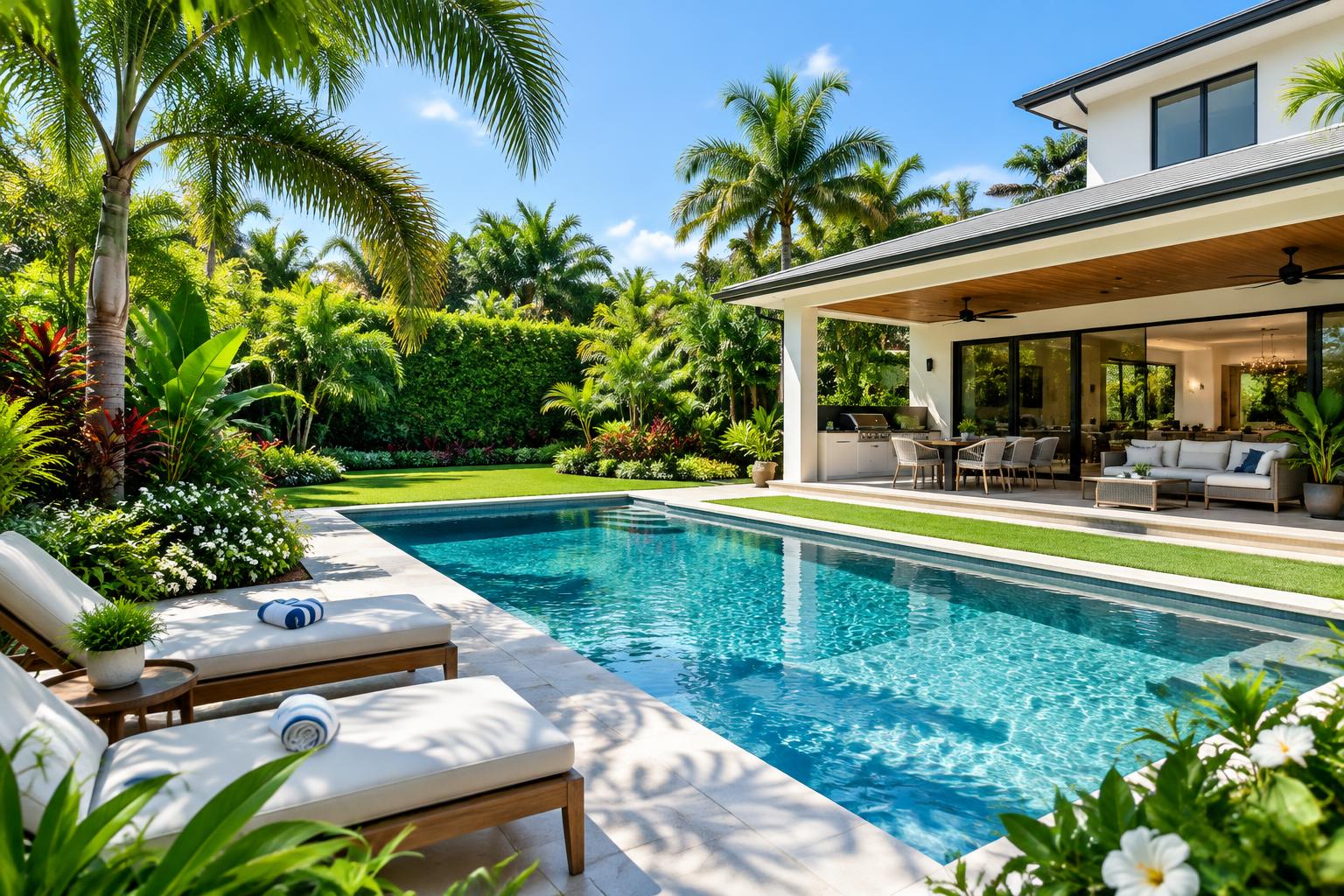
I have walked clients through stunning, non-waterfront properties in neighborhoods like Rio Vista or Colee Hammock that offer more "luxury" than the average waterfront home. A high-end kitchen, custom cabinetry, smart-home integration, and a resort-style pool area can make a non-waterfront home feel like a private sanctuary.
When you strip away the water element, you are left with the bones of the house and the quality of the neighborhood. If you are moving to the area, it is worth exploring the cost of living in Fort Lauderdale to see how taxes and insurance premiums change between waterfront and inland zones. Furthermore, make sure you understand the tax implications of your purchase, specifically regarding the Florida homestead exemption guide, which can save you significant money regardless of where you choose to live.
Spend on What Changes Your Life
Luxury is not about buying every expensive feature available in the MLS. It is about knowing which expensive features actually matter to your daily routine. If you are moving from out of state, the transition can be jarring. I often see clients moving from New York to South Florida get caught up in the allure of the water, only to realize six months later that they miss the walkability or the specific vibe of a non-waterfront historic district.
Before you commit, spend time in the neighborhoods. Walk the streets at different times of the day. Check if the street is prone to tidal flooding—a very real issue in certain low-lying parts of the city. Talk to the neighbors about how the area changes during rainy season or during high tide events.
If you are just starting your search, you can begin your city-wide exploration here. If you feel like you need a deeper dive into the nuances of specific streets and micro-neighborhoods, I have put together a Fort Lauderdale waterfront neighborhood comparison that breaks down exactly what to expect from an infrastructure and lifestyle perspective.
My Checklist for Buyers
If you are narrowing your search, here is a practical approach I recommend to all my clients:
- Define your utility: If you have a boat, bring a surveyor. If you do not, subtract the cost of a "view" and see if the house still feels like a value.
- Insurance Check: Waterfront homes carry different insurance requirements, especially regarding flood coverage. Never assume a home is "high and dry" just because it looks elevated. Verify the FEMA flood zone map for any property you are considering.
- Renovation Potential: Are you prepared to renovate a waterfront home to modern standards? If the home is in a historic district, there may be restrictive covenants regarding what you can change.
- Community Vibe: Do you want to be near the hustle of the Intracoastal traffic, or do you prefer the quiet tree-lined streets of the inland residential pockets?
I have built my business on transparency. Whether you are selling a property or looking to buy, you deserve to know exactly what you are paying for. I have helped hundreds of families navigate this market, and my goal is to ensure you feel as confident in your decision five years from now as you do on the day you close. You can look at some of my recent client reviews to see how I have helped others prioritize their needs over the "standard" real estate advice.
Next step: If you want to discuss which neighborhoods currently offer the best balance of value and lifestyle for your specific budget, please call me at 954-562-1798. Let’s talk about your goals and make a plan to find the right property for you.