
By Simon Gedz, Local Realtor
Charles Rutenberg Realty · 30+ years of South Florida market expertise · Published November 1, 2026
For many buyers I work with, the answer to whether a vacation property can eventually become a primary residence is a resounding yes. Since 1995, I have seen clients start with a seasonal condo or a weekend getaway house, only to realize a few years later that they no longer want to leave South Florida.
It is a smart strategy to think about this transition before you even sign a contract. Buying for the future can save you the headache and significant expense of moving again once your lifestyle shifts. As of November 2026 on our site, we are tracking 2812 active homes in Fort Lauderdale with a median list price of $750,000. If you are looking specifically at the water, there are 1182 waterfront options with a median price of $1,050,000. Whether you are browsing Fort Lauderdale listings or narrowing down to waterfront properties, here is how to plan for that eventual permanent move.
Your Needs May Change
A vacation home is often chosen based on proximity to the beach, nightlife, or a specific resort-style amenity. That is perfectly fine for a two-week stay. However, full-time living requires a shift toward the practical. When you live here year-round, your criteria move toward the "boring" stuff that makes life functional: proximity to quality healthcare providers, easy access to major grocery chains, and a commute that doesn’t drain your soul.
Think About Storage
When you are visiting for a month, you pack light. When you live here, you accumulate gear. You will have holiday decorations, hurricane shutters, specialized cleaning supplies, and potentially hobby equipment. Many seasonal condos in areas like Galt Ocean Mile or Las Olas have notoriously limited closet space. Before buying, check the storage availability. Can you add built-ins? Is there a designated storage locker in the building, or a garage you can convert? If you are moving from a larger home up north, you will quickly find that "downsizing" is more than just a buzzword—it is a logistical challenge.
Think About Work
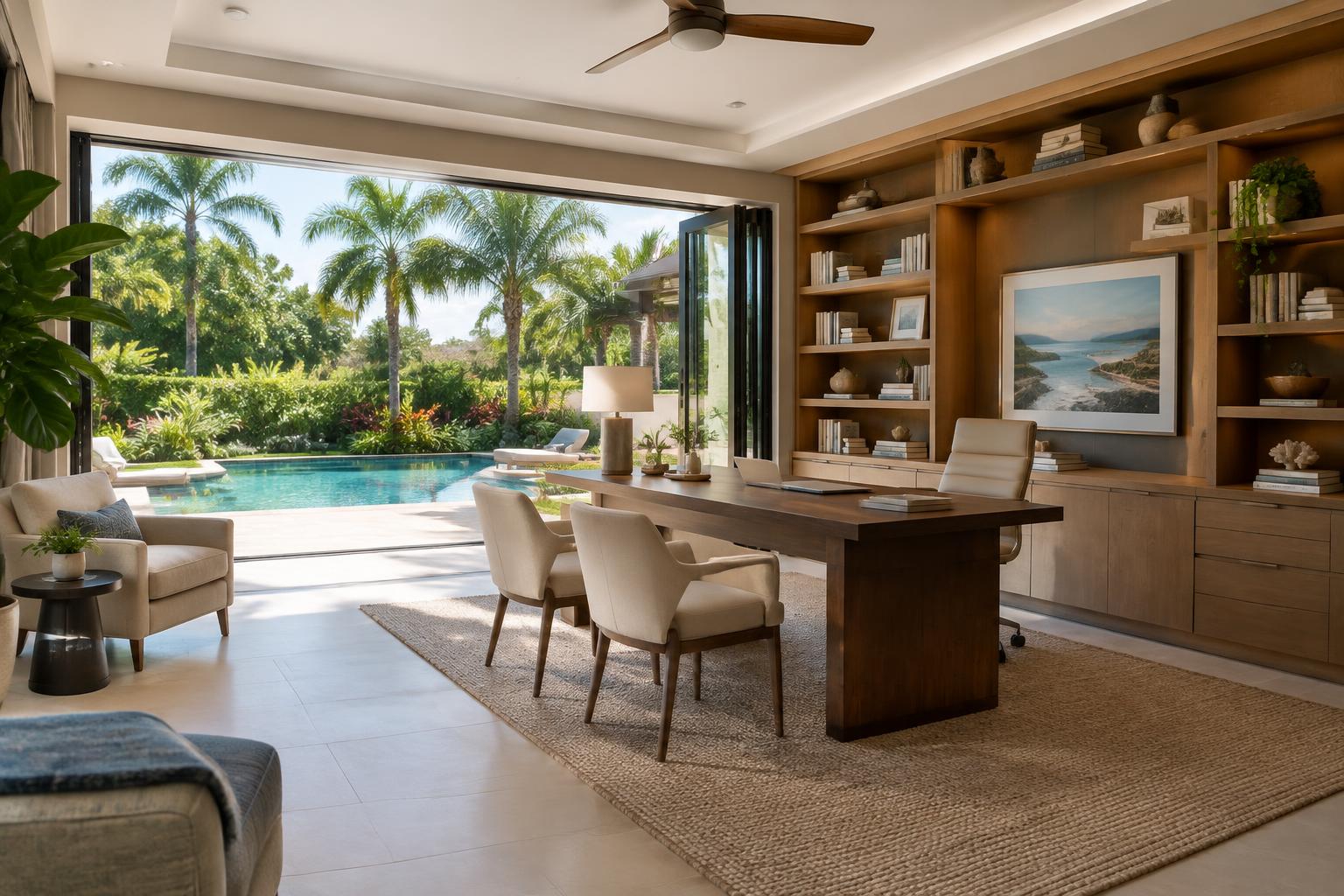
The "vacation" version of you works poolside with a laptop. The "resident" version of you needs a real office, stable high-speed internet, and a quiet environment where you can handle conference calls while the neighbors are trimming their palms. If you are planning to work from your Florida home, do not buy a space where the "office" is a laptop balanced on a kitchen island. Look for a den or a room that can be closed off. If you are buying a condo, check the building’s rules on business activity or hosting clients in common areas.
Think About Guests
When you own a place in Florida, you suddenly become the most popular person in your social circle. Family and old friends will want to visit. If your second home is a one-bedroom apartment, those visits are going to feel very tight, very fast. If permanent relocation is on the table, I suggest looking for a property that offers at least one spare room or a den with a Murphy bed. Having a bit of separation—perhaps a second bathroom—is the secret to maintaining your sanity when houseguests stay for longer than a long weekend.
Think About Everyday Convenience
Vacationers eat out every night. Residents do not. Take a drive through the neighborhood you are considering. Where is the nearest Publix or Whole Foods? Are there walking paths or parks nearby? Consider the flow of traffic during peak season versus the quiet summer months. If you are planning to relocate permanently, I strongly recommend reading my neighborhood comparison guide to understand which areas have a true sense of community versus those that are purely tourist-centric.
Think About Space
Would you be comfortable living here 12 months a year? This is the most important question. Florida summers are hot and humid. If your only living space is a tiny outdoor patio that you can’t use from June through September, you will feel trapped inside. You need a space that offers comfort during the off-season. Verify the interior square footage, the quality of the impact windows (essential for both insulation and insurance), and the layout. If it feels cramped during a brief tour, it will feel claustrophobic after six months.
The Florida Homestead Exemption
If you are planning to make this your primary residence, you must understand the financial implications, particularly the Florida Homestead Exemption. This is a massive tax benefit, but you can only claim it on your primary home. To qualify, you must show "intent" to make the property your permanent residence. This involves registering to vote in Florida, getting a Florida driver’s license, and filing a declaration of domicile. I always advise my clients to check with their accountant or the local property appraiser’s office to understand how this impacts your long-term tax liability. You can find a breakdown of how this works in my Homestead Exemption guide.
Verify Before You Buy
If you are eyeing a property for the long term, do not skip the due diligence. If you are looking at waterfront property, use our boat-fit search tool to ensure the dockage actually fits your vessel. You should also be verifying the building’s financial health if it is a condo. Ask for the board meeting minutes for the last twelve months. Are there major assessments coming up? Is the roof due for replacement? Are there ongoing disputes between owners and the board? These are the kinds of headaches that can make a dream home feel like a nightmare. You can find more on the due-diligence process here.
Buy With Flexibility
You do not need to predict the future perfectly. If you are worried about the commitment, look for properties in high-demand areas. If your needs change, being in a prime location makes it significantly easier to sell or rent out the property. I help my clients sell their homes with a focus on maximizing their return, and the best way to ensure that is to buy something with intrinsic value today. Don't worry about being perfect; just prioritize flexibility, build quality, and location.
For more insights on the market, you can check out my cost of living breakdown or read some reviews from past clients to see how others have navigated their transitions. Whether you are moving from a different state or just moving across town, the goal is to buy a place that grows with you, not one you’ll outgrow in two years.
Next step: If you want to discuss your specific goals or need help vetting a property for long-term viability, give me a call at 954-562-1798. We can go over the current market inventory and find a home that fits both your current vacation needs and your future retirement lifestyle.