
By Simon Gedz, Local Realtor
Charles Rutenberg Realty · 30+ years of South Florida market expertise · Published October 11, 2026
Originally published: October 2026
The biggest relocation differences aren't always the ones you notice during a weekend vacation. When you visit South Florida as a tourist, you are looking at the blue water and the swaying palms. When you move here, you are looking at your electricity bill, the traffic on I-95, and the logistical realities of property maintenance. I have been navigating these transitions for my clients since 1995, and I have found that the transition from New York to Fort Lauderdale is less about the square footage and more about the shift in how you inhabit your space.
Your Home Becomes the Center of Gravity
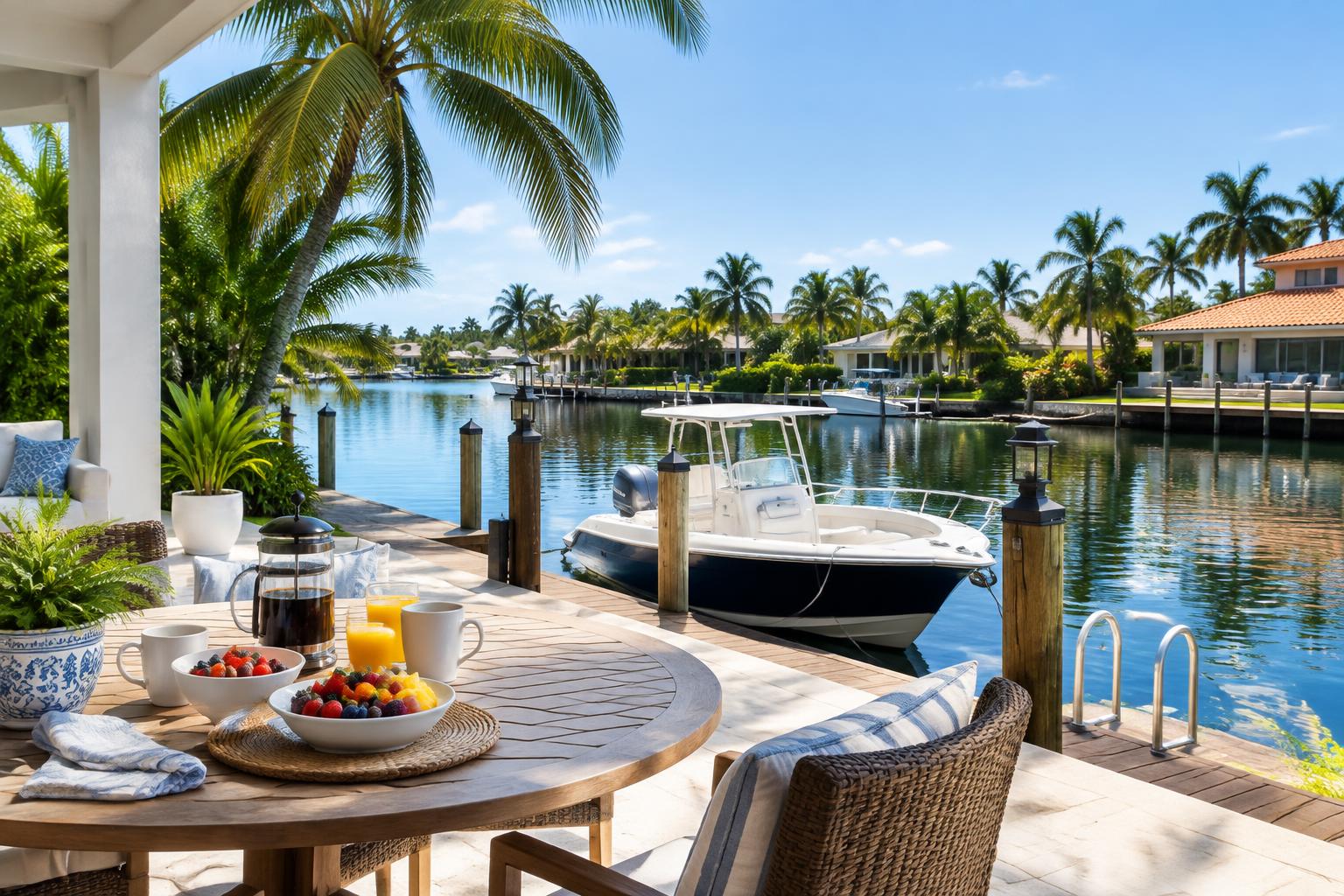
In New York City, your apartment is often a place to sleep and store your belongings; your lifestyle is lived out in the streets, subways, and parks. In Fort Lauderdale, the script flips. Your property becomes the primary hub of your recreation.
As of November 2026 on our site, there are 2,812 active homes in Fort Lauderdale, with a median list price of $750,000. For those looking for the quintessential South Florida experience, 1,182 of those listings are waterfront properties, which command a median list price of $1,050,000. When you move into a house with a pool, a patio, and perhaps a private dock, you stop looking for the best neighborhood park and start curating your own private oasis.
If you are considering this jump, you need to understand the cost of this shift. You can view all current listings in the city to get a baseline for what your budget commands. Many of my clients moving from the Northeast are surprised by the reality of home maintenance here. Unlike a managed co-op or condo in the city, you are the superintendent of your Florida home. You must account for pool service, landscaping, and the specific needs of Florida’s climate. Before making an offer, always hire a local inspector who specializes in waterfront property, as they will check for seawall integrity and structural issues unique to our coast.
Your Car Becomes Your Lifeblood
Coming from a transit-heavy environment like New York, the sudden reliance on a vehicle can be a shock. In the city, your daily destinations—the bodega, the office, the gym—are often walkable or a short train ride away. Here, the layout of the city necessitates a car.
Before you commit to a zip code, map out your daily life. If you are working remotely, proximity to the airport or specific social hubs might matter more than proximity to a highway. If you are commuting, understand that "Florida traffic" is a distinct beast. I always tell my clients to test their commute at 8:00 AM on a Tuesday before they commit to a neighborhood.
When searching, prioritize areas that offer the specific lifestyle amenities you value. You can search waterfront-specific listings here to see if the inventory matches your vision of a Florida lifestyle. Remember, if you are buying a waterfront property for the purpose of boating, the dock is just as important as the floor plan. Use our Dock & Draft Match tool to ensure your vessel actually fits the depth and width of the canal or slip associated with a potential property. We also organize homes by boat size to ensure you don't find the perfect house only to realize your yacht has nowhere to sit.
Weekends Are Built, Not Found
In New York, your weekend is often defined by external events: a museum exhibition, a Broadway show, or a restaurant opening. In Fort Lauderdale, your weekends are often created in your own backyard. For many of my clients, a Saturday morning begins with walking out the back door and stepping onto a boat.
This change in pace is the "Florida shift." However, living this lifestyle requires understanding the local tax and ownership rules. If you are making this your primary residence, you absolutely must look into the Florida Homestead Exemption. This can significantly reduce your tax burden, but you need to understand the filing deadlines and residency requirements, which are strictly enforced.
When evaluating a neighborhood, don't just look at the house. Look at the neighbors. Are they also boaters? Is there a sense of community around the canal? I recommend reading our Fort Lauderdale waterfront neighborhood comparison to understand the subtle differences between areas like Las Olas, Coral Ridge, or Rio Vista. Each has a different "vibe"—some are high-energy with quick ocean access, while others are tucked away and offer more privacy.
The House Isn't the Point
The biggest mistake I see buyers make is treating this like a commodity transaction—trying to find a "better deal" per square foot than they could get in Manhattan or Brooklyn. That is the wrong metric. The objective is to find a property that facilitates the lifestyle you have been dreaming about, not just a structure that is physically larger than your old apartment.
Before you make the move, you should have a clear understanding of your expected overhead. I have compiled a guide on the cost of living in Fort Lauderdale to help you set realistic expectations for expenses beyond the mortgage. Moving to Florida is a lifestyle reset, and it requires a different kind of financial planning than life in the North.
If you are currently living in New York and wondering if the transition will actually suit your personal habits, check out our guide on moving from New York to South Florida. It covers the practical, emotional, and social adjustments you will need to prepare for, from how we handle hurricane preparation to the general pace of life down here.
A Practical Checklist for the Relocator
When you are ready to start looking, I suggest a methodical approach:
- Clarify your "Why": Is it the boating? The weather? The tax benefits? Prioritize these before looking at a single house.
- Verify the Rules: Before putting money down on a waterfront home, verify the local regulations regarding dock modifications or bridge heights if you have a sailboat. These are not things you want to discover after closing.
- Check the History: Always ask for the survey and look into the history of the property's flood insurance. As of November 2026, the market remains active, but you must be diligent about due diligence.
- Consult the Experts: Do not rely on generic national advice. Use a local guide who understands the specific nuances of the Fort Lauderdale market. You can read my client reviews to see how I have helped others successfully navigate this exact transition.
If you are ready to transition from a high-rise to a home with a dock, or you need help selling your current property to fund the move, we can look at the market together. The transition from New York to South Florida is a major life milestone. It deserves a planned, professional approach.
Next step: When you are ready to discuss your specific requirements and verify which Fort Lauderdale neighborhoods align with your lifestyle goals, give me a call directly at 954-562-1798.