
By Simon Gedz, Local Realtor
Charles Rutenberg Realty · 30+ years of South Florida market expertise · Published October 21, 2026
Originally published in the S.G. Trust Team Newsletter.
You bought the waterfront home because you wanted the water. There is nothing quite like waking up in Fort Lauderdale, stepping onto your patio, and watching the boats glide by on the Intracoastal or through the canals of Las Olas. But as a Realtor who has been navigating this market since 1995, I tell my clients that the water is more than just a view—it is a demanding business partner.
When you look at the raw numbers, the premium is clear. As of November 2026 on our site, we are tracking 2812 active homes in Fort Lauderdale with a median list price of $750,000. When you filter specifically for the 1182 waterfront properties currently on the market, the median jumps to $1,050,000. That difference isn't just for the view; it’s for the infrastructure that keeps your home standing and your boat floating. If you are browsing our Fort Lauderdale waterfront homes inventory, you need to look beyond the curb appeal and factor in the hidden costs of maritime living.
The Dock and Seawall Reality
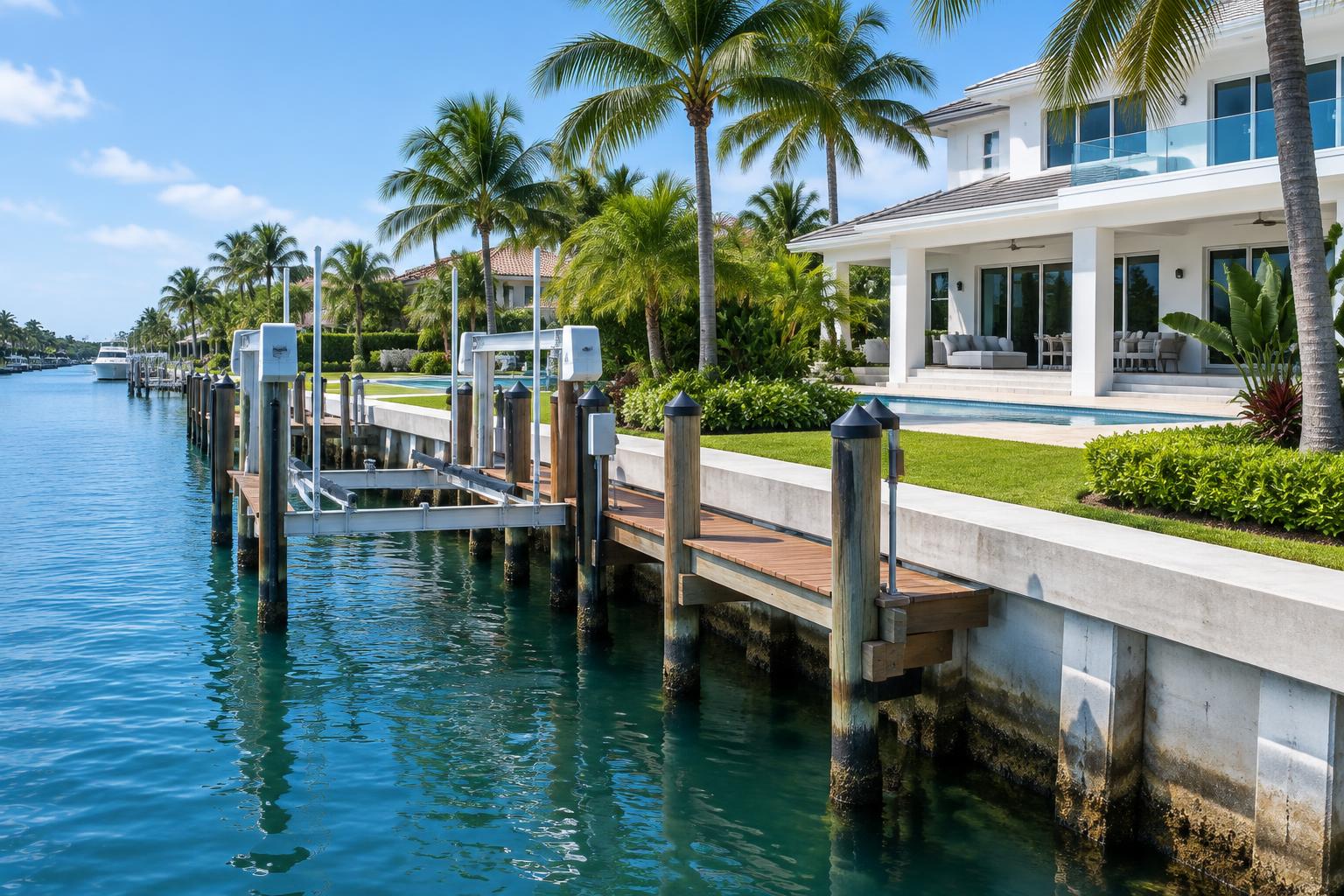
If your property has dock infrastructure, it needs to remain functional for your specific vessel. I have seen too many buyers purchase a dream home only to realize their 40-foot yacht doesn’t fit due to beam restrictions or draft issues. Before you fall in love with the deck, use our Dock & Draft Match boat-fit search to ensure the hardware actually supports your boat.
The seawall is the most critical component of your waterfront investment. In South Florida, salt water is relentless. You must have a professional inspection performed by a marine contractor—not just a standard home inspector—to check for "weeping," cracking, or signs of erosion behind the wall. Repairs or replacements can easily run into the tens of thousands of dollars. Always ask for the seawall’s age and maintenance history during the due diligence period.
Exterior Exposure and Salt Air
South Florida homes live in a demanding environment. If you are moving here from the Northeast, you might be used to snow removal, but here, the primary enemy is salt. Salt air corrodes HVAC coils, light fixtures, window tracks, and patio furniture much faster than in inland neighborhoods like Victoria Park or Coral Ridge.
I recommend a strict maintenance checklist:
- Rinse your exterior windows and metal railings with fresh water monthly to prevent salt buildup.
- Have your HVAC system serviced quarterly; a failing compressor in the July heat is an emergency you want to avoid.
- Budget for high-quality, marine-grade outdoor finishes.
Managing the Grounds
Many waterfront homes in neighborhoods like Rio Vista or Bay Colony include extensive outdoor living areas. When you move from a condo to a large waterfront estate, you aren't just maintaining a house; you are managing a small ecosystem. You have pool pumps, filtration systems, landscaping that requires specialized fertilization to withstand salt spray, and often complex irrigation systems.
A common mistake is underestimating the cost of landscaping. Coastal flora needs constant trimming to keep hurricane-resistant, and high-end lawns require consistent irrigation. Verify with your local city ordinance if there are specific restrictions on tree removal or planting in coastal zones. You should also brush up on your Florida homestead exemption guide to see how these ownership costs might interact with your tax obligations.
The Bigger Property Matter
A buyer moving from a Manhattan apartment is often surprised by how many components belong to a large single-family property. In an apartment, your "maintenance" is a monthly HOA fee. In a waterfront home, you are the HOA. You are responsible for the roof, the dock, the seawall, the boat lift, the landscape, and the security systems.
For those transitioning from urban living, I highly suggest reviewing our Fort Lauderdale waterfront neighborhood comparison to understand the differences in property types. Some areas have deeper water for larger vessels, while others offer more intimate canal settings but require stricter adherence to navigational depth rules. You can also look at homes categorized by boat size to better align your search with your lifestyle.
Don't Let This Discourage You
The objective isn't to avoid waterfront ownership. It is to budget for the property you are actually buying. When we run the numbers as of November 2026 on our site, it is evident that the demand for waterfront living in Fort Lauderdale remains incredibly robust. The key is to enter the transaction with eyes wide open.
Before you make an offer, ensure your agent has access to the structural history of the dock and seawall. If you are selling your current residence to move into a waterfront property, you can explore the process of selling with Simon to ensure you have the capital ready for your next investment. I have spent decades helping clients verify the "hidden" costs—from hidden seawall damage to potential HOA restrictions on boat storage—so that the only thing you have to focus on is the sunset.
For those just starting their search, explore the broader Fort Lauderdale city real estate market to get a baseline for your search, and always check our client reviews to see how we help buyers navigate the specific complexities of the Florida market.
A Practical Checklist for Buyers
- Seawall Inspection: Always hire a marine engineer. Do not skip this.
- Flood Insurance: Verify if the property is in a high-risk zone and check for existing elevation certificates.
- Dock Permits: Verify that the current dock configuration is fully permitted with the city and the Department of Environmental Protection. Unpermitted structures can be a nightmare to rectify.
- HOA/Deed Restrictions: Some waterfront neighborhoods have specific rules regarding boat types, noise, or exterior paint colors. Read the bylaws before you commit.
- Utility Costs: Waterfront homes often have larger footprints. Look at the last 12 months of utility bills to understand what it costs to keep the air conditioning running in the peak of summer.
If you are concerned about the logistical or financial transition, you might find my thoughts on the cost of living in Fort Lauderdale helpful as you calculate your annual overhead. If you are relocating from out of state, my guide on moving from New York to South Florida can help you prepare for the shift in property taxes and maintenance expectations.
Maintenance shouldn't be an afterthought. It should be part of your joy. When you treat the waterfront property with the respect it requires, it becomes a fantastic asset that offers a quality of life you simply cannot find anywhere else.
If you are ready to explore your options, or if you simply want to talk through the pros and cons of a specific property you have seen, let’s talk. I have been helping families and investors make smart decisions in this market for over three decades, and I am happy to share that expertise with you.
Next step: Call Simon Gedz at 954-562-1798 to discuss your waterfront criteria and schedule a private tour of the current inventory.