
By Simon Gedz, Local Realtor
Charles Rutenberg Realty · 30+ years of South Florida market expertise · Published October 16, 2026
Originally published on the S.G. Trust Team blog.
A home can look perfect during a weekend open house and still deserve a careful, professional inspection. I have been helping clients navigate the South Florida market since 1995, and if there is one constant truth I have learned, it is this: inspection is about understanding the property—not assuming something is wrong with it. When you are looking at Fort Lauderdale homes for sale, where there are 2812 active homes as of November 2026 on our site with a median list price of $750,000, you need to look past the staging.
Don't Judge Condition by Appearance
Fresh paint, brand-new stainless steel appliances, and beautiful staging don't tell you everything about the bones of a home. Buyers are often enamored by the aesthetic choices made by a seller, but in South Florida, the real concerns are usually hidden behind the walls. Our climate is unforgiving. Humidity, salt air, and heavy seasonal rains take a toll on structures that a casual walk-through cannot uncover.
Whether you are looking at a historic bungalow in Victoria Park or a mid-century home in Coral Ridge, you must have an inspector who understands the specific vulnerabilities of Florida construction. They should be looking for signs of past moisture intrusion, the age of the electrical panel, and the status of the roof. Never skip the inspection just because a home looks pristine; the most expensive problems are often the ones you cannot see from the living room sofa.
Every Property Is Different
The inspection priorities for a condo in downtown Fort Lauderdale will differ significantly from those for a large single-family home. In a condo, your inspection focus is primarily on the interior—plumbing systems, HVAC functionality, and signs of leaks from neighbors above. You should also verify the status of the building’s reserves and upcoming special assessments by reviewing the association documents, which is a different kind of inspection entirely.
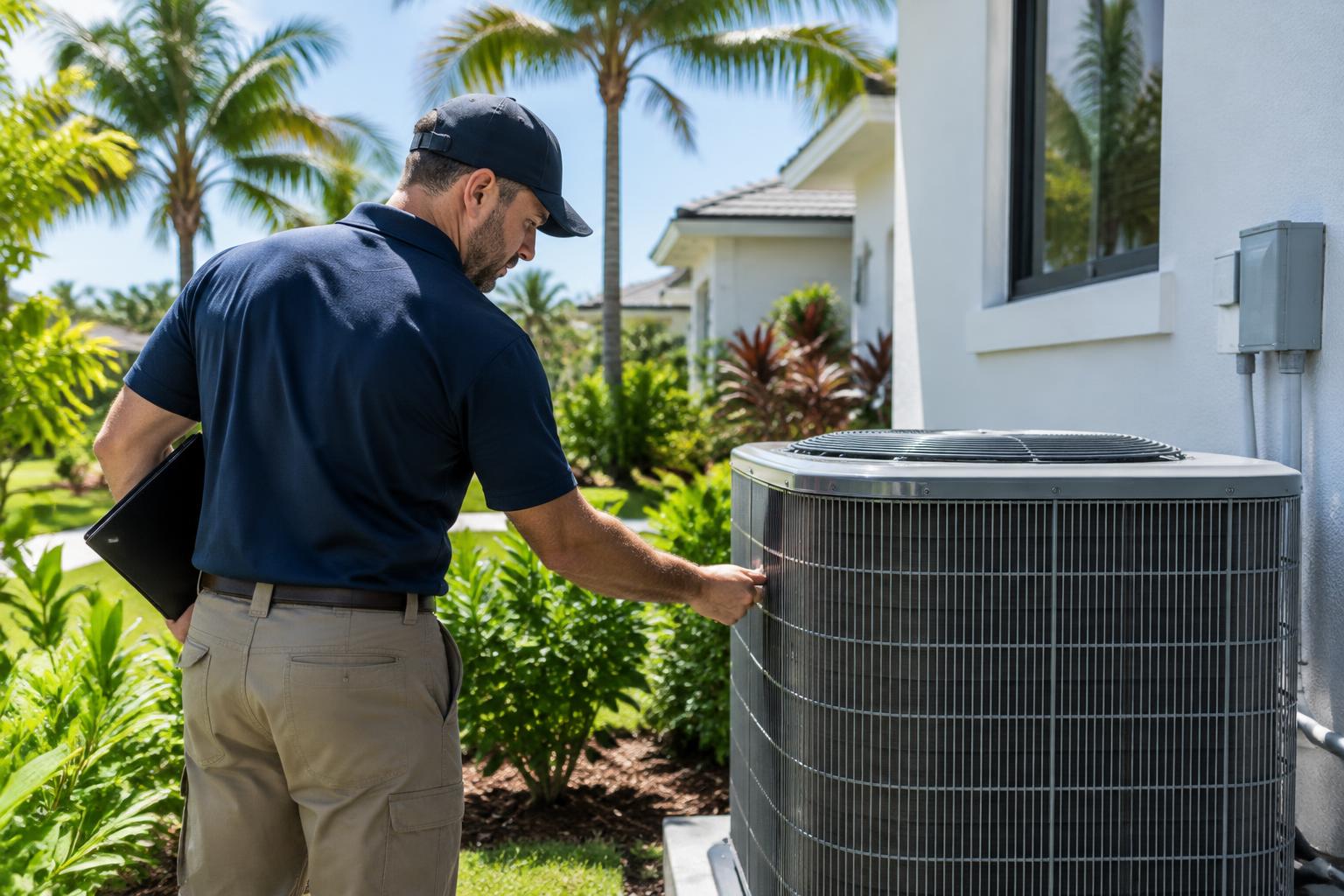
Conversely, for a single-family home, your scope expands to the entire building envelope, the attic, the crawl space, and the perimeter of the foundation. I always advise my clients to look closely at the age of the HVAC and water heater. If a unit is nearing the end of its life, that is not necessarily a dealbreaker, but it is a data point you need for your future financial planning.
Waterfront Adds Another Layer
When you move into the luxury segment, particularly with the 1182 waterfront properties listed as of November 2026 on our site (with a waterfront median list price of $1,050,000), the inspection process requires specialized eyes. You are not just buying a house; you are buying a piece of property that interfaces with the Intracoastal or the canals.
If you are searching for waterfront homes, do not forget the parts of the property connected to the water. A standard home inspector is often not qualified to assess the structural integrity of a seawall or the mechanical operation of a boat lift. You should hire a marine engineer or a dock specialist to inspect the seawall for cracks, concrete spalling, or shifting. Furthermore, if you own a vessel, you should use our Dock & Draft Match tool to ensure the property can actually accommodate your boat’s draft and size. Always verify the status of any required marine permits for your waterfront homes by boat size needs, as unpermitted docks can become a major headache during future title transfers.
Newer Doesn't Mean Inspection-Free
A common misconception I encounter is that a newer home—or a "gutted to the studs" renovation—is inspection-free. Nothing could be further from the truth. In fact, I often find more issues with recent flips than I do with well-maintained older homes. Why? Because sometimes the rush to get a property back on the market leads to corners being cut, improper electrical grounding, or HVAC systems that are not properly sized for the square footage of the home.
Even if the home was built in 2025, you should still conduct a full inspection. You are looking for craftsmanship errors, potential issues with permit compliance, and systems that may have been installed by unlicensed handymen. Use my Fort Lauderdale waterfront neighborhood comparison to understand the typical build quality in the area you are considering.
Use Qualified Professionals
When specialized questions arise, use professionals who are appropriate for those areas. A general home inspector is a jack-of-all-trades, which is great for a high-level overview. However, if they find evidence of a foundation crack, you should call a structural engineer. If they find signs of mold, call an industrial hygienist. If the roof looks suspicious, get a licensed roofing contractor to provide a detailed report.
In Florida, we also pay close attention to the wind mitigation report and the four-point inspection. These are not just for your peace of mind; they are essential for your insurance premiums. Before you finalize your purchase, look into the Florida homestead exemption guide to understand your tax liabilities, and ensure you have reviewed the cost of living in Fort Lauderdale to keep your expectations aligned with reality. If you are relocating from out of state, my guide on moving from New York to South Florida may provide additional context on how our local procedures differ from your current home state.
The Goal Isn't to Find Reasons to Walk Away
I often tell my buyers that the goal of an inspection is not to find a reason to walk away from a deal. The goal is to know exactly what you are buying. Every home has some level of maintenance required; no home is perfect. The inspection is simply a tool to help you negotiate repairs or credits and to provide you with a "to-do" list for when you move in.
Once you have your report, we sit down and categorize the findings. We look for:
- Safety hazards (e.g., electrical issues, gas leaks).
- Major structural problems.
- Near-term maintenance items (e.g., an aging water heater).
- Cosmetic concerns.
Having this information helps you make a better, more confident decision. It removes the guesswork and replaces it with facts. If you are currently in the market, I suggest reading my comprehensive South Florida step-by-step home buying guide to see where the inspection fits into the broader timeline of your transaction. You can also look at my client reviews to see how past buyers have navigated these inspection hurdles.
Next Steps for Your Home Search
If you are ready to start your search for a property in the Fort Lauderdale area, you need a partner who understands the local landscape—from the foundation of the home to the depth of the water at the dock. Whether you are buying or thinking about selling, I am here to provide the local expertise you need to make an informed decision. For a consultation on your specific needs, please call me, Simon Gedz, at 954-562-1798.
