
By Simon Gedz, Local Realtor
Charles Rutenberg Realty · 30+ years of South Florida market expertise · Published November 1, 2026
Originally published on the S.G. Trust Team blog.
This is one of the most practical questions second-home buyers should ask before purchasing. I have been helping clients navigate the South Florida market since 1995, and I have seen many buyers fall in love with a property without considering the reality of owning it from afar. Whether you are looking at homes for sale in Fort Lauderdale or searching for that perfect waterfront home, the maintenance requirements are the hidden cost of paradise. As of November 2026 on our site, there are 2,812 active homes in Fort Lauderdale with a median list price of $750,000, while the 1,182 waterfront properties carry a median list price of $1,050,000. These price points often come with complex, high-end mechanical systems that do not like to sit idle.
Who Watches the Property?
If you are going to be away for weeks or months, you cannot rely on luck. Humidity, tropical storms, and the occasional plumbing gremlin wait for no one. You need a boots-on-the-ground professional. Do not rely solely on a neighbor to pick up your mail. You need a licensed, bonded home watch service.
These professionals provide a documented checklist. They should be looking for signs of roof leaks after heavy rain, checking that your A/C units are cycling correctly, and ensuring that no pests have taken up residence in your absence. If you own a boat, use my Dock & Draft Match tool to ensure your slip and dock are maintained properly, as these are exposed to the elements 24/7.
Think About Routine Services
In South Florida, "maintenance" is a full-time job because the climate is aggressive. Plants grow rapidly, pools can turn green in days if the pump fails, and moisture buildup can lead to mold issues in a single season. Depending on the property, you need a pre-vetted roster of vendors:
- Pool care: In our climate, a weekly visit is the standard. If your pool pump loses prime while you are away, you may face expensive equipment repairs or a major cleanup.
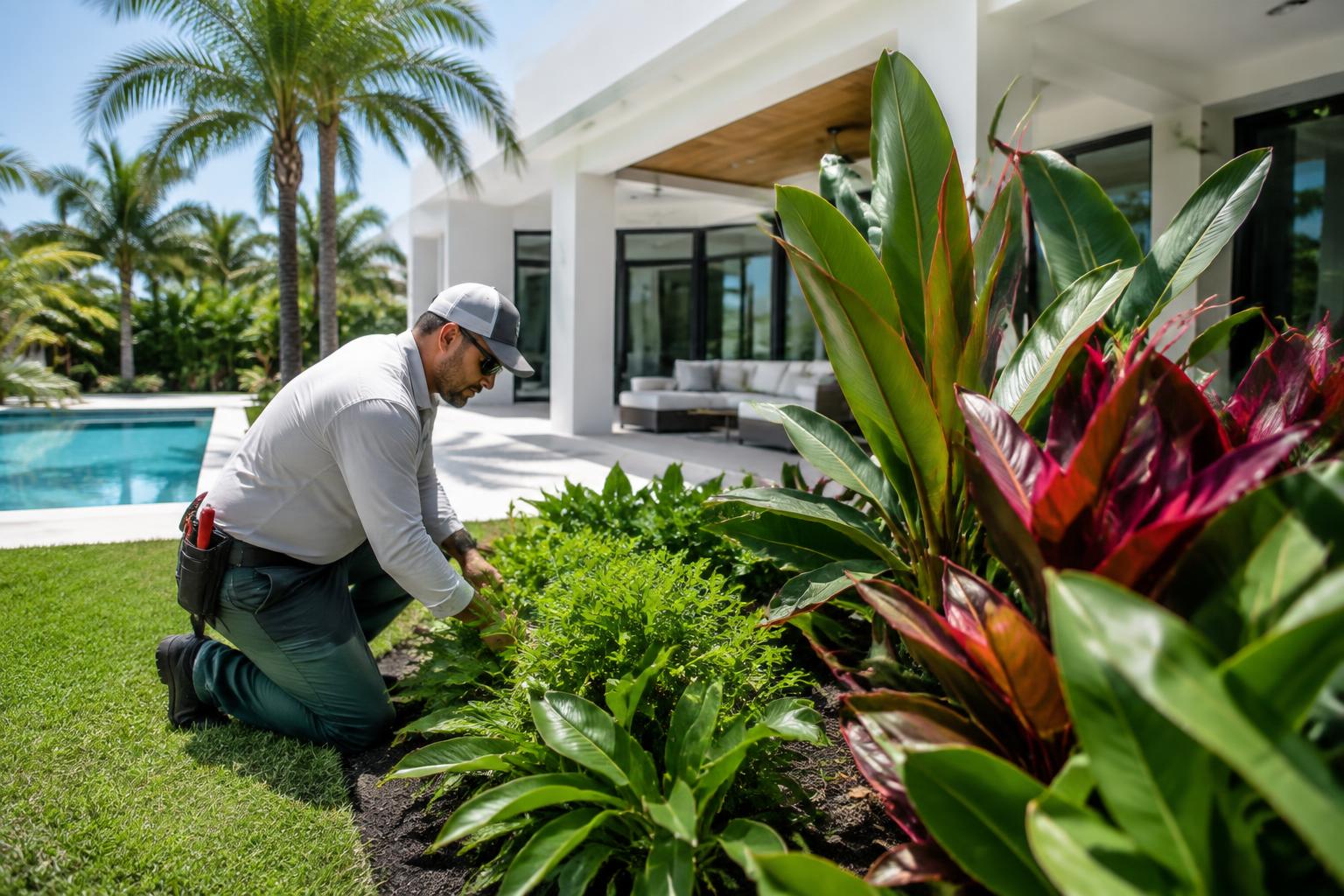
- Landscaping: This includes more than just mowing. You need someone to watch for invasive growth and tree limbs that might damage your roof during our summer storm season.
- Cleaning: Even if you aren't there, a monthly "freshening" visit keeps dust from accumulating and allows someone to walk through the home to verify that everything looks, smells, and feels normal.
- Pest control: Florida insects are persistent. Regular interior and exterior treatments are a non-negotiable expense.
- A/C maintenance: Our units run year-round. Schedule a service call before you depart for the season and another one shortly before you return.
Think About Systems
Smart-home technology is a fantastic ally for the absentee owner. I always recommend installing a smart thermostat that allows you to control the humidity levels remotely. If the humidity exceeds a certain percentage, you can adjust the A/C to prevent mold growth. Smart leak sensors placed under sinks, near water heaters, and behind toilets can send an alert directly to your phone the moment water touches the floor. Combine these with high-definition security cameras, and you can visually verify that your home is secure without needing to call someone every time you feel a bit anxious.
Condos Work Differently
Many of my clients gravitate toward condos because they prefer the "lock and leave" lifestyle. In a condo, the building association typically handles exterior maintenance, roof repairs, and landscaping. However, do not mistake "shared responsibilities" for "zero responsibility."
You are still responsible for everything from the drywall inward. You must understand your association's rules regarding unit access. If a pipe bursts in the unit above you, the building management needs to be able to enter your home to assess damage. Keep a spare key with your property manager or a trusted local contact—never leave it in a lockbox where it can be easily compromised. Additionally, ensure you understand the insurance requirements for your unit, as they often differ from single-family home policies.
Prepare Before You Leave
Create a consistent "departure routine" and stick to it every time. My checklist for clients typically includes:
- Water main: If you plan to be gone for more than a few days, turn off the water main. It is the single most effective way to prevent catastrophic interior damage.
- Appliances: Unplug small electronics and appliances to protect them from the power surges we often experience during summer lightning storms.
- Fridge: Empty the refrigerator of perishables. Wipe it down, leave the door slightly ajar if you are turning the unit off (or keep it running if you are storing items), and check the ice maker.
- Windows and Blinds: Close all hurricane shutters if you are heading out for the season, and keep your blinds closed to protect your furniture from the intense sun.
- Documentation: Keep a physical folder in a central location that lists your vendors, their contact numbers, and your account details. Even in a digital world, this is a lifesaver for whoever has to fix a problem in your home.
Don't Wait for a Problem
The best time to figure out who will handle an issue is long before there is one. When I help clients sell or purchase property, we discuss the "maintenance network" as part of the due diligence process. If you are looking at specific neighborhoods, you should check out my neighborhood comparisons to understand how different areas impact your home’s exposure to the elements.
Remember, if you are moving from out of state, there are also tax and residency considerations. I often point clients toward my Homestead Exemption guide and my advice on moving from New York to South Florida to ensure they are set up correctly from a legal and financial standpoint.
Owning a second home in Fort Lauderdale is a privilege, but it comes with a responsibility to the structure itself. Whether you own a massive waterfront estate or a cozy condo, the key is proactivity. Do not wait for a maintenance request to be filed or for a neighbor to call you with bad news. Build your team of local experts now, set up your monitoring systems, and you will find that the time you spend here is much more relaxing.
Read more about the realities of ownership in my full South Florida second-home buyer’s guide and check out our client reviews to see how we have helped others manage this transition successfully. If you have questions about specific properties or need help finding a home that fits your lifestyle requirements, I am always happy to talk through the specifics with you.
Next step
If you are planning to buy a second home and want to ensure you have a solid plan for its care, or if you simply want to discuss the current market, call me at 954-562-1798. Let’s get your search started on the right foot.