
By Simon Gedz, Local Realtor
Charles Rutenberg Realty · 30+ years of South Florida market expertise · Published October 18, 2026
The base price of a new construction home in South Florida always catches your attention. It is the number you see on the sign or the listing site, and it is usually designed to get you through the front door of the sales center. But then, you sit down with the design consultant, and the upgrade list comes out. Suddenly, the property can become significantly different—both in quality and price—from the one you originally budgeted for.
Since 1995, I have guided buyers through these design centers across Broward and Palm Beach counties. I’ve seen clients walk in with a budget and walk out with a mortgage payment that surprises them. As of November 2026 on our site, we are tracking 2812 active homes in Fort Lauderdale with a median list price of $750,000. When you move into the specialized luxury market—specifically the 1182 waterfront properties currently listed—that median jumps to $1,050,000. When you are paying these premiums, you have to be disciplined about where that extra capital goes.
Separate Wants From Needs
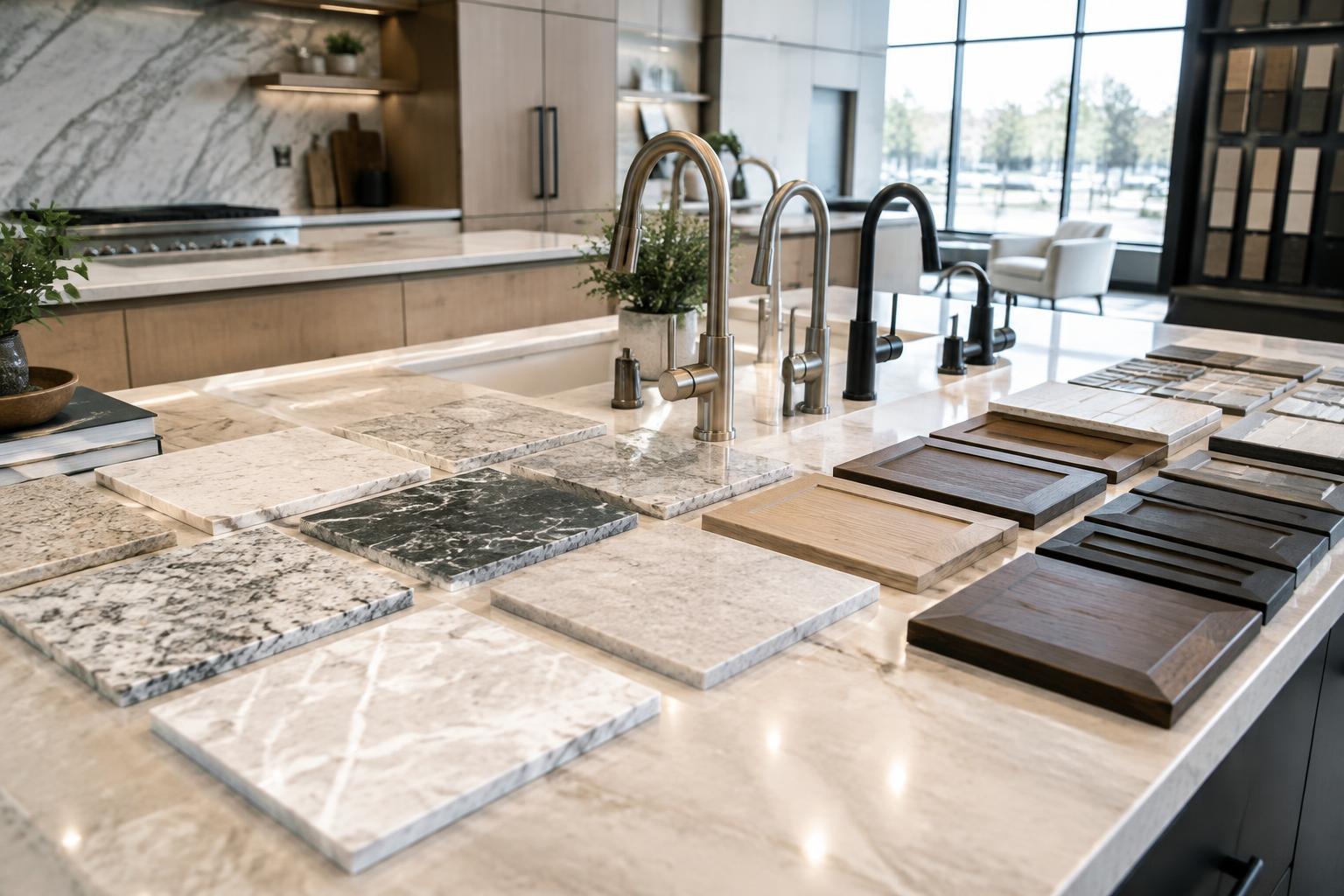
The biggest mistake I see buyers make is approaching the upgrade selection process emotionally. You are looking at beautiful model homes with the best finishes, and it is easy to convince yourself that you "need" those waterfall quartz islands or the designer tile work. Before you pick up the pen, create three categories: Must Have, Would Like, and Don't Care.
If it is not a "Must Have," leave it off the initial list. This prevents every attractive option from becoming an automatic, impulsive upgrade. If you are shopping for a new home in Fort Lauderdale, focus your "Must Have" list on items that define the structure, like the number of bedrooms, the ceiling height, or the location of the lot within the community. Everything else is secondary.
Focus on Difficult-to-Change Features
Some things are much easier to change after closing than others. I tell my clients to put their money into features that would be expensive, messy, or disruptive to change later.
Structural upgrades, such as adding a structural footer for a future pool, extending a patio, or increasing the size of a garage, are nearly impossible to do after the Certificate of Occupancy is issued. Electrical rough-ins for future ceiling fans or specific high-end lighting fixtures are also a pain to add after the drywall is up. If you are eyeing a waterfront property, consider upgrades to your dock or seawall access now. Adding a heavy-duty piling or upgrading the electrical service to your dock for a boat lift is significantly more affordable during the build than as a retro-fit. If you have specific questions about how your boat fits into the local canal systems, you can use our Dock & Draft Match boat-fit search to ensure your property choice aligns with your vessel requirements.
Conversely, do not overspend on finishes you can hire a contractor to swap out in five years. Cabinet hardware, paint colors, light fixtures, and even faucets are items you can easily replace when you want a refresh. Don't pay the developer's premium—and the developer's markup—for these small cosmetic items.
Don't Upgrade Only for Resale
You are buying the home to live in, not for a theoretical future buyer. Choose features that you will actually enjoy every day. If you love to cook, invest in the high-end appliance package or the smart-home kitchen integration. If you are a remote worker, put the money into soundproofing the office or increasing the data cabling throughout the house.
However, do not ignore future buyers entirely. Highly unusual, eccentric customization may fit you perfectly while appealing to a very small audience later on. In South Florida, there are certain standards buyers expect at specific price points. If you are buying a home in the $1M+ range, having luxury flooring is an expectation. If you choose an obscure, neon-patterned tile, you might find that you are the only one who appreciates it, which makes the home harder to sell later. Balance your personal tastes with the neutral, high-quality standards that generally hold their value.
Track the Total
An individual upgrade may not seem significant. Perhaps the upgraded floor tiling is only $4,000. The lighting package is another $3,000. The smart-home system is $5,000. Individually, these numbers feel manageable, but twenty upgrades can add $50,000 or $100,000 to the bottom line before you realize it.
Always keep a running total. In the current market, where the median list price is $750,000, adding $100,000 in upgrades significantly changes your debt-to-income ratio and your monthly payment. Before signing off on anything, check your local property tax implications and ensure you have reviewed my Florida homestead exemption guide to understand what your taxes will actually look like once the property is assessed at the full purchase price.
A Note on Construction Deadlines
New construction in Florida is governed by specific contract timelines. When you commit to a build, you are entering into a contract that usually favors the builder. You need to verify what is included in the base price versus the "model home" price. Never assume that the model home reflects what you are getting for the base price. I recommend that every buyer go through the house with a checklist and a representative who knows what to look for—such as proper moisture barriers, impact-resistant windows, and energy-efficient insulation.
If you are selling a home to fund this new purchase, ensure your timing is synchronized. You do not want to be caught paying for a temporary rental while waiting for a closing date that keeps getting pushed back. For those transitioning into the area, specifically those moving from New York to South Florida, the local neighborhood dynamics can vary wildly between cities like Fort Lauderdale, Pompano, and Boca Raton. It is worth reviewing a Fort Lauderdale waterfront neighborhood comparison before you lock in a lot.
Verify Everything
Never take a sales associate’s word as gospel when it comes to the "final" price or the inclusion list. Get everything in writing. If they promise a specific quality of countertop or a specific brand of windows, verify that those items are explicitly listed in the addendum of your purchase agreement. If you are looking at luxury homes by boat size, verify the depth of the water at low tide personally or through a surveyor; do not rely on the builder's brochure for canal depth.
You should also look into the reputation of the builder. Read the reviews of previous projects, and if possible, talk to neighbors in a community that builder completed two or three years ago. Ask them about the "punch list" items—the things that broke or needed fixing shortly after move-in.
Buying new construction in South Florida can be a great way to get a home that fits your life perfectly, but it requires a builder who delivers and a buyer who knows exactly where to draw the line.
Read the complete Fort Lauderdale new-construction buyer guide to learn more about the process.
If you are ready to explore your options or need help navigating the design center process, I am here to help. Call me at 954-562-1798.
