
By Simon Gedz, Local Realtor
Charles Rutenberg Realty · 30+ years of South Florida market expertise · Published November 2, 2026
I have been a Realtor in South Florida since 1995. In that time, I have watched markets peak, valley, and shift in ways that surprise even seasoned professionals. The allure of the Sunshine State—the lack of state income tax, the lifestyle, and the weather—is undeniable, but it is not a magic wand that turns every purchase into a profitable investment. As of November 2026 on our site, there are 2,812 active homes in Fort Lauderdale with a median list price of $750,000. Within that pool, there are 1,182 waterfront properties with a median price of $1,050,000. Those numbers are significant, but they don't tell the whole story of what happens after the closing table.
Here are the ten most common mistakes I see investors make, and how you can avoid them.
1. Buying Because “Everyone Is Moving to Florida”
Broad migration trends are great for headlines, but they don’t pay your mortgage. I often see buyers get swept up in the “FOMO” of the Florida real estate market. Just because demand exists in the state doesn't mean it exists for a specific condo in a specific building or a house on a specific street. Always run your own numbers based on the micro-market. You can browse current homes for sale in Fort Lauderdale to see exactly what is sitting on the market versus what is moving.
2. Assuming Appreciation
If you buy expecting the market to double in five years, you are speculating, not investing. Market cycles are real. When you analyze a property, look at cash flow and utility first. If the property can carry itself through a flat market, the appreciation becomes a bonus rather than a requirement for success.
3. Ignoring Rental Restrictions
This is the single biggest trap for condo buyers. Many buildings in South Florida have strict rental caps or waiting periods for new owners before they can lease out their units. Always check the governing documents. If you buy a unit intending to rent it out immediately, but the association requires you to hold it for two years first, your business plan is dead on arrival.
4. Underestimating Insurance
In Florida, insurance is not a line item you can guess. You need to obtain a preliminary insurance quote for any property you are seriously considering. Between windstorm, flood, and general hazard insurance, costs vary wildly based on the year of construction, the roof age, and the FEMA flood zone. Verify if the property requires mitigation reports to get better rates.
5. Ignoring Association Costs
In a condo or HOA, the monthly fee is only the start. You must request the board meeting minutes and financial statements. Are there impending special assessments for concrete restoration, roof replacement, or seawall repairs? A "low" monthly fee that hides a massive looming assessment can wipe out your profit margin for years.
6. Forgetting Maintenance
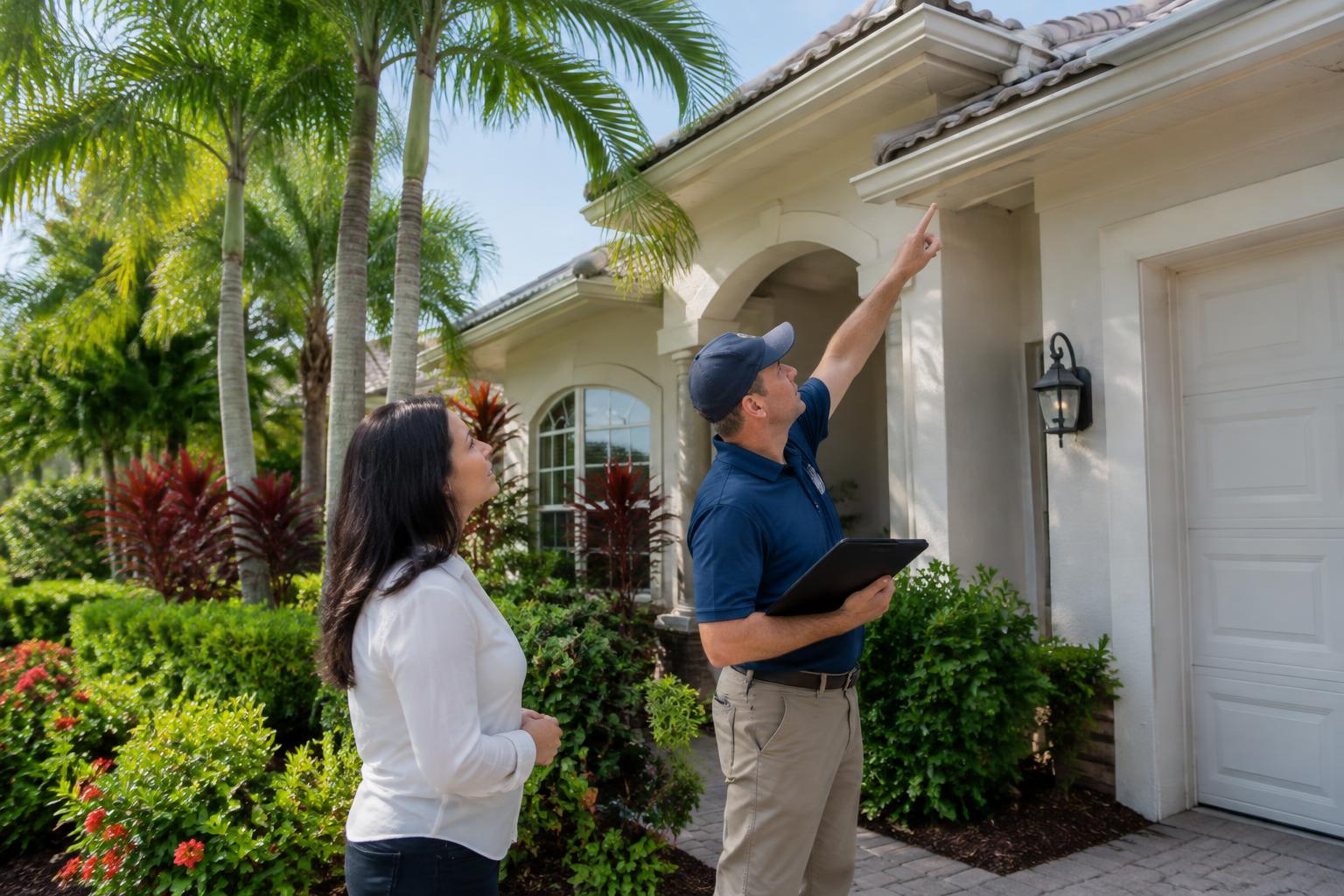
South Florida is a harsh environment. Salt air eats metal, humidity breeds mold, and our sun destroys paint and roofs. If you are buying an older home in a neighborhood like Coral Ridge or Victoria Park, budget for higher maintenance costs than you would in a colder climate. Never skip the inspection—and always hire an inspector who specializes in the specific type of property you are buying.
7. Ignoring Vacancy
Investors often calculate income based on 100% occupancy. That is a mistake. Even in high-demand areas, you should factor in at least one month of vacancy per year for turnover, cleaning, and repairs. If the investment doesn't make sense with a 90% occupancy rate, you are likely overpaying.
8. Buying Waterfront Without Waterfront Due Diligence
Waterfront property is the crown jewel of our region, but it requires specialized knowledge. You aren't just buying land; you are buying a piece of the marine ecosystem. Check the depth of the canal, the state of the seawall, and the "boat-fit" capability. You can use our Dock & Draft Match tool to ensure the property matches your maritime needs. For those looking at waterfront homes in Fort Lauderdale, be sure to review our waterfront due-diligence checklist before you sign a contract.
9. Mixing Personal Emotion With Investment Analysis
If you plan on spending three months a year in the property, acknowledge that it is a lifestyle purchase, not a pure investment. When you treat a property as a vacation home, you might prioritize a high-floor view or a specific interior finish that doesn't necessarily generate higher rental income. Be honest about your goals—the cost of living in Fort Lauderdale varies by neighborhood, and choosing the right area is essential for your long-term comfort and value.
10. Having No Exit Strategy
Before you sign, ask yourself: Who is my buyer in five years? If you are buying a luxury waterfront mansion, your buyer pool is smaller than if you are buying a starter home in a high-demand school district. If you don't know who would want to buy the property from you, you are taking an unnecessary risk. Even if you plan to hold it forever, a property that is "always sellable" is a safer asset.
Practical Tips for Success
When narrowing down your search, I always recommend reading up on the local neighborhoods. You can find my insights in our Fort Lauderdale waterfront neighborhood comparison. Additionally, if you are moving from out of state, there are tax implications to consider, such as the Florida homestead exemption, which can provide significant tax relief for primary residences.
If you are thinking about selling or buying, take a moment to look at what others have said about our process by reading through our client reviews. Knowledge is the best tool an investor can have, and in a market with thousands of active listings, you need to be precise. Always verify current tax rates, utility costs, and association regulations directly with the relevant agencies or the management office.
Do not guess when it comes to the numbers. Work with someone who understands the local geography and the current regulatory climate. My team and I focus on helping our clients navigate these complexities to find properties that align with their long-term financial goals. Whether you are looking for a deep-water dock for a yacht or a high-rise condo downtown, the due diligence process remains the most important step in the transaction.
Next step: If you are ready to analyze specific properties or want to discuss a strategy for your South Florida portfolio, please call me, Simon Gedz, at 954-562-1798.
