
By Simon Gedz, Local Realtor
Charles Rutenberg Realty · 30+ years of South Florida market expertise · Published October 26, 2026
Originally published: July 2024
Someone leaving Manhattan or Chicago may be accustomed to living without a car, or perhaps just one shared vehicle. They are used to high-frequency transit, walkable grids, and the convenience of a quick ride-share to the office. When clients come to me looking to relocate to South Florida, the conversation often shifts to transportation within the first hour of our property search.
South Florida requires a different mindset. Our geography is sprawling, our transit infrastructure is not comparable to the Northeast corridor, and the lifestyle we lead here—often centered around water, boating, and outdoor recreation—dictates how many vehicles you actually need in your driveway. As of November 2026 on our site, there are 2812 active homes in Fort Lauderdale with a median list price of $750,000, and for those specifically looking at our signature lifestyle, there are 1182 waterfront homes with a median list price of $1,050,000. These numbers tell you that property here is often defined by access, and that access usually requires wheels.
Your Neighborhood Matters
The most critical factor in determining your vehicle needs is the specific neighborhood you choose. If you are looking at homes for sale in Fort Lauderdale, you will find that a home near Las Olas Boulevard or in Victoria Park offers a vastly different lifestyle than a home in Coral Ridge or Rio Vista.
In some pockets of the downtown or beach corridor, you can walk to grocery stores, professional offices, and cafes. However, even in these areas, you will find that living without a car is an exercise in compromise. Most residents find that the humidity and the summer rain cycles make a two-mile walk or bike ride a challenge for daily errands. If you are leaning toward a waterfront home in Fort Lauderdale, you are almost certainly choosing a lifestyle where a car—or two—is a necessity. These properties are often tucked into residential enclaves that offer privacy and water frontage but are not designed for pedestrian-only living.
Household Size and Daily Routine
A couple moving from a high-density urban center may initially think they can maintain a one-car household. I have seen many clients attempt this, only to end up purchasing a second vehicle within three months.
Think about your daily routine:
- Work: Are you commuting to a downtown office, or are you working from home? If you are working from home, your needs are reduced, but your spouse’s commute still dictates the logistics.
- Appointments: Medical, dental, and professional services are rarely clustered in the same walkable zone as your home.
- Recreation: Do you plan on utilizing the Dock & Draft Match boat-fit search? If you are going to be out on the water, you will likely need to transport gear, supplies, or family members to the marina or your private dock.
- Shopping: Florida is the land of the "big trip" grocery run. Unless you are committed to high delivery fees, a vehicle with cargo space is a staple of the South Florida experience.
The Guest Factor
One thing my clients often overlook until they have been here for a season is the impact of hosting guests. If you buy a larger property with the intention of having friends and family visit from the north, you are effectively becoming a ground-transportation hub. If you have only one car, your mobility drops to zero the moment your guests want to head to the beach or run an errand. In South Florida, you are the taxi service when you are the host.
Don't Decide Before You Choose the Property
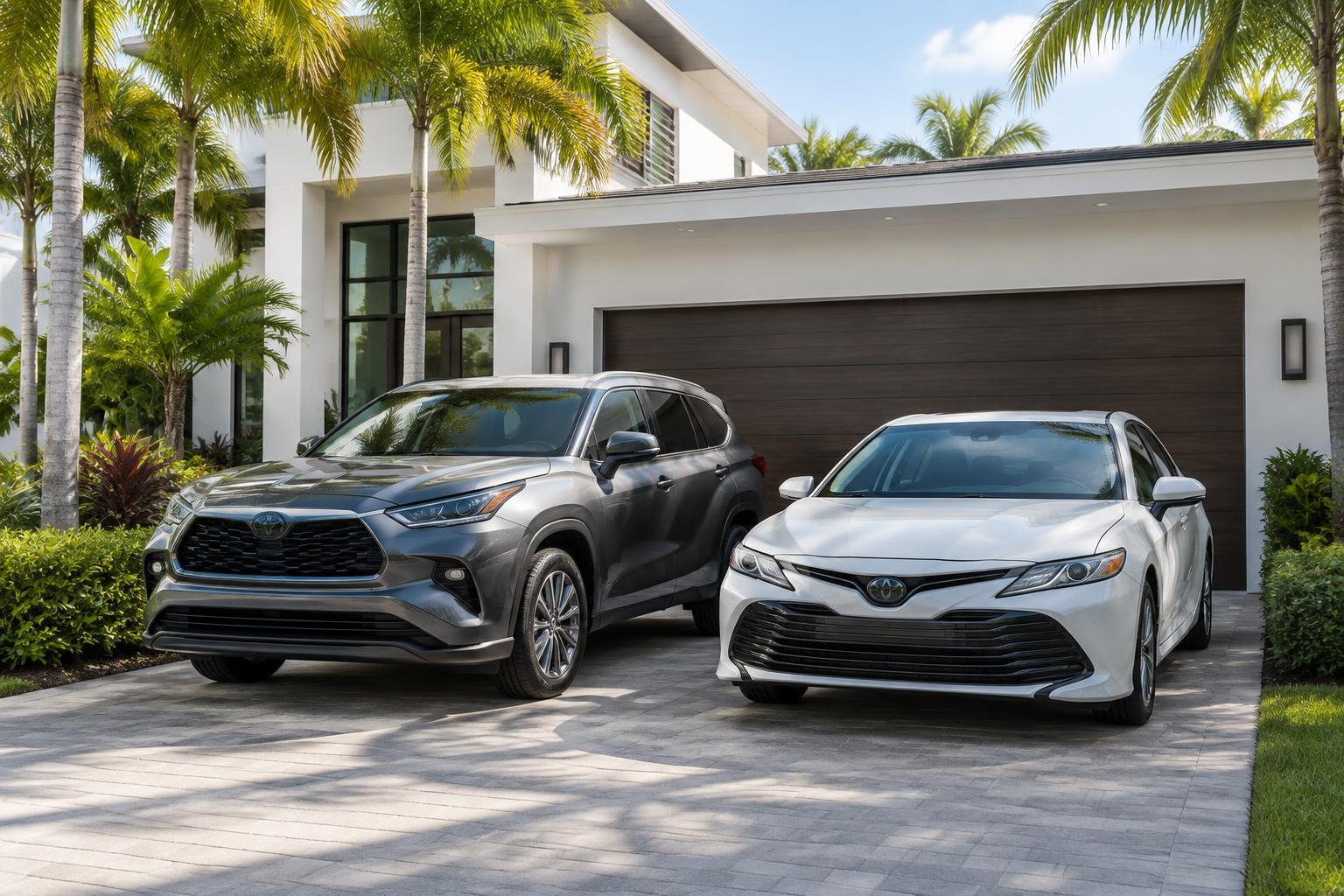
Do not make the decision to sell or keep a second car before you have actually secured your property. Every home has a different "transportation footprint." Some properties have limited off-street parking, which may make owning two cars a logistical nightmare in terms of HOA restrictions or driveway space.
If you are currently evaluating your options, I always recommend you consult my Fort Lauderdale waterfront neighborhood comparison to understand the density and layout of these areas. Additionally, if you are moving from a state with a different tax or residency structure, ensure you are familiar with the financial implications. You should verify your specific property tax benefits by reading my Florida homestead exemption guide.
The Test Run
When you are visiting potential neighborhoods, do not just look at the house. Spend a day following the routine you expect to have after moving. If you are considering a move from New York, you should review my advice on moving from New York to South Florida.
Here is a checklist for your "test run" day:
- The Grocery Run: Drive from the house to the nearest major grocery store. Is it a quick trip or a 20-minute slog?
- The Commute: If you have work, drive the route at 8:30 AM. Even if you work remotely, drive toward the major business districts to see how the traffic feels.
- The "Boat to Car" Flow: If you are buying a waterfront home, find the nearest public boat launch or marina. How hard is it to get there? Where would you park?
- Verify HOA Rules: If you are buying a condo or a home in an HOA-governed community, check their CC&Rs regarding guest parking and the number of allowed vehicles per household. Do not rely on hearsay; verify the documents provided during your due diligence period.
Practical Tips for the Transition
When you decide to make the move, remember that the cost of living in Florida is distinct from the Northeast. Before committing to a specific price point, review the cost of living in Fort Lauderdale to see how vehicle maintenance, insurance, and fuel fit into your monthly budget.
If you are planning to sell your current property to facilitate the move, selling with me involves a thorough assessment of your current assets to ensure you are positioned well for the Florida market. I have been navigating this market since 1995, and I have seen many people adjust their lifestyle successfully. It rarely involves giving up your independence; it involves right-sizing your assets to match the reality of our beautiful, sprawling coastline.
Check the neighborhood walkability scores online, but treat them with skepticism. A score might say "walkable" because there is a pharmacy within half a mile, but it won't tell you if that walk involves navigating a busy six-lane highway under the midday sun. Trust your senses during your site visits. If the idea of driving everywhere feels restrictive, look closer at the urban cores, but be prepared for the price-per-square-foot premium you will pay for that convenience. If you prioritize space and water access, embrace the two-car lifestyle as a trade-off for the privacy and boating access you are paying for.
Finally, keep your eyes on the market. Whether you need a property with a three-car garage or a compact townhome, the search begins by understanding what is available and what fits your specific, personal lifestyle requirements. If you are uncertain about a specific property's parking situation or commute access, ask me directly. I make it my business to ensure that the home you buy is the one that fits your life, not just your aesthetic preferences.
Next step: Let us find the right property for your lifestyle. Call me, Simon Gedz, at 954-562-1798 to discuss your specific needs and start your search today.