By Simon Gedz, Local Realtor
Charles Rutenberg Realty · 30+ years of South Florida market expertise · Published October 23, 2026
Originally published: November 2026.
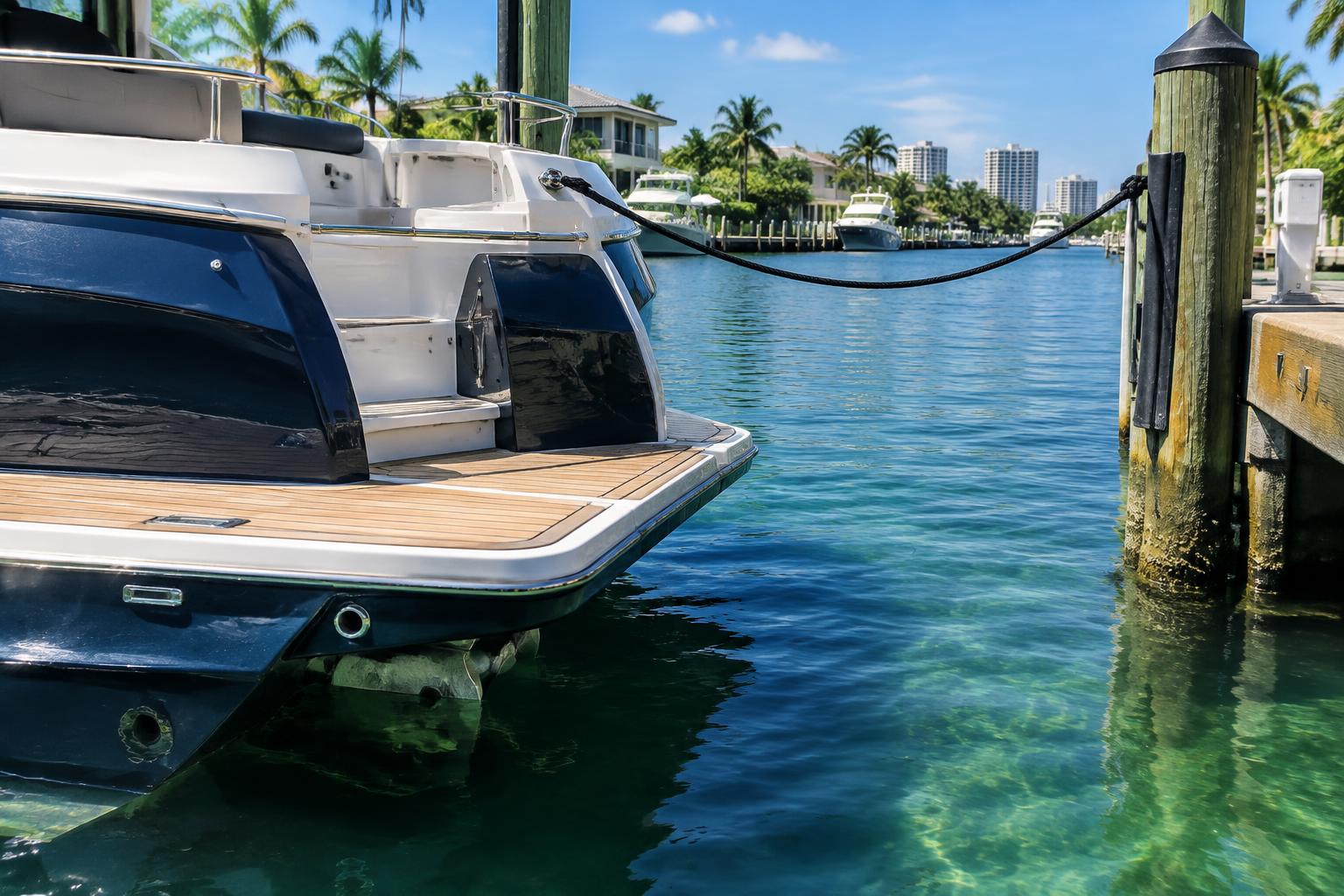
The listing says: "Ocean access." It sounds like the promise of a weekend on the reef or a quick trip to the Bahamas. But when you are looking at a property, your boat has a much more practical, stubborn question: "Can I actually use this water?"
In my experience as a Realtor here since 1995, I have seen too many buyers fall in love with a patio view, only to realize later that their deep-draft vessel is going to be sitting on the mud at low tide. As of November 2026 on our site, we are tracking 2,812 active homes in Fort Lauderdale with a median list price of $750,000. Of those, 1,182 are waterfront, commanding a median price of $1,050,000. When you pay a premium for that waterfront lifestyle, you need to be certain the infrastructure matches your gear.
Understand Your Vessel
Before you browse waterfront homes for sale in Fort Lauderdale, you need to be honest about your boat’s draft. This isn't just the number printed in the manufacturer's brochure; that is your "dry" draft. You need to calculate your "wet" draft, which includes the weight of fuel, water, gear, and passengers.
If you are buying a property, take a look at our Waterfront and Boating Tools to get a sense of how your specific beam and draft requirements align with local inventory. I always tell my clients: if you are buying a boat to fit the house, you are doing it backward. Buy the house that fits the boat you already own or the boat you realistically intend to buy.
Water Isn't Static
In South Florida, water depth is a moving target. You have tidal changes, which can swing several feet depending on the moon cycle and the specific canal. Then you have wind-driven tides and local dredging schedules. A single, casual look at the canal at high tide can be dangerously deceptive.
When I help clients conduct due diligence, we never rely on "looks." We check nautical charts, but even those can be outdated. You need to consider the depth at low tide, specifically the "mean lower low water" (MLLW) mark. If the property is in a neighborhood like Las Olas, Coral Ridge, or Rio Vista, the canal depths vary significantly. I suggest you consult our waterfront neighborhood comparison guide to understand which areas typically offer deeper water for larger yachts.
Don't Assume the Neighbor's Boat Answers the Question
It is tempting to look at the massive sport-fishing yacht docked three houses down and assume, "If it fits there, it fits here." Do not make that mistake. That neighbor might have a different hull design—perhaps a catamarans with a shallower draft, or they may simply be willing to wait for a high tide to pull in and out. They might also be paying for specialized dredging of their slip. Always verify the depth at the specific dockage of the home you are purchasing.
Investigate the Route Too
The water immediately behind the house is only the first half of the equation. You have to get from your dock to the Intracoastal Waterway or the ocean. This is where most people get caught off guard. You need to map out your route. Are there shoals at the mouth of the canal? Are there turns in the canal that are too tight for your vessel’s turning radius?
You must also account for bridge clearance. Even if your draft is fine, your mast or flybridge height is a hard limit. You can look at our advice on fixed bridges and drawbridges to understand how these structures affect your ability to move your boat freely. Never assume a bridge height listed on a chart is accurate under every condition; high water levels and vessel trim can make a "clearing" height a tight squeeze.
Ask the Right Question
Stop asking, "Is there enough water?" That is too vague. Instead, start asking, "Does this property's waterfront and intended route work for my specific vessel under the relevant conditions, including low tide and seasonal sediment buildup?"
To keep your due diligence organized, I highly recommend you download and follow our complete waterfront home due-diligence checklist. It covers the technical verification steps I have used for decades to protect my clients from buying a house that turns their boat into an expensive piece of lawn art.
Verification Checklist for Buyers
When you are serious about a property, here is your practical to-do list:
- Physical Sounding: Hire a professional to measure the depth at the dock and along the center of the canal route. Do not take the seller’s word for it.
- Review Surveys: Look at the property survey for easement lines and bulkhead locations.
- Check Maintenance History: Ask the seller if they have had the slip dredged recently. If so, ask for the permits and records.
- Permitting: Verify that the dock is permitted. In Florida, unpermitted docks can be a nightmare to insure or replace.
- Insurance Check: Speak to your marine insurance provider. They will often have specific requirements for where and how your boat is moored.
Understanding the true cost of owning a luxury home in Fort Lauderdale is vital, and that includes the maintenance of your seawall and dock. If you are new to the area, check out our relocation guide for moving to South Florida so you are prepared for the local lifestyle, including the Florida Homestead Exemption, which can help offset your carrying costs.
Whether you are looking for a deep-water estate or a modest canal home, the principle remains the same: the water is part of your property’s utility. You are buying the ability to use your boat, not just the view of the water. Take the time to get the numbers right before you commit. You can also explore homes categorized by boat size to help narrow down your search in neighborhoods that support your specific needs.
If you are thinking about selling your current waterfront home to upgrade or downsize, or if you are ready to start touring properties, I am here to help you navigate the specific demands of the Fort Lauderdale market. You can read my client reviews to see how I have helped others find the right fit for their lifestyle.
Next step: Let’s discuss your specific boat draft and preferred neighborhoods to ensure we are only looking at properties that can actually accommodate your vessel. Call me, Simon Gedz, at 954-562-1798.