
By Simon Gedz, Local Realtor
Charles Rutenberg Realty · 30+ years of South Florida market expertise · Published October 23, 2026
Originally published: Waterfront Permits: What Buyers Should Verify Before Closing
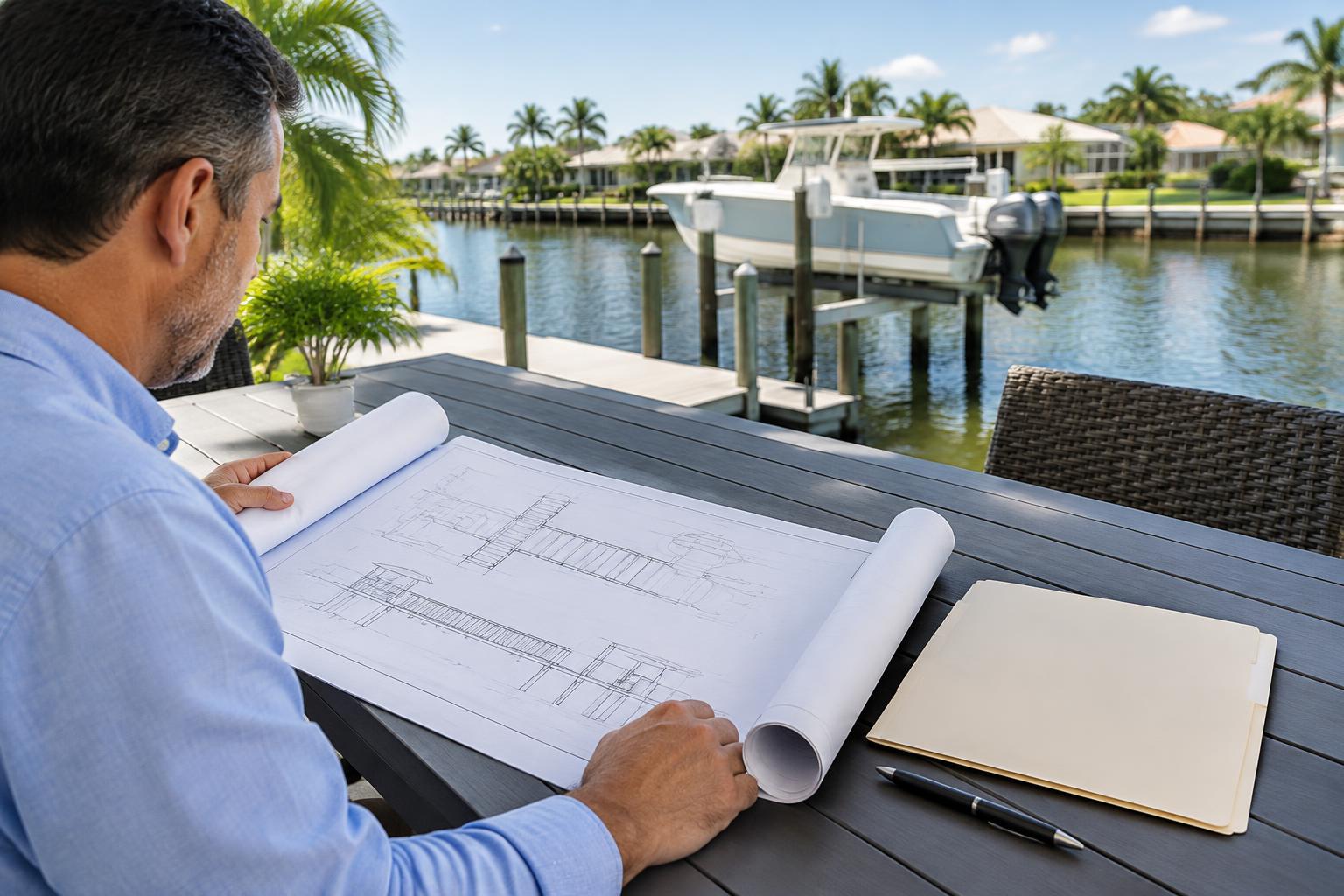
Imagine buying a waterfront property because of a particular dock, lift, or improvement that perfectly suits your boat. You envision weekends cruising the Intracoastal or heading out to the Atlantic. Then, a few weeks after closing, you receive a notice from the city or a local environmental agency questioning the legality of those structures.
That is exactly the kind of nightmare scenario that proper due diligence is designed to prevent. As of November 2026 on our site, there are 2,812 active homes in Fort Lauderdale with a median list price of $750,000, while the 1,182 waterfront properties currently listed carry a median price of $1,050,000. When you are paying that premium for waterfront access, you have to treat the dock and seawall with the same scrutiny you apply to the home's roof or foundation.
Don't Assume Existing Means Approved
I have been a Realtor since 1995, and if I have learned one thing, it is that a dock standing in the water today does not mean it was built with a permit, nor does it mean it meets current code. In many cases, I have seen sellers claim an improvement is grandfathered in, only to discover that the work was done without any municipal oversight.
In Florida, waterfront improvements—especially those affecting the canal or bay floor—often require approval from not just the city, but also the Department of Environmental Protection (DEP) or the Army Corps of Engineers. If you purchase a property with an unpermitted dock, you may become legally responsible for bringing it up to code or removing it entirely at your own expense. Never assume that because the seller’s boat has been parked there for ten years, you are in the clear.
Determine What Matters to You
Before you fall in love with a specific listing, clearly define what your waterfront needs are. Are you looking for deep-water access for a 60-foot yacht, or just a small space for a center console? You can explore our waterfront boating tools to get a better sense of how different properties align with your vessel requirements.
If your decision to buy depends on a particular waterfront feature—such as a davit, a heavy-duty lift, or specific seawall height—make the verification of its permit status a formal contingency in your offer. Do not leave it to chance. You can browse waterfront homes by boat size to ensure your initial search is focused on properties that actually meet your physical needs.
Ask for Available Documentation
When we start reviewing a property, the first step is to request the permit history. Most municipalities in South Florida have online portals where you can search by address. Look for "Closed" or "Finaled" permits. A permit that is "Open" or "Expired" is a red flag that the work was never officially signed off by a city inspector.
Beyond city records, look for structural surveys. A seawall inspection is not a standard home inspection. You need a specialist who understands the hydro-static pressure, cap integrity, and tie-back systems that define a healthy seawall. If a seller cannot produce records for a major improvement, you should factor the potential cost of retrofitting or replacing those structures into your purchase offer. If you are unfamiliar with the specific nuances of our local canals, this waterfront neighborhood comparison is a great place to start your research.
Future Plans Matter Too
Perhaps the existing dock is fine for now, but you are already dreaming of a larger deck or a covered boat slip. Before you make an offer based on those plans, you have to investigate the current zoning and environmental regulations for that specific canal.
Waterfront property is subject to strict "setbacks" and "envelope" restrictions. You may find that your lot has a maximum allowable dock length that prevents you from extending the structure, regardless of what your neighbor has. Check with the city’s building department or a marine contractor early in the process. If you are moving here from out of state, keep in mind that our coastal regulations are quite different from northern waterways. I always suggest reviewing our relocation checklist to understand how the move impacts your financial and regulatory planning.
Use Appropriate Professionals
As a Realtor, my job is to guide you through the process, but I am not a marine engineer or an attorney. If you have questions about seawall liability, riparian rights, or complex permitting issues, you need to speak with professionals who deal with the Florida Building Code and maritime law daily.
If you are buying in Fort Lauderdale, be aware that different neighborhoods have different restrictions regarding vessel size and canal depth. You should also verify if the home qualifies for certain tax benefits. I recommend reading our Florida homestead exemption guide to understand how your primary residence status might affect your tax overhead. Never base a major purchase on a "probably." If the documentation is missing or ambiguous, treat it as a potential liability.
Due Diligence Checklist for Buyers
To keep your search organized, I recommend following this basic sequence:
- Conduct a Title Search: Ensure there are no liens against the property related to code violations or unfinished permit work.
- Review the Survey: A current boundary survey will show the "mean high water line" and the location of the seawall. Compare this to the city's survey maps.
- Marine Inspection: Hire a professional who specializes in docks and seawalls to inspect the physical condition of the submerged and non-submerged structures.
- Permit Verification: Check the city's building department records for every single modification made to the exterior, especially near the water.
- HOA/Association Rules: If you are buying in a waterfront community, the Homeowners Association may have their own set of rules regarding boat lifts, dock aesthetics, or even the type of boat you are allowed to moor.
For a more detailed breakdown of what to look for, read the complete waterfront home due-diligence checklist. This will help you navigate the nuances of our local market as you look at our current waterfront inventory.
The S.G. Trust Team at Charles Rutenberg Realty is here to ensure that you know exactly what you are buying. Whether you are looking for your first Florida vacation home or a permanent residence, the goal is to enter closing with 100% confidence, not lingering questions. If you find a property you love, verify the permits, check the seawall, and make sure your dream boat will actually fit in the slip before you sign the contract.
If you are thinking about selling your current waterfront home to upgrade or downsize, or if you simply want to see our past successes, feel free to check out our reviews. Navigating the South Florida market requires someone who has been watching these canals and streets change for decades, and I am happy to share that experience with you.
Next step: Let's discuss your specific needs and current market opportunities. Call Simon Gedz today at 954-562-1798 to get started on your search or to list your home with the S.G. Trust Team.