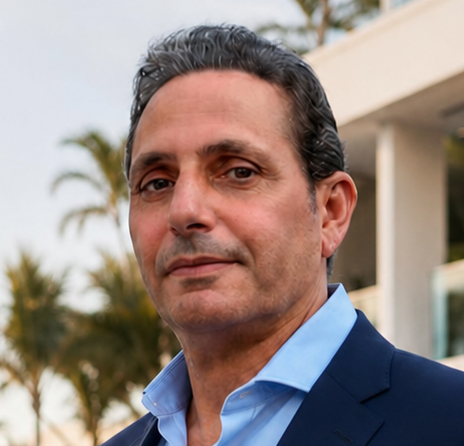

By Simon Gedz, Local Realtor
Charles Rutenberg Realty · 30+ years of South Florida market expertise · Published May 23, 2018
Originally published 2018. Reviewed and updated for 2026 — the guidance below is unchanged; market figures reflect current site data.
I have been navigating South Florida real estate since 1995. If there is one thing I have learned over three decades, it is that the market is a living, breathing entity influenced by forces far beyond our local zip codes. Back in 2018, we saw a sudden jump in mortgage interest rates that caught many buyers off guard. It was a stark reminder that what happens with consumer spending and global commodity prices will always find its way to your monthly mortgage payment.
As of November 2026 on our site, we are seeing 2,812 active homes in Fort Lauderdale with a median list price of $750,000. For those specifically hunting for a slice of our local lifestyle, there are 1,182 waterfront properties available, boasting a median waterfront price of $1,050,000. Whether you are browsing homes for sale in Fort Lauderdale or looking specifically at waterfront homes in Fort Lauderdale, the interest rate climate remains a critical factor in your financial planning.
The Mechanism of Rate Hikes
When mortgage interest rates hit a seven-year high back in 2018, the catalyst was a combination of robust consumer spending and climbing commodity prices. When the economy performs well and people spend freely, it creates inflationary pressure. The bond market, which is the primary driver of mortgage rates, typically reacts to these inflation signals by pushing yields higher.
For the everyday buyer, this translates to a direct impact on your buying power. If you are budgeting for a mortgage in our current market, keep in mind that even a slight shift in rates can change the type of home you qualify for or how much you need to set aside for your monthly payment. I always tell my clients that while you cannot control the Federal Reserve, you can control your preparedness. Before you start touring homes, you should verify your current debt-to-income ratio and ensure your credit profile is optimized for the best possible rate.
Gasoline and Inflation: A Local View
It might sound strange to look at the gas pump to predict mortgage shifts, but the connection is real. Gas prices serve as a proxy for broad energy costs, which touch almost every sector of the economy. When fuel prices rise, shipping costs increase, manufacturing becomes more expensive, and the cost of goods—inflation—creeps up.
In South Florida, we are especially sensitive to these shifts because of our reliance on transport and tourism. If you are monitoring the market, use this simple checklist to determine if you are ready to make a move:
- Pre-Approval Verification: Never rely on a pre-qualification letter alone. Get a full pre-approval from a reputable lender who understands the Florida market. Verify if they include taxes and insurance, as these are significant line items in our state.
- Neighborhood Due Diligence: Not all areas behave the same way during market shifts. Whether you are looking at neighborhoods like Victoria Park or Coral Ridge, check out my Fort Lauderdale waterfront neighborhood comparison to see where your money goes furthest.
- The Boat-Fit Check: If you are part of the 1,182 waterfront buyers, do not just look at the home; look at the dock. Use a Dock & Draft Match boat-fit search to ensure your vessel actually fits the property you are considering. You would be surprised how often buyers fall in love with a home only to realize the draft won't accommodate their boat.
- Tax Considerations: Moving here from another state? You need to understand how the Florida Homestead Exemption works. Read my Florida Homestead Exemption guide before you close, as it is a major factor in your long-term cost of ownership.
Protecting Your Purchasing Power
When rates are volatile, "waiting for the market to settle" can sometimes be a trap. History has shown that waiting often leads to paying more, either through a higher home price or a higher interest rate. If you are relocating from a high-tax state, check my guide on moving from New York to South Florida to understand the nuances of the transition.
When you are looking at properties, especially in the luxury or waterfront sector, your criteria should be specific. You can browse homes by boat size if that is your priority. Knowing exactly what you need—and what you are willing to compromise on—is what keeps a deal moving when the market gets noisy.
I have seen many buyers try to time the interest rate, but in a market like Fort Lauderdale, the inventory is the real boss. With 2,812 homes on the market as of November 2026 on our site, there is plenty to choose from, but the best properties move quickly. If you are ready to sell your home to upgrade, or if you are looking to buy, my approach is always the same: we focus on the facts and the fundamentals.
Verifying Your Strategy
If you are concerned about how current rate trends affect your specific situation, verify your numbers with a professional. Do not rely on "market sentiment" found on social media. Ask your lender: "If rates move by 0.5%, how does that change my maximum purchase price?" This simple question can save you from a lot of stress during the negotiation phase.
You can also look into the cost of living in Fort Lauderdale to ensure your monthly budget accounts for our unique local insurance and maintenance costs. Insurance, in particular, is a hot topic in Florida. Always verify the flood zone and the current wind mitigation report of any property you intend to purchase. These are not optional checks; they are the baseline of being a responsible homeowner in our region.
When you work with the S.G. Trust Team at Charles Rutenberg Realty, you get the benefit of my experience since 1995. My goal is never to push a sale; it is to ensure you are well-informed. You can read reviews from past clients to see how we handle these market shifts together.
The Bottom Line
Market cycles are inevitable. We had the seven-year high in 2018, and we continue to see fluctuations today. The best strategy remains the same as it was years ago: buy when you are financially ready, ensure you are buying the right asset for your lifestyle, and do not let temporary interest rate jitters stop you from securing a home that fits your long-term goals.
If you are feeling uncertain, that is okay. Let's look at the data together and find a path forward that makes sense for your bank account. I prefer a practical, no-nonsense approach to the process, ensuring you know exactly what you are getting into before we ever head to a closing table.
Next step: If you are ready to discuss the current inventory or need a clear strategy for your next move, please call me, Simon Gedz, at 954-562-1798. Let’s sit down and look at the numbers to see what makes the most sense for your goals.
Frequently Asked Questions
- Why did mortgage rates reach a seven-year high in early 2018?
- According to Freddie Mac, 30-year fixed rates climbed from 3.95% in January to 4.61% by May 2018. This acceleration was fueled by healthy consumer spending, higher commodity prices, and rising inflation, which spooked the bond markets.
- What is the relationship between gas prices and interest rates?
- Investopedia explains that oil prices and inflation share a cause-and-effect relationship; as oil prices rise, inflation typically follows. Because higher inflation leads to higher interest rates, rising costs at the gas pump often signal that mortgage rates are on their way up as well.
- How did 2018 mortgage rates compare to historical averages?
- While rates approached the 5% mark in 2018, they remained well below the averages seen over the previous four decades. Despite the jump, demand for buying homes remained strong in most markets during that period.