
By Simon Gedz, Local Realtor
Charles Rutenberg Realty · 30+ years of South Florida market expertise · Published November 2, 2026
Originally published: October 2026
Condos can attract investment-minded buyers because they may appear easier to manage than detached houses. The idea of a turn-key property, managed by an association, can feel like a passive way to get into the South Florida market. However, in my three decades of experience, I have learned that the analysis needs to go much deeper than a simple return-on-investment calculator.
As of November 2026 on our site, we are tracking 2812 active homes, with a median list price of $750,000. Within that subset, there are 1182 waterfront properties with a median list price of $1,050,000. While many of these are single-family homes, the condo market follows its own rhythm. Whether you are looking at Fort Lauderdale homes for sale or narrowing your search to waterfront properties in Fort Lauderdale, the fundamental due diligence remains the same. You are buying into a collective entity, and that entity can make or break your investment.
Start With the Building
When you buy a condo, you are buying more than the physical unit; you are buying into the financial and operational health of the entire building. Before you fall in love with the granite countertops, look at the reserves. Are the association’s reserves fully funded, or are they barely keeping the lights on?
In South Florida, we have seen an increased focus on structural inspections and milestone requirements. If a building is behind on its capital improvement projects, you are essentially buying a future bill. Check the minutes of the condo board meetings for the last 18 months. Are they discussing roof replacements, parking garage repairs, or elevator modernization? If these projects haven’t been paid for yet, there is a high probability of a special assessment hitting your mailbox shortly after closing.
Investigate the Rental Rules
If your strategy involves rentals, you must confirm the specific rental rules for that building. Many investors make the mistake of assuming a condo is "investor-friendly" without reading the declarations. Some buildings have waiting periods—meaning you cannot rent your unit for the first one or two years of ownership. Others have strict caps on the number of units that can be leased at any given time, which can force you onto a waiting list for years.
Furthermore, Florida condo associations are tightening rules on lease durations. Some buildings now prohibit short-term rentals (less than six months or one year), which can completely shift your cash flow model. Always ask for the most current version of the association’s governing documents. Do not rely on what a listing agent mentions in the MLS; verify the rules yourself or have your legal counsel review the documents to ensure the property aligns with your investment goals.
Review Ownership Costs
Association fees are not static; they change annually based on insurance premiums and maintenance requirements. In our region, insurance is a significant factor in condo fees. When calculating your bottom line, don’t just look at the current monthly fee. Ask the management office for a historical breakdown of fee increases over the past five years.
Assessments are the silent killers of ROI. If the building requires a large capital injection for a project—like a full exterior painting or balcony restoration—the association may levy a special assessment. I have seen owners hit with assessments ranging from $10,000 to over $100,000 depending on the building’s size and the scope of the project. If a building has an outstanding assessment, verify who is responsible for the balance at closing. It is standard for the seller to pay, but in a competitive market, you may be asked to assume the burden.
Consider the Unit
The layout and condition are important, but in a condo, the "location within the building" is often overlooked. An east-facing unit might offer morning sun, but does it face the sunrise or a noisy neighboring building? Is the unit located directly next to the service elevator or the trash chute? These small details affect tenant turnover and long-term resale value.
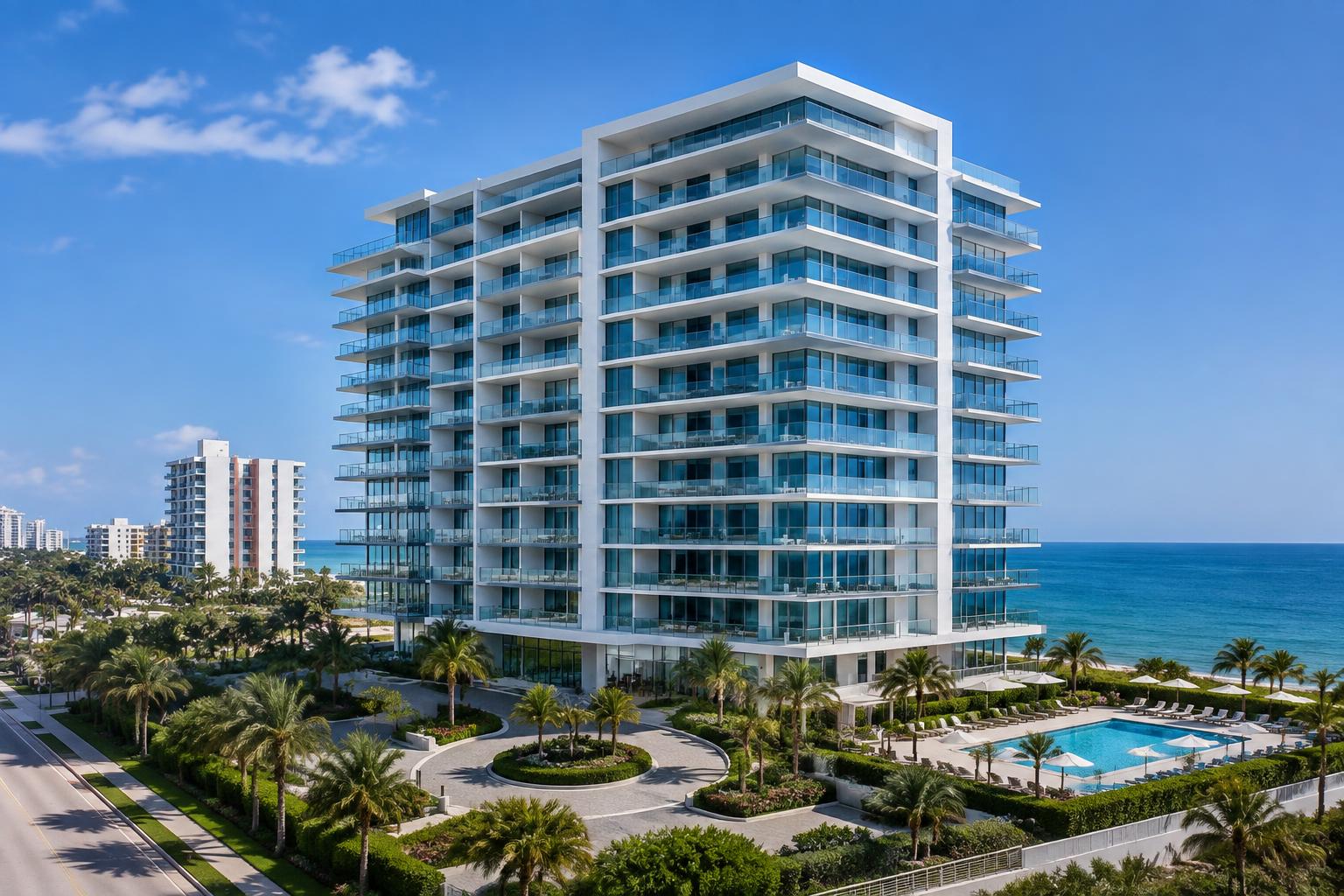
Also, think about the view. In Fort Lauderdale, a view of the Intracoastal or the ocean adds a premium, but it also carries higher exposure to the elements. Salt air is corrosive. If you are buying a waterfront condo, you must factor in higher maintenance costs for sliding doors, screens, and fixtures. For those interested in the water, I recommend using our Dock & Draft Match tool to see how specific units align with your lifestyle needs, even if you are just evaluating the building’s overall appeal to future renters or buyers.
Think About Management
If you live in New York or elsewhere outside of Florida, how will the property be managed? Investing from afar requires a local team. You need a property manager who understands local tenant laws, knows how to handle maintenance emergencies, and keeps an eye on the unit.
Managing a rental remotely is not just about collecting rent. It is about being compliant with Florida law regarding security deposits, late fees, and eviction procedures. If you don't have a reliable point of contact in South Florida, you are at a disadvantage. My team and I often help our clients understand the local landscape of property management, which is as critical as the purchase itself. You can learn more about how I help clients navigate these transitions in my guide on moving from New York to South Florida.
Don't Buy the Spreadsheet Alone
It is easy to get caught up in the numbers, but a spreadsheet won’t tell you if the building has a history of high turnover or if the neighbors are problematic. Real estate is fundamentally a human business. I always encourage my clients to visit the building at different times of the day. Is the lobby well-maintained? Are the common areas clean? Is there a sense of pride among the residents?
A well-run building has a culture. If the staff is professional and the residents are engaged, the asset is much more likely to hold its value. Conversely, if the building looks neglected or the rules are inconsistently enforced, your investment is at risk regardless of how good the numbers look on paper.
Due Diligence Checklist
Before you commit, ensure you have:
- Reviewed the last two years of board meeting minutes.
- Verified the current status of the association’s reserves.
- Confirmed the rental and pet restrictions in the Declaration of Condominium.
- Requested a copy of the most recent inspection reports or structural surveys.
- Compared the property’s overhead to similar units in different buildings within the same Fort Lauderdale neighborhood.
Understanding these factors is the difference between a successful investment and a recurring liability. It is about doing the homework before you submit that offer. My approach has always been to look at the asset from the perspective of an owner who plans to hold it for the long term. If it doesn't make sense for a five-to-ten-year hold, it rarely makes sense as a short-term play.
If you are just starting your research, you may want to review our complete guide on choosing a neighborhood or look at our waterfront home due diligence checklist. Whether you are looking for a primary residence or an income-producing asset, the strategy remains the same: gather the facts, check the reserves, and understand the rules.
If you are thinking about selling your current property to reinvest in a condo, or if you simply want to see the latest reviews from my past clients to understand how I work, I am here to help.
Next step: Let's discuss your investment goals and evaluate the current market inventory. Call me, Simon Gedz, at 954-562-1798 to get started.
